

 搜索
搜索
第2页
- 第1页
- 第2页
- 第3页
- 第4页
- 第5页
- 第6页
- 第7页
- 第8页
- 第9页
- 第10页
- 第11页
- 第12页
- 第13页
- 第14页
- 第15页
- 第16页
- 第17页
- 第18页
- 第19页
- 第20页
- 第21页
- 第22页
- 第23页
- 第24页
- 第25页
- 第26页
- 第27页
- 第28页
- 第29页
- 第30页
- 第31页
- 第32页
- 第33页
- 第34页
- 第35页
- 第36页
- 第37页
- 第38页
- 第39页
- 第40页
- 第41页
- 第42页
- 第43页
- 第44页
- 第45页
- 第46页
- 第47页
- 第48页
- 第49页
- 第50页
- 第51页
- 第52页
- 第53页
- 第54页
- 第55页
- 第56页
- 第57页
- 第58页
- 第59页
- 第60页
- 第61页
- 第62页
- 第63页
- 第64页
- 第65页
- 第66页
- 第67页
- 第68页
- 第69页
- 第70页
- 第71页
- 第72页
- 第73页
- 第74页
- 第75页
- 第76页
- 第77页
- 第78页
- 第79页
- 第80页
- 第81页
- 第82页
- 第83页
- 第84页
- 第85页
- 第86页
- 第87页
- 第88页
- 第89页
- 第90页
- 第91页
- 第92页
- 第93页
- 第94页
- 第95页
- 第96页
A 14-year-old middle school student from Zhengzhou, central China's Henan Province, built a telescope (望远镜) from waste plastic pipes (管子), parts of a drum set, and other materials. He spent just 70 yuan and could see the moon's surface (表面) clearly.
The student's name is Ma Junhe. He wanted to explore the moon from a young age. After learning about telescope construction (构造) in a physics class, he decided to make his own astronomical (天文的) telescope.
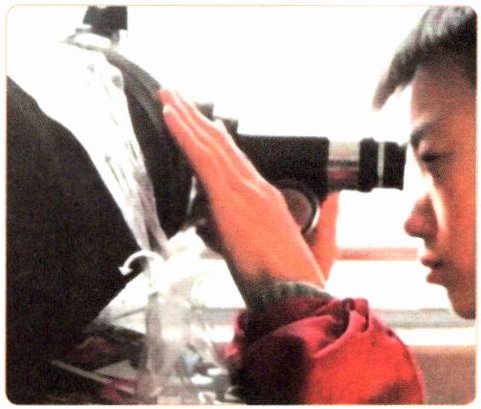
With little money, he could only buy the lenses (镜片) online. He had to use waste materials to make other parts of the telescope. For example, the telescope pipe was made from a waste plastic pipe, and the mount came from parts of his personal drum set.
After over ten failed (失败的) attempts (尝试), he succeeded (成功) in making a telescope to watch the moon. Ma said that when he saw the craters on the moon, he felt as if his dream had come true, and he now wishes to visit the moon someday.
Although Ma failed over ten times before succeeding, he still kept working, never feeling bored. "Because I'm exploring what I love," Ma said.
·题型:阅读理解
·主题:丰富自我
·语篇类型:记叙文
·词数:202
·难度:
·建议用时:7分钟
1 What made Ma Junhe build a telescope?
A. A school trip.
B. A science show.
C. A physics class.
D. A teacher's words.
2 How does the writer support his idea in Paragraph 3?
A. By showing numbers.
B. By asking a question.
C. By giving an example.
D. By telling the differences.
3 What is Ma Junhe's future wish?
A. To visit the moon.
B. To teach astronomy.
C. To become a physicist.
D. To build more telescopes.
4 What is the best title for the passage?
A. Ma Junhe does well in physics
B. Ma Junhe's interest in astronomy
C. Ma Junhe's dream to visit the moon
D. Ma Junhe builds a telescope from waste
The student's name is Ma Junhe. He wanted to explore the moon from a young age. After learning about telescope construction (构造) in a physics class, he decided to make his own astronomical (天文的) telescope.
With little money, he could only buy the lenses (镜片) online. He had to use waste materials to make other parts of the telescope. For example, the telescope pipe was made from a waste plastic pipe, and the mount came from parts of his personal drum set.
After over ten failed (失败的) attempts (尝试), he succeeded (成功) in making a telescope to watch the moon. Ma said that when he saw the craters on the moon, he felt as if his dream had come true, and he now wishes to visit the moon someday.
Although Ma failed over ten times before succeeding, he still kept working, never feeling bored. "Because I'm exploring what I love," Ma said.
·题型:阅读理解
·主题:丰富自我
·语篇类型:记叙文
·词数:202
·难度:
·建议用时:7分钟
1 What made Ma Junhe build a telescope?
A. A school trip.
B. A science show.
C. A physics class.
D. A teacher's words.
2 How does the writer support his idea in Paragraph 3?
A. By showing numbers.
B. By asking a question.
C. By giving an example.
D. By telling the differences.
3 What is Ma Junhe's future wish?
A. To visit the moon.
B. To teach astronomy.
C. To become a physicist.
D. To build more telescopes.
4 What is the best title for the passage?
A. Ma Junhe does well in physics
B. Ma Junhe's interest in astronomy
C. Ma Junhe's dream to visit the moon
D. Ma Junhe builds a telescope from waste
答案:
1. C 细节理解题。由第二段的 After learning about telescope construction in a physics class, he decided to make his own astronomical telescope. 可知,通过一堂物理课的学习,马俊鹤了解了望远镜的构造。这帮助他制作望远镜。
2. C 行文方式题。第三段首先提及资金有限,主要用废旧材料制作望远镜,然后举例说明,望远镜的镜筒是用废弃塑料管制成的……由此可知,作者通过举例支持自己的观点。
3. A 细节理解题。由第四段的 and he now wishes to visit the moon someday 可知,马俊鹤的愿望是去参观月球。
4. D 主旨大意题。本文讲述了14岁的中学生马俊鹤用废弃材料成功自制望远镜的故事。故D项最适合作标题。
2. C 行文方式题。第三段首先提及资金有限,主要用废旧材料制作望远镜,然后举例说明,望远镜的镜筒是用废弃塑料管制成的……由此可知,作者通过举例支持自己的观点。
3. A 细节理解题。由第四段的 and he now wishes to visit the moon someday 可知,马俊鹤的愿望是去参观月球。
4. D 主旨大意题。本文讲述了14岁的中学生马俊鹤用废弃材料成功自制望远镜的故事。故D项最适合作标题。
查看更多完整答案,请扫码查看

