

 搜索
搜索
第10页
- 第1页
- 第2页
- 第3页
- 第4页
- 第5页
- 第6页
- 第7页
- 第8页
- 第9页
- 第10页
- 第11页
- 第12页
- 第13页
- 第14页
- 第15页
- 第16页
- 第17页
- 第18页
- 第19页
- 第20页
- 第21页
- 第22页
- 第23页
- 第24页
- 第25页
- 第26页
- 第27页
- 第28页
- 第29页
- 第30页
- 第31页
- 第32页
- 第33页
- 第34页
- 第35页
- 第36页
- 第37页
- 第38页
- 第39页
- 第40页
- 第41页
- 第42页
- 第43页
- 第44页
- 第45页
- 第46页
- 第47页
- 第48页
- 第49页
- 第50页
- 第51页
- 第52页
- 第53页
- 第54页
- 第55页
- 第56页
- 第57页
- 第58页
- 第59页
- 第60页
- 第61页
- 第62页
- 第63页
- 第64页
- 第65页
- 第66页
- 第67页
- 第68页
- 第69页
- 第70页
- 第71页
- 第72页
- 第73页
- 第74页
- 第75页
- 第76页
- 第77页
- 第78页
- 第79页
- 第80页
- 第81页
- 第82页
- 第83页
- 第84页
- 第85页
- 第86页
- 第87页
- 第88页
- 第89页
- 第90页
- 第91页
- 第92页
- 第93页
- 第94页
- 第95页
- 第96页
H ui Ruixue doesn't go home after work. Instead, she heads to a sports center in Taiyuan to take a tennis class. "The night school program has made my dream of learning tennis come true," said the 28-year-old. She takes evening classes with five other workmates in the city.

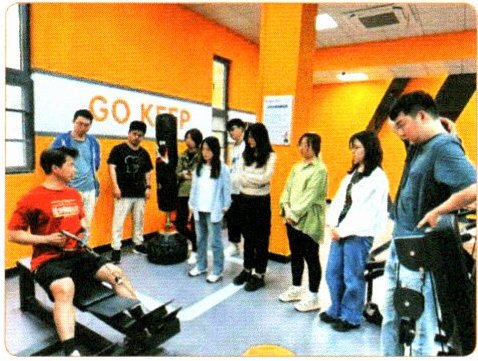
Hui said that she spent only 500 yuan on the 12 tennis classes. The classes were cheap, and they were held in the evening, when she had time to take the classes.
Night school programs are popular all over the country. At first, they appeared in big cities like Beijing, Shanghai and Wuhan. Later, ▲ .
In 2024, Jiangxi Province created 460 youth night schools. There were over 1,650 subjects for over 42,000 young people. In Yunnan Province, over 200,000 young people have taken part in night school programs since 2014.
*Night schools are not a new thing in China, but today's night schools are more focused on adults' interests and hobbies. Night school classes are cheap and interesting, said Li Jianghao, a night school teacher in Taiyuan.
Going to night school after work will become a common part of life for more young people in China.
文章音频
题型:阅读理解
主题:终身学习
语篇类型:新闻报道
词数:200
难度:
建议用时:6分钟
1 How many workmates take evening classes together including Hui Ruixue in Taiyuan?
A. Three.
B. Four.
C. Five.
D. Six.
2 Which of the following can be put in " ▲ " in Paragraph 3?
A. they moved to only a few villages
B. they came back to the starting places
C. they still stayed in the same big cities
D. they spread to many other cities and towns
3 What do today's night schools pay attention to?
A. Children's study and hobbies.
B. Adults' interests and hobbies.
C. Old people's health and happiness.
D. People's wishes for more knowledge.
4 What can we guess from the passage?
A. Some night schools will close.
B. Fewer youths like night schools.
C. More youths will go to night school.
D. Children will also go to night school.
5 How does the writer develop the passage?
A. By following the time order (顺序).
B. By guessing ideas.
C. By giving examples.
D. By expressing feelings.
Hui said that she spent only 500 yuan on the 12 tennis classes. The classes were cheap, and they were held in the evening, when she had time to take the classes.
Night school programs are popular all over the country. At first, they appeared in big cities like Beijing, Shanghai and Wuhan. Later, ▲ .
In 2024, Jiangxi Province created 460 youth night schools. There were over 1,650 subjects for over 42,000 young people. In Yunnan Province, over 200,000 young people have taken part in night school programs since 2014.
*Night schools are not a new thing in China, but today's night schools are more focused on adults' interests and hobbies. Night school classes are cheap and interesting, said Li Jianghao, a night school teacher in Taiyuan.
Going to night school after work will become a common part of life for more young people in China.
文章音频
题型:阅读理解
主题:终身学习
语篇类型:新闻报道
词数:200
难度:
建议用时:6分钟
1 How many workmates take evening classes together including Hui Ruixue in Taiyuan?
A. Three.
B. Four.
C. Five.
D. Six.
2 Which of the following can be put in " ▲ " in Paragraph 3?
A. they moved to only a few villages
B. they came back to the starting places
C. they still stayed in the same big cities
D. they spread to many other cities and towns
3 What do today's night schools pay attention to?
A. Children's study and hobbies.
B. Adults' interests and hobbies.
C. Old people's health and happiness.
D. People's wishes for more knowledge.
4 What can we guess from the passage?
A. Some night schools will close.
B. Fewer youths like night schools.
C. More youths will go to night school.
D. Children will also go to night school.
5 How does the writer develop the passage?
A. By following the time order (顺序).
B. By guessing ideas.
C. By giving examples.
D. By expressing feelings.
答案:
1.D 细节理解题。由第一段的 She takes evening classes with five other workmates in the city. 可知,包括惠瑞雪在内一共有6个同事一起上夜校。
2.D 推理判断题。本段首句提及"夜校课程在全国都很受欢迎。",且由横线的前一句"起初,它们出现在北京、上海和武汉这样的大城市。"可知,下文顺承表示:后来,推广到了许多其他城市和乡镇。
3.B 细节理解题。由第五段的...but today's night schools are more focused on adults' interests and hobbies. 可知,如今的夜校更侧重于成年人的兴趣爱好。
4.C 推理判断题。由最后一段 Going to night school after work will become a common part of life for more young people in China. 可推知,更多年轻人会去上夜校。
5.C 行文方式题。短文中列举了太原、江西和云南等地夜校的发展情况。由此可推知,作者通过举例的方式来写文章。
2.D 推理判断题。本段首句提及"夜校课程在全国都很受欢迎。",且由横线的前一句"起初,它们出现在北京、上海和武汉这样的大城市。"可知,下文顺承表示:后来,推广到了许多其他城市和乡镇。
3.B 细节理解题。由第五段的...but today's night schools are more focused on adults' interests and hobbies. 可知,如今的夜校更侧重于成年人的兴趣爱好。
4.C 推理判断题。由最后一段 Going to night school after work will become a common part of life for more young people in China. 可推知,更多年轻人会去上夜校。
5.C 行文方式题。短文中列举了太原、江西和云南等地夜校的发展情况。由此可推知,作者通过举例的方式来写文章。
查看更多完整答案,请扫码查看

