

 搜索
搜索
第82页
- 第1页
- 第2页
- 第3页
- 第4页
- 第5页
- 第6页
- 第7页
- 第8页
- 第9页
- 第10页
- 第11页
- 第12页
- 第13页
- 第14页
- 第15页
- 第16页
- 第17页
- 第18页
- 第19页
- 第20页
- 第21页
- 第22页
- 第23页
- 第24页
- 第25页
- 第26页
- 第27页
- 第28页
- 第29页
- 第30页
- 第31页
- 第32页
- 第33页
- 第34页
- 第35页
- 第36页
- 第37页
- 第38页
- 第39页
- 第40页
- 第41页
- 第42页
- 第43页
- 第44页
- 第45页
- 第46页
- 第47页
- 第48页
- 第49页
- 第50页
- 第51页
- 第52页
- 第53页
- 第54页
- 第55页
- 第56页
- 第57页
- 第58页
- 第59页
- 第60页
- 第61页
- 第62页
- 第63页
- 第64页
- 第65页
- 第66页
- 第67页
- 第68页
- 第69页
- 第70页
- 第71页
- 第72页
- 第73页
- 第74页
- 第75页
- 第76页
- 第77页
- 第78页
- 第79页
- 第80页
- 第81页
- 第82页
- 第83页
- 第84页
- 第85页
- 第86页
- 第87页
- 第88页
- 第89页
- 第90页
- 第91页
- 第92页
- 第93页
- 第94页
- 第95页
- 第96页
T hree Chinese astronauts came back to the Earth. They shared stories about their space station life. One experiment (实验) was feeding fish in weightlessness (失重).

“The zebrafish were our friends!” said astronaut Li Guangsu. On the space station, they kept four fish and green plants in a closed tank (水箱). At first, the fish didn’t move—they floated (浮) in water for days. “We thought they need time to adapt (适应),” Li said.
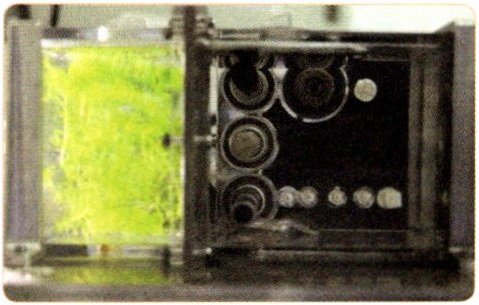
After a week, the fish became active! They swam upside down, turned, and circled. The astronauts fed them and took water samples. “Their movements looked like our first days in space—we also floated!” Li laughed.
The fish lived for 43 days—setting a record! *Chinese scientists studied how they adapted to weightlessness. The closed tank let astronauts watch quietly. No feeding mistakes and no water leaks (渗漏) happened.
“We did many experiments: fire, water, plants, and fish,” said the head astronaut Ye Guangfu. “These studies help us understand life in space.”
For the astronauts, the fish meant more than science. “They made the space station feel alive,” Li said. “We even named them secretly… but we can’t tell you the names!”
·题型:阅读理解
·主题:航天科技
·语篇类型:记叙文
·词数:198
·难度:■■■■
·建议用时:7分钟
1 How does the writer start the passage?
A. By telling a fact.
B. By making a suggestion.
C. By answering a question.
D. By introducing a person.
2 What happened to the fish during their first days in space?
A. They ate plants.
B. They seemed dead.
C. They swam actively.
D. They stayed away from the tank.
3 Why does the writer talk about “43 days” in Paragraph 4?
A. To show a new record.
B. To count feeding times.
C. To understand life in space.
D. To introduce an experiment.
4 What do you know about the astronauts’ feelings about the fish?
A. They found them boring.
B. They treated them as friends.
C. They considered them useless.
D. They felt sorry for their results.
5 What is the best title for the passage?
A. Astronauts’ life in space
B. The naming of a fish by astronauts
C. Fish living on the space station
D. Fish experiments in weightlessness
“The zebrafish were our friends!” said astronaut Li Guangsu. On the space station, they kept four fish and green plants in a closed tank (水箱). At first, the fish didn’t move—they floated (浮) in water for days. “We thought they need time to adapt (适应),” Li said.
After a week, the fish became active! They swam upside down, turned, and circled. The astronauts fed them and took water samples. “Their movements looked like our first days in space—we also floated!” Li laughed.
The fish lived for 43 days—setting a record! *Chinese scientists studied how they adapted to weightlessness. The closed tank let astronauts watch quietly. No feeding mistakes and no water leaks (渗漏) happened.
“We did many experiments: fire, water, plants, and fish,” said the head astronaut Ye Guangfu. “These studies help us understand life in space.”
For the astronauts, the fish meant more than science. “They made the space station feel alive,” Li said. “We even named them secretly… but we can’t tell you the names!”
·题型:阅读理解
·主题:航天科技
·语篇类型:记叙文
·词数:198
·难度:■■■■
·建议用时:7分钟
1 How does the writer start the passage?
A. By telling a fact.
B. By making a suggestion.
C. By answering a question.
D. By introducing a person.
2 What happened to the fish during their first days in space?
A. They ate plants.
B. They seemed dead.
C. They swam actively.
D. They stayed away from the tank.
3 Why does the writer talk about “43 days” in Paragraph 4?
A. To show a new record.
B. To count feeding times.
C. To understand life in space.
D. To introduce an experiment.
4 What do you know about the astronauts’ feelings about the fish?
A. They found them boring.
B. They treated them as friends.
C. They considered them useless.
D. They felt sorry for their results.
5 What is the best title for the passage?
A. Astronauts’ life in space
B. The naming of a fish by astronauts
C. Fish living on the space station
D. Fish experiments in weightlessness
答案:
1.A 行文方式题。由第一段第一句 Three Chinese astronauts came back to the Earth. 可知,作者以介绍事实作为本文的开头。
2.B 推理判断题。由第二段的 At first, the fish didn't move—they floated in water for days. 可知,一开始,鱼一动不动——它们在水中漂浮了好几天。故推断 B 项符合语境。
3.A 细节理解题。由第四段的 The fish lived for 43 days—setting a record! 可推知,作者谈及 43 天是为了强调这个时间创造了纪录。
4.B 推理判断题。由第二段的 The zebrafish were our friends! 和最后一段的 We even named them secretly... 可推知,中国航天员把斑马鱼当成自己的朋友。
5.D 主旨大意题。本文讲述了中国航天员返航后披露空间站斑马鱼失重实验的相关情况。由此可知,D 项最适合作标题。
2.B 推理判断题。由第二段的 At first, the fish didn't move—they floated in water for days. 可知,一开始,鱼一动不动——它们在水中漂浮了好几天。故推断 B 项符合语境。
3.A 细节理解题。由第四段的 The fish lived for 43 days—setting a record! 可推知,作者谈及 43 天是为了强调这个时间创造了纪录。
4.B 推理判断题。由第二段的 The zebrafish were our friends! 和最后一段的 We even named them secretly... 可推知,中国航天员把斑马鱼当成自己的朋友。
5.D 主旨大意题。本文讲述了中国航天员返航后披露空间站斑马鱼失重实验的相关情况。由此可知,D 项最适合作标题。
查看更多完整答案,请扫码查看

