

 搜索
搜索
第51页
- 第1页
- 第2页
- 第3页
- 第4页
- 第5页
- 第6页
- 第7页
- 第8页
- 第9页
- 第10页
- 第11页
- 第12页
- 第13页
- 第14页
- 第15页
- 第16页
- 第17页
- 第18页
- 第19页
- 第20页
- 第21页
- 第22页
- 第23页
- 第24页
- 第25页
- 第26页
- 第27页
- 第28页
- 第29页
- 第30页
- 第31页
- 第32页
- 第33页
- 第34页
- 第35页
- 第36页
- 第37页
- 第38页
- 第39页
- 第40页
- 第41页
- 第42页
- 第43页
- 第44页
- 第45页
- 第46页
- 第47页
- 第48页
- 第49页
- 第50页
- 第51页
- 第52页
- 第53页
- 第54页
- 第55页
- 第56页
- 第57页
- 第58页
- 第59页
- 第60页
- 第61页
- 第62页
- 第63页
- 第64页
- 第65页
- 第66页
- 第67页
- 第68页
- 第69页
- 第70页
- 第71页
- 第72页
- 第73页
- 第74页
- 第75页
- 第76页
- 第77页
- 第78页
- 第79页
- 第80页
- 第81页
- 第82页
- 第83页
- 第84页
- 第85页
- 第86页
- 第87页
- 第88页
- 第89页
- 第90页
- 第91页
- 第92页
- 第93页
- 第94页
- 第95页
- 第96页
L ong ago, Basque farmers had no phones and no way to share news. After pressing the apples, they would put the big wooden (木制的) presses (压榨机) on the rooftops to dry. When neighbors saw a press drying in the sun, they knew, “It’s time to drink cider (苹果酒)!” To spread the news to faraway friends, farmers hit the boards of the press with long sticks. People could hear the sound and they would come to the party.

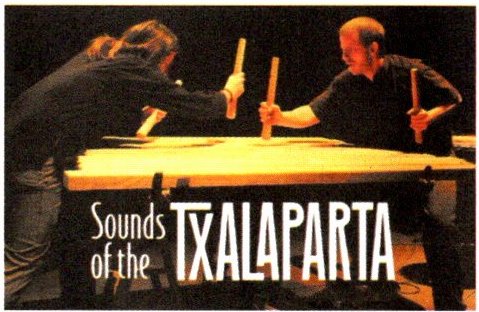
Over time, the Basque people developed games and contests. They hit the boards of the presses using power and speed. This tradition turned into a musical one. The apple press is now used as a musical instrument called the txalaparta. At first, it had two wooden boards. Now, it usually has at least three boards, which can be made of wood, stone or even metal.
The txalaparta has rules. The board should be put horizontally (水平地). Two players play the same instrument. Each uses two wooden sticks to hit the boards. They take turns and don’t play on the same beat. As the song gets faster, we can see the strong connection between the two players.
During the 1950s and 1960s, the txalaparta almost disappeared. But some musicians tried to keep it alive. At present (现在), it’s an important part of Basque culture. You can hear it at events, festivals, and sometimes at Madonna’s concerts.
文章音频
题型:阅读理解
主题:音乐文化
语篇类型:记叙文
词数:241
难度:
建议用时:8分钟
1 How did faraway friends know the party?
A. By seeing the press.
B. By tasting apple cider.
C. By getting a phone call.
D. By hearing the sound of hitting.
2 What is the main idea of Paragraph 2?
A. The history of making cider.
B. Ways of playing the txalaparta.
C. Rules of playing Basque games.
D. The txalaparta’s changing over time.
3 What do you know about txalaparta players?
A. They need good teamwork.
B. They use metal sticks only.
C. They contest for the first place.
D. They always play the same beat.
4 Where might you hear the txalaparta today?
A. On apple farms.
B. At pop concerts.
C. At sports games.
D. In school classes.
5 How does the writer develop the passage?
A. By giving examples.
B. By following the time order.
C. By answering questions.
D. By comparing two games.
Over time, the Basque people developed games and contests. They hit the boards of the presses using power and speed. This tradition turned into a musical one. The apple press is now used as a musical instrument called the txalaparta. At first, it had two wooden boards. Now, it usually has at least three boards, which can be made of wood, stone or even metal.
The txalaparta has rules. The board should be put horizontally (水平地). Two players play the same instrument. Each uses two wooden sticks to hit the boards. They take turns and don’t play on the same beat. As the song gets faster, we can see the strong connection between the two players.
During the 1950s and 1960s, the txalaparta almost disappeared. But some musicians tried to keep it alive. At present (现在), it’s an important part of Basque culture. You can hear it at events, festivals, and sometimes at Madonna’s concerts.
文章音频
题型:阅读理解
主题:音乐文化
语篇类型:记叙文
词数:241
难度:
建议用时:8分钟
1 How did faraway friends know the party?
A. By seeing the press.
B. By tasting apple cider.
C. By getting a phone call.
D. By hearing the sound of hitting.
2 What is the main idea of Paragraph 2?
A. The history of making cider.
B. Ways of playing the txalaparta.
C. Rules of playing Basque games.
D. The txalaparta’s changing over time.
3 What do you know about txalaparta players?
A. They need good teamwork.
B. They use metal sticks only.
C. They contest for the first place.
D. They always play the same beat.
4 Where might you hear the txalaparta today?
A. On apple farms.
B. At pop concerts.
C. At sports games.
D. In school classes.
5 How does the writer develop the passage?
A. By giving examples.
B. By following the time order.
C. By answering questions.
D. By comparing two games.
答案:
1 D 细节理解题。由第一段的 To spread the news to faraway friends, farmers hit the boards of the press...可知,远方的朋友可以通过听打击声知道聚会的消息。
2 D 主旨大意题。第二段提及敲击压榨机的木板逐渐演变成一种音乐形式,两块木板变成至少三块板子,且由首句 Over time, the Basque people developed games and contests. 可知,该段主要讲述了随着时间的推移,恰拉帕尔塔的变化。
3 A 推理判断题。由第三段的...we can see the strong connection between the two players. 可推知,恰拉帕尔塔演奏者需要配合。
4 B 推理判断题。由最后一段的 You can hear it at events, festivals, and sometimes at Madonna's concerts. 并结合选项可推知,你有可能在流行音乐会上听到演奏恰拉帕尔塔。
5 B 行文方式题。由第一段的 Long ago、第二段的 Over time 以及最后一段的 At present 可知,本文以时间顺序展开叙述。
2 D 主旨大意题。第二段提及敲击压榨机的木板逐渐演变成一种音乐形式,两块木板变成至少三块板子,且由首句 Over time, the Basque people developed games and contests. 可知,该段主要讲述了随着时间的推移,恰拉帕尔塔的变化。
3 A 推理判断题。由第三段的...we can see the strong connection between the two players. 可推知,恰拉帕尔塔演奏者需要配合。
4 B 推理判断题。由最后一段的 You can hear it at events, festivals, and sometimes at Madonna's concerts. 并结合选项可推知,你有可能在流行音乐会上听到演奏恰拉帕尔塔。
5 B 行文方式题。由第一段的 Long ago、第二段的 Over time 以及最后一段的 At present 可知,本文以时间顺序展开叙述。
查看更多完整答案,请扫码查看

