

 搜索
搜索
第108页
- 第1页
- 第2页
- 第3页
- 第4页
- 第5页
- 第6页
- 第7页
- 第8页
- 第9页
- 第10页
- 第11页
- 第12页
- 第13页
- 第14页
- 第15页
- 第16页
- 第17页
- 第18页
- 第19页
- 第20页
- 第21页
- 第22页
- 第23页
- 第24页
- 第25页
- 第26页
- 第27页
- 第28页
- 第29页
- 第30页
- 第31页
- 第32页
- 第33页
- 第34页
- 第35页
- 第36页
- 第37页
- 第38页
- 第39页
- 第40页
- 第41页
- 第42页
- 第43页
- 第44页
- 第45页
- 第46页
- 第47页
- 第48页
- 第49页
- 第50页
- 第51页
- 第52页
- 第53页
- 第54页
- 第55页
- 第56页
- 第57页
- 第58页
- 第59页
- 第60页
- 第61页
- 第62页
- 第63页
- 第64页
- 第65页
- 第66页
- 第67页
- 第68页
- 第69页
- 第70页
- 第71页
- 第72页
- 第73页
- 第74页
- 第75页
- 第76页
- 第77页
- 第78页
- 第79页
- 第80页
- 第81页
- 第82页
- 第83页
- 第84页
- 第85页
- 第86页
- 第87页
- 第88页
- 第89页
- 第90页
- 第91页
- 第92页
- 第93页
- 第94页
- 第95页
- 第96页
- 第97页
- 第98页
- 第99页
- 第100页
- 第101页
- 第102页
- 第103页
- 第104页
- 第105页
- 第106页
- 第107页
- 第108页
- 第109页
- 第110页
- 第111页
- 第112页
- 第113页
- 第114页
- 第115页
- 第116页
- 第117页
- 第118页
- 第119页
- 第120页
- 第121页
- 第122页
- 第123页
- 第124页
- 第125页
- 第126页
- 第127页
- 第128页
- 第129页
- 第130页
- 第131页
- 第132页
- 第133页
- 第134页
- 第135页
- 第136页
- 第137页
- 第138页
- 第139页
- 第140页
- 第141页
Hello and welcome to “Words and Their Stories”. We will research into some commonly used words and expressions. As with other languages, American English is rich in expressions that come from animals. Today we will talk about the wolf.
Wolves are important animals in the traditions and stories of America. Before the Europeans arrived at North America in the 1500s, to native(土著的) Americans, wolves often meant being brave.
However, in England, wolves are not to be trusted. Perhaps wolves attacked too many people or ate too many farm animals. Whatever the reason, wolves were killed in many places. So many died that they almost became endangered. They also became known as bad animals.
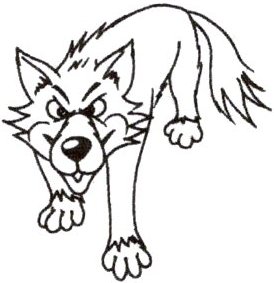
To begin with, there is an expression lone wolf. If we call somebody a lone wolf, he isn't a bad person, but he may like to do things by himself. In fact, he sometimes makes you think he doesn't want to be around people because he dislikes them.
Now, let's move on to the home. Parents tell their children not to wolf down their food. In other words, the child eats too quickly and without care. And if someone says a child was raised by wolves, that child has bad manners and is behaving like a wild animal.
A wolf call is the noise made by a man to show that he likes the way a woman looks. But a wolf call is not a nice thing. These men sound rude. And trust me, most women really hate wolf calls. So, they don't help a man in the game of love.
By the way, there is a popular expression about wolf from a very old story: A wolf in sheep's clothing. A wolf in sheep's clothing describes someone who acts and looks nice on the outside but is bad on the inside. It tells us not to be fooled by appearance.
(
A. Wolves are dangerous and should be killed in order to protect other animals.
B. Only in American English can we expect to find expressions about wolves.
C. In different areas and times, wolves make people think of different things.
D. Nobody lived in North America before the Europeans went there in the 1500s.
(
A. Help classmates to finish homework.
B. Steal money if nobody is watching.
C. Make many friends with people around.
D. Go to see a movie on his own after school.
(
A. A lone wolf.
B. Raised by wolves.
C. A wolf call.
D. A wolf in sheep's clothing.
(
A. A book for travel guide.
B. A magazine on trade and business.
C. A science report.
D. A program for English learning.
Wolves are important animals in the traditions and stories of America. Before the Europeans arrived at North America in the 1500s, to native(土著的) Americans, wolves often meant being brave.
However, in England, wolves are not to be trusted. Perhaps wolves attacked too many people or ate too many farm animals. Whatever the reason, wolves were killed in many places. So many died that they almost became endangered. They also became known as bad animals.
To begin with, there is an expression lone wolf. If we call somebody a lone wolf, he isn't a bad person, but he may like to do things by himself. In fact, he sometimes makes you think he doesn't want to be around people because he dislikes them.
Now, let's move on to the home. Parents tell their children not to wolf down their food. In other words, the child eats too quickly and without care. And if someone says a child was raised by wolves, that child has bad manners and is behaving like a wild animal.
A wolf call is the noise made by a man to show that he likes the way a woman looks. But a wolf call is not a nice thing. These men sound rude. And trust me, most women really hate wolf calls. So, they don't help a man in the game of love.
By the way, there is a popular expression about wolf from a very old story: A wolf in sheep's clothing. A wolf in sheep's clothing describes someone who acts and looks nice on the outside but is bad on the inside. It tells us not to be fooled by appearance.
(
C
)1. What can we know after reading the passage?A. Wolves are dangerous and should be killed in order to protect other animals.
B. Only in American English can we expect to find expressions about wolves.
C. In different areas and times, wolves make people think of different things.
D. Nobody lived in North America before the Europeans went there in the 1500s.
(
D
)2. If a person is called a lone wolf, which of the following things is he most likely to do?A. Help classmates to finish homework.
B. Steal money if nobody is watching.
C. Make many friends with people around.
D. Go to see a movie on his own after school.
(
B
)3. Which of the following expressions can be used on a student who often breaks school rules?A. A lone wolf.
B. Raised by wolves.
C. A wolf call.
D. A wolf in sheep's clothing.
(
D
)4. Where is it possible for us to find the passage above?A. A book for travel guide.
B. A magazine on trade and business.
C. A science report.
D. A program for English learning.
答案:
1. C 【解析】推理判断题。通读第二、三段内容可知,在欧洲人到达北美洲之前,对美国土著来说,狼是勇敢的;但在英格兰,狼是不被信任的。由此可知,在不同的地区和时代,狼会让人们想到不同的事物。
2. D 【解析】推理判断题。根据第四段第二句“If we call somebody a lone wolf,he isn't a bad person,but he may like to do things by himself.”可知,如果一个人被称为“a lone wolf”,他可能喜欢独自一人做事,D 项行为符合“a lone wolf”的特征。
3. B 【解析】推理判断题。根据第五段最后一句“And if someone says a child was raised by wolves,that child has bad manners and is behaving like a wild animal.”可知,如果有人说一个孩子是“狼抚养的”,也就是说这个孩子没有礼貌,表现得像野兽一样,由此可知,“raised by wolves”这个短语可以用在一个经常违反校规的学生身上。
4. D 【解析】文章出处题。通读全文可知,文章主要介绍了一些关于狼的英语俗语。因此,本文有可能出现在英语学习节目中。
2. D 【解析】推理判断题。根据第四段第二句“If we call somebody a lone wolf,he isn't a bad person,but he may like to do things by himself.”可知,如果一个人被称为“a lone wolf”,他可能喜欢独自一人做事,D 项行为符合“a lone wolf”的特征。
3. B 【解析】推理判断题。根据第五段最后一句“And if someone says a child was raised by wolves,that child has bad manners and is behaving like a wild animal.”可知,如果有人说一个孩子是“狼抚养的”,也就是说这个孩子没有礼貌,表现得像野兽一样,由此可知,“raised by wolves”这个短语可以用在一个经常违反校规的学生身上。
4. D 【解析】文章出处题。通读全文可知,文章主要介绍了一些关于狼的英语俗语。因此,本文有可能出现在英语学习节目中。
查看更多完整答案,请扫码查看

