

 搜索
搜索
第43页
- 第1页
- 第2页
- 第3页
- 第4页
- 第5页
- 第6页
- 第7页
- 第8页
- 第9页
- 第10页
- 第11页
- 第12页
- 第13页
- 第14页
- 第15页
- 第16页
- 第17页
- 第18页
- 第19页
- 第20页
- 第21页
- 第22页
- 第23页
- 第24页
- 第25页
- 第26页
- 第27页
- 第28页
- 第29页
- 第30页
- 第31页
- 第32页
- 第33页
- 第34页
- 第35页
- 第36页
- 第37页
- 第38页
- 第39页
- 第40页
- 第41页
- 第42页
- 第43页
- 第44页
- 第45页
- 第46页
- 第47页
- 第48页
- 第49页
- 第50页
- 第51页
- 第52页
- 第53页
- 第54页
- 第55页
- 第56页
- 第57页
- 第58页
- 第59页
- 第60页
- 第61页
- 第62页
- 第63页
- 第64页
- 第65页
- 第66页
- 第67页
- 第68页
- 第69页
- 第70页
- 第71页
- 第72页
- 第73页
- 第74页
- 第75页
- 第76页
- 第77页
- 第78页
- 第79页
- 第80页
- 第81页
- 第82页
- 第83页
- 第84页
- 第85页
- 第86页
- 第87页
- 第88页
- 第89页
- 第90页
- 第91页
- 第92页
- 第93页
- 第94页
- 第95页
- 第96页
- 第97页
- 第98页
- 第99页
- 第100页
- 第101页
- 第102页
- 第103页
- 第104页
- 第105页
- 第106页
- 第107页
- 第108页
- 第109页
- 第110页
- 第111页
- 第112页
- 第113页
- 第114页
- 第115页
- 第116页
- 第117页
- 第118页
- 第119页
- 第120页
- 第121页
- 第122页
- 第123页
- 第124页
- 第125页
- 第126页
- 第127页
- 第128页
- 第129页
- 第130页
- 第131页
- 第132页
- 第133页
- 第134页
- 第135页
- 第136页
- 第137页
- 第138页
- 第139页
- 第140页
- 第141页
- 第142页
- 第143页
- 第144页
阅读理解
Many of us have seen rainbows in the sky once the sun starts shining again after it rains. For us to see a rainbow, the conditions need to be just right. We need some water drops in the air, like rain or even fog, and we need the sun to be behind us and quite low to the ground. This is because a rainbow is created by light passing through water drops.
The light that comes from the sun seems white to us. But the white light we see is made up of a mix of different colours. When the light goes through a raindrop, these colours can separate out. Each of the colours in the rainbow has a different “wavelength(波长)”. Raindrops look like little balls. When light hits one of these little balls of water, the light can change direction. We call this “refraction(折射)”. Each of the different wavelengths is refracted differently. If the light hits the raindrop at the right place, the refraction separates the wavelengths out into their different colours.
We are taught there are seven colours: red, orange, yellow, green, blue, indigo and violet. But this isn’t exactly true. Blue and green are next to each other in the rainbow, which is why we can see turquoise(a mix of blue and green). Brown is a mix of red and green. But they aren’t next to each other in the rainbow, so we don’t see them mix to make brown.
We would never see black and white in a rainbow. Black is what we see when there’s no light at all. On the other hand, white is a mix of all the colours together. When light is refracted by raindrops, it separates the white light out, meaning it is no longer white.
1. We can see a rainbow under the right conditions because ______.
A. the raindrops are like little balls
B. the light goes through raindrops
C. the sunshine seems to be colourful
D. the weather is foggy after it rains
2. According to the passage, what can we know about the colours in the rainbow?
A. They can become brown or black.
B. There are only seven colours in all.
C. They mix to make the white light.
D. Their own places can be changed.
3. 中考新考法 推断文章出处 Which part of a magazine may this passage be taken from?
A. Science.
B. Health.
C. Culture.
D. Fashion.
4. 中考新考法 标题归纳 What’s the best title for the passage?
A. How are the colours received in the rainbow?
B. When can the colours turn blue in the rainbow?
C. Which colours aren’t covered with light in the rainbow?
D. Why can’t we find white, black and brown in the rainbow?
任务2 实验班原创 判断正(T)误(F)
1. A rainbow is created by light passing through water drops.
2. There are seven colours: red, orange, yellow, green, blue, indigo and violet in a rainbow.
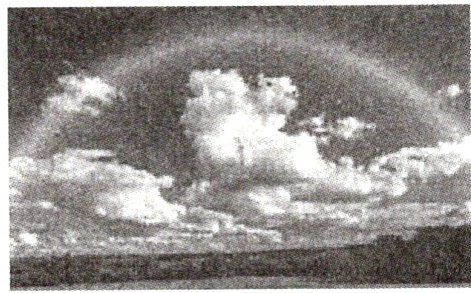
Many of us have seen rainbows in the sky once the sun starts shining again after it rains. For us to see a rainbow, the conditions need to be just right. We need some water drops in the air, like rain or even fog, and we need the sun to be behind us and quite low to the ground. This is because a rainbow is created by light passing through water drops.
The light that comes from the sun seems white to us. But the white light we see is made up of a mix of different colours. When the light goes through a raindrop, these colours can separate out. Each of the colours in the rainbow has a different “wavelength(波长)”. Raindrops look like little balls. When light hits one of these little balls of water, the light can change direction. We call this “refraction(折射)”. Each of the different wavelengths is refracted differently. If the light hits the raindrop at the right place, the refraction separates the wavelengths out into their different colours.
We are taught there are seven colours: red, orange, yellow, green, blue, indigo and violet. But this isn’t exactly true. Blue and green are next to each other in the rainbow, which is why we can see turquoise(a mix of blue and green). Brown is a mix of red and green. But they aren’t next to each other in the rainbow, so we don’t see them mix to make brown.
We would never see black and white in a rainbow. Black is what we see when there’s no light at all. On the other hand, white is a mix of all the colours together. When light is refracted by raindrops, it separates the white light out, meaning it is no longer white.
1. We can see a rainbow under the right conditions because ______.
A. the raindrops are like little balls
B. the light goes through raindrops
C. the sunshine seems to be colourful
D. the weather is foggy after it rains
2. According to the passage, what can we know about the colours in the rainbow?
A. They can become brown or black.
B. There are only seven colours in all.
C. They mix to make the white light.
D. Their own places can be changed.
3. 中考新考法 推断文章出处 Which part of a magazine may this passage be taken from?
A. Science.
B. Health.
C. Culture.
D. Fashion.
4. 中考新考法 标题归纳 What’s the best title for the passage?
A. How are the colours received in the rainbow?
B. When can the colours turn blue in the rainbow?
C. Which colours aren’t covered with light in the rainbow?
D. Why can’t we find white, black and brown in the rainbow?
任务2 实验班原创 判断正(T)误(F)
1. A rainbow is created by light passing through water drops.
2. There are seven colours: red, orange, yellow, green, blue, indigo and violet in a rainbow.
答案:
任务1:[文章大意]本文主要介绍了彩虹形成的原理,并对彩虹颜色的相关知识进行了科普。
1.B [解析]细节理解题。根据第一段中的“This is because a rainbow is created by light passing through water drops.”可知,因为光线穿过了雨滴,在合适的条件下,我们可以看到彩虹。故选B。
2.C [解析]细节理解题。根据最后一段中的“When light is refracted by raindrops, it separates the white light out, meaning it is no longer white.”(当光线被雨滴折射时,它将白光分离出去,这意味着它不再是白色的。)可知,彩虹的颜色混合在一起发出白光。故选C。
3.A [解析]推理判断题。本文主要介绍了彩虹的形成并对彩虹颜色的知识进行了科普,所以文章可能来自杂志的科学部分。故选A。
4.D [解析]标题归纳题。根据“We are taught there are seven colours: red, orange, yellow, green, blue, indigo and violet. But this isn't exactly true... But they aren't next to each other in the rainbow, so we don't see them mix to make brown.”和“We would never see black and white in a rainbow.”可知,我们在彩虹中看不见白色、黑色和棕色,所以D选项符合语境。故选D。
任务2:1.T 2.F
1.B [解析]细节理解题。根据第一段中的“This is because a rainbow is created by light passing through water drops.”可知,因为光线穿过了雨滴,在合适的条件下,我们可以看到彩虹。故选B。
2.C [解析]细节理解题。根据最后一段中的“When light is refracted by raindrops, it separates the white light out, meaning it is no longer white.”(当光线被雨滴折射时,它将白光分离出去,这意味着它不再是白色的。)可知,彩虹的颜色混合在一起发出白光。故选C。
3.A [解析]推理判断题。本文主要介绍了彩虹的形成并对彩虹颜色的知识进行了科普,所以文章可能来自杂志的科学部分。故选A。
4.D [解析]标题归纳题。根据“We are taught there are seven colours: red, orange, yellow, green, blue, indigo and violet. But this isn't exactly true... But they aren't next to each other in the rainbow, so we don't see them mix to make brown.”和“We would never see black and white in a rainbow.”可知,我们在彩虹中看不见白色、黑色和棕色,所以D选项符合语境。故选D。
任务2:1.T 2.F
查看更多完整答案,请扫码查看

