

 搜索
搜索
第34页
- 第1页
- 第2页
- 第3页
- 第4页
- 第5页
- 第6页
- 第7页
- 第8页
- 第9页
- 第10页
- 第11页
- 第12页
- 第13页
- 第14页
- 第15页
- 第16页
- 第17页
- 第18页
- 第19页
- 第20页
- 第21页
- 第22页
- 第23页
- 第24页
- 第25页
- 第26页
- 第27页
- 第28页
- 第29页
- 第30页
- 第31页
- 第32页
- 第33页
- 第34页
- 第35页
- 第36页
- 第37页
- 第38页
- 第39页
- 第40页
- 第41页
- 第42页
- 第43页
- 第44页
- 第45页
- 第46页
- 第47页
- 第48页
- 第49页
- 第50页
- 第51页
- 第52页
- 第53页
- 第54页
- 第55页
- 第56页
- 第57页
- 第58页
- 第59页
- 第60页
- 第61页
- 第62页
- 第63页
- 第64页
- 第65页
- 第66页
- 第67页
- 第68页
- 第69页
- 第70页
- 第71页
- 第72页
- 第73页
- 第74页
- 第75页
- 第76页
- 第77页
- 第78页
- 第79页
- 第80页
- 第81页
- 第82页
- 第83页
- 第84页
- 第85页
- 第86页
- 第87页
- 第88页
- 第89页
- 第90页
- 第91页
- 第92页
- 第93页
- 第94页
- 第95页
- 第96页
- 第97页
- 第98页
- 第99页
- 第100页
- 第101页
- 第102页
- 第103页
- 第104页
- 第105页
- 第106页
- 第107页
- 第108页
- 第109页
- 第110页
- 第111页
- 第112页
- 第113页
- 第114页
- 第115页
- 第116页
- 第117页
- 第118页
- 第119页
- 第120页
- 第121页
- 第122页
- 第123页
- 第124页
- 第125页
- 第126页
- 第127页
- 第128页
- 第129页
- 第130页
- 第131页
- 第132页
- 第133页
- 第134页
- 第135页
- 第136页
- 第137页
- 第138页
- 第139页
- 第140页
- 第141页
- 第142页
- 第143页
- 第144页
Ⅵ. (2025·盐城亭湖区期中)首字母填空
你知道彩虹有多少种颜色吗?你在大自然的其他地方发现过这些颜色吗?阅读下面短文,我们一起来看看几位小朋友是如何在森林里找到彩虹颜色的吧!
The children had a great experience yesterday. Eric and his partners were 1. r____ to find the colours of the rainbow in the woods by their Biology teacher. And they were also asked to draw the colours on paper.
Eric looked 2. a____. Some of the colours were easy to find. The grass was green. The soil was brown. And the autumn 3. l____ were orange, yellow and red. These were the 4. c____ colours in the nature. But where were they going to find purple and blue? After a while, they still made no 5. p____. They felt stressed and the teacher 6. e____ them to keep looking patiently.
7. S____ his partners became impatient and wanted to stop, Eric made a decision that he would go further alone to find other colours. Suddenly, he found a clear 8. r____. The sky was blue and the sky was reflected(反射) in the water! He found the colour blue! Eric was 9. e____. He continued his task. Luckily, he found a beautiful purple butterfly.
Eric was the first one to find all the colours. The teacher spoke 10. h____ of Eric’s perseverance(坚持). And the praise made Eric feel confident and proud.
The experience reminds Eric that if he keeps working and be careful enough, he will certainly find the colours of the rainbow in the woods.
你知道彩虹有多少种颜色吗?你在大自然的其他地方发现过这些颜色吗?阅读下面短文,我们一起来看看几位小朋友是如何在森林里找到彩虹颜色的吧!
The children had a great experience yesterday. Eric and his partners were 1. r____ to find the colours of the rainbow in the woods by their Biology teacher. And they were also asked to draw the colours on paper.
Eric looked 2. a____. Some of the colours were easy to find. The grass was green. The soil was brown. And the autumn 3. l____ were orange, yellow and red. These were the 4. c____ colours in the nature. But where were they going to find purple and blue? After a while, they still made no 5. p____. They felt stressed and the teacher 6. e____ them to keep looking patiently.
7. S____ his partners became impatient and wanted to stop, Eric made a decision that he would go further alone to find other colours. Suddenly, he found a clear 8. r____. The sky was blue and the sky was reflected(反射) in the water! He found the colour blue! Eric was 9. e____. He continued his task. Luckily, he found a beautiful purple butterfly.
Eric was the first one to find all the colours. The teacher spoke 10. h____ of Eric’s perseverance(坚持). And the praise made Eric feel confident and proud.
The experience reminds Eric that if he keeps working and be careful enough, he will certainly find the colours of the rainbow in the woods.
答案:
1. required 2. around 3. leaves 4. common 5. progress 6. encouraged 7. Since 8. river 9. excited 10. highly
Ⅶ. 新素材有关内向的错误观念 (2025·扬州江都区期中)
阅读理解
你对内向、外向的认识正确吗?阅读下面的短文,让我们一起纠正有关内、外向的错误观念吧!
精题详解
Introverts are often thought as shy and weak in social settings. However, these stereotypes(刻板印象) fail to get the strengths of introversion. Moreover, people’s ideas of introversion and extroversion are quite different across cultures.
A study in 2005 analyzed Big Five personalities across 51 cultures and found great differences in extraversion and introversion scores. For example, Latin American countries scored high on Extraversion, while East Asian countries scored low. Because in countries like the United States and the UK, extroversion is often welcomed. In contrast, some East Asian cultures, such as Japan and China, value qualities related to introversion, like modesty.
Different from the stereotype, research suggests they have unique skills and strengths. Introverts’ deep thinking and focus can make their work more effective. The Harvard Grant Study shows that introverts are more likely to have fewer but deeper and more meaningful relationships.
It’s often said that introverts do not make good leaders. However, studies show that introverted leaders can be just as excellent as their extroverted leaders. Introverts often do well in leadership roles that require careful listening, thoughtful decision-making. They encourage team members to take an active part in activities and often create a friendly environment to work closely with others.
It’s important to tell the differences between introversion and shyness. Shyness is a fear of social activities, while introversion refers to how one recharges(休整)—by spending some time alone rather than having social interaction. Introverts can be highly social, especially in small talks. And this makes them form deep, lasting relationships.
Their talents, though different from extroverts, introverts have “super powers” that is helpful to the society, workplaces, and communities. So, the next time you meet an introvert, remember that behind their quiet behaviours, there may be a world of deep thoughts, and powerful leadership abilities.
1. People from ____ may score lower on Extraversion.
A. China
B. the USA
C. Germany
D. the UK
2. We can infer from Paragraphs 3&4 that introverts ____.
A. are afraid of social activities
B. can’t be effective on their work
C. are good at listening and thinking
D. have difficulty working closely with people
3. 中考新考法推断代词指代 What does the underlined word “this” refer to in Paragraph 5?
A. Staying alone.
B. Having social interaction.
C. Recharging.
D. Having small talks.
4. 中考新考法推断作者写作意图 What is the writer’s main purpose of writing the passage?
A. To encourage people to become introverts.
B. To remind us to have a proper opinion about introverts.
C. To prove that introverts can do better than extroverts.
D. Tell the differences between introverts and extroverts.
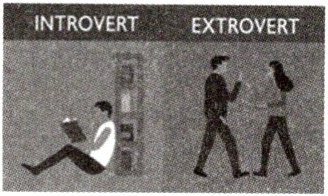
阅读理解
你对内向、外向的认识正确吗?阅读下面的短文,让我们一起纠正有关内、外向的错误观念吧!
精题详解
Introverts are often thought as shy and weak in social settings. However, these stereotypes(刻板印象) fail to get the strengths of introversion. Moreover, people’s ideas of introversion and extroversion are quite different across cultures.
A study in 2005 analyzed Big Five personalities across 51 cultures and found great differences in extraversion and introversion scores. For example, Latin American countries scored high on Extraversion, while East Asian countries scored low. Because in countries like the United States and the UK, extroversion is often welcomed. In contrast, some East Asian cultures, such as Japan and China, value qualities related to introversion, like modesty.
Different from the stereotype, research suggests they have unique skills and strengths. Introverts’ deep thinking and focus can make their work more effective. The Harvard Grant Study shows that introverts are more likely to have fewer but deeper and more meaningful relationships.
It’s often said that introverts do not make good leaders. However, studies show that introverted leaders can be just as excellent as their extroverted leaders. Introverts often do well in leadership roles that require careful listening, thoughtful decision-making. They encourage team members to take an active part in activities and often create a friendly environment to work closely with others.
It’s important to tell the differences between introversion and shyness. Shyness is a fear of social activities, while introversion refers to how one recharges(休整)—by spending some time alone rather than having social interaction. Introverts can be highly social, especially in small talks. And this makes them form deep, lasting relationships.
Their talents, though different from extroverts, introverts have “super powers” that is helpful to the society, workplaces, and communities. So, the next time you meet an introvert, remember that behind their quiet behaviours, there may be a world of deep thoughts, and powerful leadership abilities.
1. People from ____ may score lower on Extraversion.
A. China
B. the USA
C. Germany
D. the UK
2. We can infer from Paragraphs 3&4 that introverts ____.
A. are afraid of social activities
B. can’t be effective on their work
C. are good at listening and thinking
D. have difficulty working closely with people
3. 中考新考法推断代词指代 What does the underlined word “this” refer to in Paragraph 5?
A. Staying alone.
B. Having social interaction.
C. Recharging.
D. Having small talks.
4. 中考新考法推断作者写作意图 What is the writer’s main purpose of writing the passage?
A. To encourage people to become introverts.
B. To remind us to have a proper opinion about introverts.
C. To prove that introverts can do better than extroverts.
D. Tell the differences between introverts and extroverts.
答案:
1. A [解析]细节理解题。根据第二段中的“In contrast, some East Asian cultures, such as Japan and China, value qualities related to introversion, like modesty.”可知,日本和中国等一些东亚文化则重视与内向相关的品质,例如谦虚。因此,中国人在外向得分上可能会低。故选A。
2. C [解析]推理判断题。根据第四段中的“Introverts often do well in leadership roles that require careful listening, thoughtful decision-making.”可知,内向的人通常能够在需要仔细倾听、深思熟虑的决策的领导角色中表现出色。故选C。
3. D [解析]代词指代题。根据倒数第二段中的“Introverts can be highly social, especially in small talks. And this makes them form deep, lasting relationships.”可知,内向的人擅长社交,尤其是在闲聊时。这使他们建立了深厚、持久的关系。因此this指代上文的“进行闲聊”。故选D。
4. B [解析]推理判断题。根据全文内容可知,本文主要纠正关于内向的错误观念,提醒人们正确对待内向。故选B。
2. C [解析]推理判断题。根据第四段中的“Introverts often do well in leadership roles that require careful listening, thoughtful decision-making.”可知,内向的人通常能够在需要仔细倾听、深思熟虑的决策的领导角色中表现出色。故选C。
3. D [解析]代词指代题。根据倒数第二段中的“Introverts can be highly social, especially in small talks. And this makes them form deep, lasting relationships.”可知,内向的人擅长社交,尤其是在闲聊时。这使他们建立了深厚、持久的关系。因此this指代上文的“进行闲聊”。故选D。
4. B [解析]推理判断题。根据全文内容可知,本文主要纠正关于内向的错误观念,提醒人们正确对待内向。故选B。
查看更多完整答案,请扫码查看

