

 搜索
搜索
2024年全科王同步课时练习九年级英语全一册人教版
注:目前有些书本章节名称可能整理的还不是很完善,但都是按照顺序排列的,请同学们按照顺序仔细查找。练习册 2024年全科王同步课时练习九年级英语全一册人教版 答案主要是用来给同学们做完题方便对答案用的,请勿直接抄袭。
第50页
- 第1页
- 第2页
- 第3页
- 第4页
- 第5页
- 第6页
- 第7页
- 第8页
- 第9页
- 第10页
- 第11页
- 第12页
- 第13页
- 第14页
- 第15页
- 第16页
- 第17页
- 第18页
- 第19页
- 第20页
- 第21页
- 第22页
- 第23页
- 第24页
- 第25页
- 第26页
- 第27页
- 第28页
- 第29页
- 第30页
- 第31页
- 第32页
- 第33页
- 第34页
- 第35页
- 第36页
- 第37页
- 第38页
- 第39页
- 第40页
- 第41页
- 第42页
- 第43页
- 第44页
- 第45页
- 第46页
- 第47页
- 第48页
- 第49页
- 第50页
- 第51页
- 第52页
- 第53页
- 第54页
- 第55页
- 第56页
- 第57页
- 第58页
- 第59页
- 第60页
- 第61页
- 第62页
- 第63页
- 第64页
- 第65页
- 第66页
- 第67页
- 第68页
- 第69页
- 第70页
- 第71页
- 第72页
- 第73页
- 第74页
- 第75页
- 第76页
- 第77页
- 第78页
- 第79页
- 第80页
- 第81页
- 第82页
- 第83页
- 第84页
- 第85页
- 第86页
- 第87页
- 第88页
- 第89页
- 第90页
- 第91页
- 第92页
- 第93页
- 第94页
- 第95页
- 第96页
- 第97页
- 第98页
- 第99页
- 第100页
- 第101页
- 第102页
- 第103页
- 第104页
- 第105页
- 第106页
- 第107页
- 第108页
- 第109页
- 第110页
- 第111页
- 第112页
- 第113页
- 第114页
- 第115页
- 第116页
- 第117页
- 第118页
- 第119页
- 第120页
- 第121页
- 第122页
- 第123页
- 第124页
VI.完形填空
(核心素养题)Paper cutting is a cultural tradition in China. For centuries, it has been passed down from one generation to the next, especially from mothers to daughters. This beautiful art is used to decorate doors, windows, and beds in people's homes, or at celebrations such as birthdays and New Year.
The two main skills used are cutting the paper using a knife or scissors, or tearing(撕) it by hand. If the paper is cut, the edges are very smooth. Paper cutting can produce very fine work. This type of work is typical of southern China. If the paper is torn by hand, the edges are more simple and natural. Tearing is used more in northeastern China. And different parts of China have their own motifs or pictures. These motifs can express many stories and ideas.
It can be hard to hold on to traditions like these because young people don't know much about traditional art. The experts are getting older. If young people don't learn the traditions, they won't be able to pass them down to their own children. But recently there is a change. There are more shows of traditional art. Artists are going into schools to teach children how to do paper cutting. Children enjoy working together with artists and talking to them about the meaning of their art. In this way, they are becoming proud of their culture and traditions.
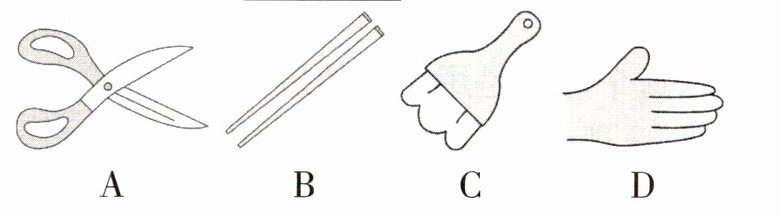
(26)(新考向)In northeastern China, most people are used to using________to do paper cutting.
(27)The underlined word “motifs" in Paragraph 2 is closest in meaning to “________”.
A. skills
B. habits
C. reasons
D. subjects
(28)What is the writer's opinion on paper cutting?
A. This form of art will disappear in the future.
B. It is easy to pass down paper cutting.
C. It will continue in China for future generations.
D. It is only passed down from mothers to sons.
(29)From the passage we know that________.
A. girls were not allowed to learn paper cutting in the past
B. artists are going into schools to save the art of paper cutting
C. paper cutting has been passed down for thousands of years
D. Children don't enjoy doing paper cutting together with artists
(30)What is the passage mainly about?
A. Chinese paper cutting art.
B. Famous Chinese artists.
C. Main traditions in China.
D. Great changes in China.
(核心素养题)Paper cutting is a cultural tradition in China. For centuries, it has been passed down from one generation to the next, especially from mothers to daughters. This beautiful art is used to decorate doors, windows, and beds in people's homes, or at celebrations such as birthdays and New Year.
The two main skills used are cutting the paper using a knife or scissors, or tearing(撕) it by hand. If the paper is cut, the edges are very smooth. Paper cutting can produce very fine work. This type of work is typical of southern China. If the paper is torn by hand, the edges are more simple and natural. Tearing is used more in northeastern China. And different parts of China have their own motifs or pictures. These motifs can express many stories and ideas.
It can be hard to hold on to traditions like these because young people don't know much about traditional art. The experts are getting older. If young people don't learn the traditions, they won't be able to pass them down to their own children. But recently there is a change. There are more shows of traditional art. Artists are going into schools to teach children how to do paper cutting. Children enjoy working together with artists and talking to them about the meaning of their art. In this way, they are becoming proud of their culture and traditions.
(26)(新考向)In northeastern China, most people are used to using________to do paper cutting.
(27)The underlined word “motifs" in Paragraph 2 is closest in meaning to “________”.
A. skills
B. habits
C. reasons
D. subjects
(28)What is the writer's opinion on paper cutting?
A. This form of art will disappear in the future.
B. It is easy to pass down paper cutting.
C. It will continue in China for future generations.
D. It is only passed down from mothers to sons.
(29)From the passage we know that________.
A. girls were not allowed to learn paper cutting in the past
B. artists are going into schools to save the art of paper cutting
C. paper cutting has been passed down for thousands of years
D. Children don't enjoy doing paper cutting together with artists
(30)What is the passage mainly about?
A. Chinese paper cutting art.
B. Famous Chinese artists.
C. Main traditions in China.
D. Great changes in China.
答案:
26. D [提示:细节理解题。根据第二段中的“People there use their hands more. The edges are more simple and natural.”可知,在中国的东北地区,人们做剪纸的时候习惯用撕的方式,即“用手”,故答案为D。]
27. D [提示:词义猜测题。画线的词是motifs,根据上下文可知,在中国的不同地方,剪纸有自己的“主题”或图画,四个选项中,subjects有“主题”之意,故选D。]
28. C [提示:推理判断题。根据最后一段的描述可推断,剪纸艺术将在中国的后代中继续传承下去,故选C。]
29. B [提示:推理判断题。根据最后一段中的“Artists are going into schools to teach children how to do paper cutting.”可知,艺术家们进入学校教孩子们如何剪纸,由此可推断,他们进入学校是为了拯救剪纸艺术,故选B。]
30. A [提示:主旨大意题。通读全文可知,本文介绍了中国的剪纸艺术,故选A。]
27. D [提示:词义猜测题。画线的词是motifs,根据上下文可知,在中国的不同地方,剪纸有自己的“主题”或图画,四个选项中,subjects有“主题”之意,故选D。]
28. C [提示:推理判断题。根据最后一段的描述可推断,剪纸艺术将在中国的后代中继续传承下去,故选C。]
29. B [提示:推理判断题。根据最后一段中的“Artists are going into schools to teach children how to do paper cutting.”可知,艺术家们进入学校教孩子们如何剪纸,由此可推断,他们进入学校是为了拯救剪纸艺术,故选B。]
30. A [提示:主旨大意题。通读全文可知,本文介绍了中国的剪纸艺术,故选A。]
VII.单项填空
(31)(跨学科试题)(2023.天津中考)People all over the world love pandas, and the panda has become a ________ of China.
A. festival
B. poem
C. guest
D. symbol
(31)(跨学科试题)(2023.天津中考)People all over the world love pandas, and the panda has become a ________ of China.
A. festival
B. poem
C. guest
D. symbol
答案:
31. D [提示:考查名词辨析。festival节日;poem诗歌;guest宾客;symbol象征。根据本题语境可知,熊猫是中国的“象征”,symbol符合题意,故选D。]
(32)(核心素养题)(2023:新疆生产建设兵团中考)Siheyuan is a kind of ________ building around China with a history of more than 3,000 years.
A. central
B. traditional
C. musical
D. national
A. central
B. traditional
C. musical
D. national
答案:
32. B [提示:考查形容词辨析。central中心的;traditional传统的;musical音乐的;national国家的。根据上下文可知,四合院是中国的一种传统建筑,traditional符合题意,故选B。]
(33)(新情境)(2023.鄂州中考)−How do you usually go to Wuhan from here?
−By high - speed train. It ________ me only 20 minutes to get there.
A. spends
B. pays
C. costs
D. takes
−By high - speed train. It ________ me only 20 minutes to get there.
A. spends
B. pays
C. costs
D. takes
答案:
33. D [提示:考查动词辨析。题干中提到了“我只花20分钟到那里。”,根据It takes sb. some time to do sth.的句式结构可知,所缺的词是takes,故选D。]
(34)(2023.鄂州中考)−What language ________ in Germany?
−Most people speak German, but many can speak English, too.
A. speak
B. is spoken
C. is speaking
D. speaks
−Most people speak German, but many can speak English, too.
A. speak
B. is spoken
C. is speaking
D. speaks
答案:
34. B [提示:考查一般现在时的被动语态。language和speak之间是被动关系,根据一般现在时的时态可知,故选B。]
(35)(2023.营口中考)It is necessary to ask your parents or teachers for some advice ________ you make the final decision.
A. because
B. unless
C. before
D. after
A. because
B. unless
C. before
D. after
答案:
35. C [提示:考查连词辨析。根据本题语境可知,在做最终决定之前,向你的父母或老师征求建议是有必要的。before是连词,意为“在……之前”,符合题意,故选C。]
查看更多完整答案,请扫码查看

