

 搜索
搜索
第48页
- 第1页
- 第2页
- 第3页
- 第4页
- 第5页
- 第6页
- 第7页
- 第8页
- 第9页
- 第10页
- 第11页
- 第12页
- 第13页
- 第14页
- 第15页
- 第16页
- 第17页
- 第18页
- 第19页
- 第20页
- 第21页
- 第22页
- 第23页
- 第24页
- 第25页
- 第26页
- 第27页
- 第28页
- 第29页
- 第30页
- 第31页
- 第32页
- 第33页
- 第34页
- 第35页
- 第36页
- 第37页
- 第38页
- 第39页
- 第40页
- 第41页
- 第42页
- 第43页
- 第44页
- 第45页
- 第46页
- 第47页
- 第48页
- 第49页
- 第50页
- 第51页
- 第52页
- 第53页
- 第54页
- 第55页
- 第56页
- 第57页
- 第58页
- 第59页
- 第60页
- 第61页
- 第62页
- 第63页
- 第64页
- 第65页
- 第66页
- 第67页
- 第68页
- 第69页
- 第70页
- 第71页
- 第72页
- 第73页
- 第74页
- 第75页
- 第76页
- 第77页
- 第78页
- 第79页
- 第80页
- 第81页
- 第82页
- 第83页
- 第84页
- 第85页
- 第86页
- 第87页
- 第88页
- 第89页
- 第90页
- 第91页
- 第92页
- 第93页
- 第94页
- 第95页
- 第96页
- 第97页
- 第98页
- 第99页
- 第100页
三、[2025 杭州余杭区期末] 阅读理解
主题:人与自然——环境保护 学科素养:语言能力 词数:约 220 建议用时:5 分钟
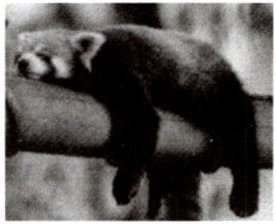
① Sleep for humans almost always means there is a bed or a mat near here. Animals, however, have many different ways of sleeping.
② For warmth, some animals sleep in groups, such as lions, monkeys, penguins and so on. Elephants also sleep in a group, but they sleep in groups for protection. The larger elephants make a circle around the younger elephants. The larger elephants sleep standing up, while the younger ones lie down to sleep.
③ Some animals sleep in trees. Birds will lock their feet onto a tree to keep from falling out of the tree. Other animals, like squirrels, make nests* in the trees to sleep in.
④ Most animals look for dry places to sleep. However, ducks often sleep in water. They hold hands when they sleep in groups to keep from floating away.
⑤ Most animals lie down to sleep. However, some large animals, like horses, can sleep standing up. The flamingo sleeps standing on just one leg.
⑥ Most animals sleep at night, but some animals are nocturnal. Nocturnal animals sleep in the daytime. Bats and owls are nocturnal animals. They wake up when the sun goes down.
⑦ Animals sleep in many different ways. But, just like humans, every animal must sleep.
*nest: a place where birds can live
(
A. They sleep in groups for fun. B. They sleep in groups for food.
C. They sleep in groups for warmth. D. They sleep in groups for protection.
(
A. Active at night. B. With eyes wide open.
C. Sleep at night. D. Sleep standing up.
(

(
A. Animals sleep at different times of night. B. Animals sleep in many different places.
C. Animals' sleeping hours are different. D. Animals sleep in many different ways.
主题:人与自然——环境保护 学科素养:语言能力 词数:约 220 建议用时:5 分钟
① Sleep for humans almost always means there is a bed or a mat near here. Animals, however, have many different ways of sleeping.
② For warmth, some animals sleep in groups, such as lions, monkeys, penguins and so on. Elephants also sleep in a group, but they sleep in groups for protection. The larger elephants make a circle around the younger elephants. The larger elephants sleep standing up, while the younger ones lie down to sleep.
③ Some animals sleep in trees. Birds will lock their feet onto a tree to keep from falling out of the tree. Other animals, like squirrels, make nests* in the trees to sleep in.
④ Most animals look for dry places to sleep. However, ducks often sleep in water. They hold hands when they sleep in groups to keep from floating away.
⑤ Most animals lie down to sleep. However, some large animals, like horses, can sleep standing up. The flamingo sleeps standing on just one leg.
⑥ Most animals sleep at night, but some animals are nocturnal. Nocturnal animals sleep in the daytime. Bats and owls are nocturnal animals. They wake up when the sun goes down.
⑦ Animals sleep in many different ways. But, just like humans, every animal must sleep.
*nest: a place where birds can live
(
D
) 16. Why do elephants sleep in groups according to the passage?A. They sleep in groups for fun. B. They sleep in groups for food.
C. They sleep in groups for warmth. D. They sleep in groups for protection.
(
A
) 17. What does the word "nocturnal" in Paragraph 6 probably mean?A. Active at night. B. With eyes wide open.
C. Sleep at night. D. Sleep standing up.
(
B
) 18. 新考法·篇章结构 Which of the following shows the structure (结构) of the passage?(
D
) 19. What is the main idea of the passage?A. Animals sleep at different times of night. B. Animals sleep in many different places.
C. Animals' sleeping hours are different. D. Animals sleep in many different ways.
答案:
【主旨大意】本文主要介绍了不同的动物有不同的睡觉方式及其原因。
16. D【点拨】细节理解题。根据“Elephants also sleep in a group, but they sleep in groups for protection.”可知,大象聚在一起睡觉是为了寻求保护。故选 D。
17. A【点拨】词义猜测题。根据“Nocturnal animals sleep in the daytime. Bats and owls are nocturnal animals. They wake up when the sun goes down.”可知,这类动物白天睡觉,晚上活跃,可推测出“nocturnal”意为“夜间活动的”,与“active at night”意思相近。故选 A。
18. B【点拨】篇章结构题。通读全文可知,第一段提出了文章的主题,不同的动物有不同的睡觉方式;第二至六段分别举例说明不同的动物有不同的睡觉方式及其原因;最后一段总结全文。故选 B。
19. D【点拨】主旨大意题。根据“Animals, however, have many different ways of sleeping.”以及通读全文可知,本文主要介绍了不同的动物有不同的睡觉方式。故选 D。
16. D【点拨】细节理解题。根据“Elephants also sleep in a group, but they sleep in groups for protection.”可知,大象聚在一起睡觉是为了寻求保护。故选 D。
17. A【点拨】词义猜测题。根据“Nocturnal animals sleep in the daytime. Bats and owls are nocturnal animals. They wake up when the sun goes down.”可知,这类动物白天睡觉,晚上活跃,可推测出“nocturnal”意为“夜间活动的”,与“active at night”意思相近。故选 A。
18. B【点拨】篇章结构题。通读全文可知,第一段提出了文章的主题,不同的动物有不同的睡觉方式;第二至六段分别举例说明不同的动物有不同的睡觉方式及其原因;最后一段总结全文。故选 B。
19. D【点拨】主旨大意题。根据“Animals, however, have many different ways of sleeping.”以及通读全文可知,本文主要介绍了不同的动物有不同的睡觉方式。故选 D。
查看更多完整答案,请扫码查看

