

 搜索
搜索
2025年一遍过初中英语九年级全一册冀教版
注:目前有些书本章节名称可能整理的还不是很完善,但都是按照顺序排列的,请同学们按照顺序仔细查找。练习册 2025年一遍过初中英语九年级全一册冀教版 答案主要是用来给同学们做完题方便对答案用的,请勿直接抄袭。
第124页
- 第1页
- 第2页
- 第3页
- 第4页
- 第5页
- 第6页
- 第7页
- 第8页
- 第9页
- 第10页
- 第11页
- 第12页
- 第13页
- 第14页
- 第15页
- 第16页
- 第17页
- 第18页
- 第19页
- 第20页
- 第21页
- 第22页
- 第23页
- 第24页
- 第25页
- 第26页
- 第27页
- 第28页
- 第29页
- 第30页
- 第31页
- 第32页
- 第33页
- 第34页
- 第35页
- 第36页
- 第37页
- 第38页
- 第39页
- 第40页
- 第41页
- 第42页
- 第43页
- 第44页
- 第45页
- 第46页
- 第47页
- 第48页
- 第49页
- 第50页
- 第51页
- 第52页
- 第53页
- 第54页
- 第55页
- 第56页
- 第57页
- 第58页
- 第59页
- 第60页
- 第61页
- 第62页
- 第63页
- 第64页
- 第65页
- 第66页
- 第67页
- 第68页
- 第69页
- 第70页
- 第71页
- 第72页
- 第73页
- 第74页
- 第75页
- 第76页
- 第77页
- 第78页
- 第79页
- 第80页
- 第81页
- 第82页
- 第83页
- 第84页
- 第85页
- 第86页
- 第87页
- 第88页
- 第89页
- 第90页
- 第91页
- 第92页
- 第93页
- 第94页
- 第95页
- 第96页
- 第97页
- 第98页
- 第99页
- 第100页
- 第101页
- 第102页
- 第103页
- 第104页
- 第105页
- 第106页
- 第107页
- 第108页
- 第109页
- 第110页
- 第111页
- 第112页
- 第113页
- 第114页
- 第115页
- 第116页
- 第117页
- 第118页
- 第119页
- 第120页
- 第121页
- 第122页
- 第123页
- 第124页
- 第125页
- 第126页
- 第127页
- 第128页
- 第129页
- 第130页
- 第131页
[2023 苏州中考改编] Confucianism (儒家思想) has been followed by Chinese people for more than two thousand years. To help people understand how to behave towards others, Confucianism teaches the Five Constants (五常). They are ren, yi, li, zhi and xin. They are general virtues around the world. The most important two are ren and li.
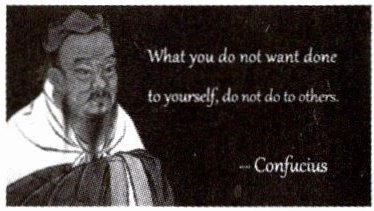
Ren is the feeling of care and love we should have for others. Confucius explained ren could best be understood as loving others. He is famous for teaching people “What you do not want done to yourself, do not do to others”. It is quite similar to what is known in the West as the Golden Rule (treat others as you wish to be treated).
While the meaning of ren is easy to understand, li is a little harder to express. It can be thought of as duty or even respect. Generally, li is the way we should connect with people in our everyday life. In Confucian writings, discussions about li include the proper way to drink tea and how to remember ancestors (祖先). While ren is mostly about our opinions and feelings, li is about how we express our opinions and feelings towards others and towards the world around us.
Perhaps the most well-known Confucian virtue is xiao. This is the duty children have to their parents. Xiao means loving, respecting, obeying and taking care of one's parents in their old age. In Confucianism, xiao is important for a harmonious (和谐的) society: Without it, the whole world would fall into a mess.
1 Which are the most important of the Five Constants?
A. Ren and yi.
B. Ren and li.
C. Li and xin.
D. Yi and zhi.
2 [跨学科·语文] What is the best Chinese translation of the underlined sentence in Paragraph 2?
A. 博学于文,约之以礼。
B. 学而不思则罔,思而不学则殆。
C. 己所不欲,勿施于人。
D. 君子和而不同,小人同而不和。
3 Which of the following is an example of li?
A. Building a peaceful society.
B. Taking care of one's children.
C. Following rules for drinking tea.
D. Learning all through one's life.
4 What does the passage mainly tell us about Confucianism?
A. Its general virtues.
B. Its long history.
C. Its new challenges.
D. Its golden rules.
5 [新考法·篇章结构题] What is the structure of the passage?
A. ①/②③/④
B. ①②③/④
C. ①②/③④
D. ①/②③④
Ren is the feeling of care and love we should have for others. Confucius explained ren could best be understood as loving others. He is famous for teaching people “What you do not want done to yourself, do not do to others”. It is quite similar to what is known in the West as the Golden Rule (treat others as you wish to be treated).
While the meaning of ren is easy to understand, li is a little harder to express. It can be thought of as duty or even respect. Generally, li is the way we should connect with people in our everyday life. In Confucian writings, discussions about li include the proper way to drink tea and how to remember ancestors (祖先). While ren is mostly about our opinions and feelings, li is about how we express our opinions and feelings towards others and towards the world around us.
Perhaps the most well-known Confucian virtue is xiao. This is the duty children have to their parents. Xiao means loving, respecting, obeying and taking care of one's parents in their old age. In Confucianism, xiao is important for a harmonious (和谐的) society: Without it, the whole world would fall into a mess.
1 Which are the most important of the Five Constants?
A. Ren and yi.
B. Ren and li.
C. Li and xin.
D. Yi and zhi.
2 [跨学科·语文] What is the best Chinese translation of the underlined sentence in Paragraph 2?
A. 博学于文,约之以礼。
B. 学而不思则罔,思而不学则殆。
C. 己所不欲,勿施于人。
D. 君子和而不同,小人同而不和。
3 Which of the following is an example of li?
A. Building a peaceful society.
B. Taking care of one's children.
C. Following rules for drinking tea.
D. Learning all through one's life.
4 What does the passage mainly tell us about Confucianism?
A. Its general virtues.
B. Its long history.
C. Its new challenges.
D. Its golden rules.
5 [新考法·篇章结构题] What is the structure of the passage?
A. ①/②③/④
B. ①②③/④
C. ①②/③④
D. ①/②③④
答案:
1 B 细节理解题。根据第一段中的"Confucianism teaches the Five Constants(五常)... The most important two are ren and li"可知答案。
2 C 句子翻译题。画线句是说,不要把自己不喜欢的事强加给别人,即己所不欲,勿施于人。故选C。
3 C 细节理解题。根据第三段中的"In Confucian writings, discussions about li include the proper way to drink tea"可知,答案为C。
4 A 主旨大意题。通读全文可知,本文主要介绍了儒家思想中的"仁""礼"和"孝";结合第一段中的"Confucianism teaches the Five Constants(五常)... They are general virtues around the world"可知,本文主要介绍了儒家思想中的美德。故选A。
5 D 篇章结构题。通读全文可知,第一段引出话题,第二至四段分别介绍儒家思想中的"仁""礼"和"孝",本文为总分结构,故选D。
2 C 句子翻译题。画线句是说,不要把自己不喜欢的事强加给别人,即己所不欲,勿施于人。故选C。
3 C 细节理解题。根据第三段中的"In Confucian writings, discussions about li include the proper way to drink tea"可知,答案为C。
4 A 主旨大意题。通读全文可知,本文主要介绍了儒家思想中的"仁""礼"和"孝";结合第一段中的"Confucianism teaches the Five Constants(五常)... They are general virtues around the world"可知,本文主要介绍了儒家思想中的美德。故选A。
5 D 篇章结构题。通读全文可知,第一段引出话题,第二至四段分别介绍儒家思想中的"仁""礼"和"孝",本文为总分结构,故选D。
查看更多完整答案,请扫码查看

