

 搜索
搜索
第5页
- 第1页
- 第2页
- 第3页
- 第4页
- 第5页
- 第6页
- 第7页
- 第8页
- 第9页
- 第10页
- 第11页
- 第12页
- 第13页
- 第14页
- 第15页
- 第16页
- 第17页
- 第18页
- 第19页
- 第20页
- 第21页
- 第22页
- 第23页
- 第24页
- 第25页
- 第26页
- 第27页
- 第28页
- 第29页
- 第30页
- 第31页
- 第32页
- 第33页
- 第34页
- 第35页
- 第36页
- 第37页
- 第38页
- 第39页
- 第40页
- 第41页
- 第42页
- 第43页
- 第44页
- 第45页
- 第46页
- 第47页
- 第48页
- 第49页
- 第50页
- 第51页
- 第52页
- 第53页
- 第54页
- 第55页
- 第56页
- 第57页
- 第58页
- 第59页
- 第60页
- 第61页
- 第62页
- 第63页
- 第64页
- 第65页
- 第66页
- 第67页
- 第68页
- 第69页
- 第70页
- 第71页
- 第72页
- 第73页
- 第74页
- 第75页
- 第76页
- 第77页
- 第78页
- 第79页
- 第80页
- 第81页
- 第82页
- 第83页
- 第84页
- 第85页
- 第86页
- 第87页
- 第88页
- 第89页
- 第90页
- 第91页
- 第92页
- 第93页
- 第94页
- 第95页
- 第96页
- 第97页
- 第98页
- 第99页
- 第100页
- 第101页
- 第102页
- 第103页
- 第104页
- 第105页
- 第106页
- 第107页
- 第108页
- 第109页
- 第110页
- 第111页
- 第112页
- 第113页
- 第114页
- 第115页
- 第116页
- 第117页
- 第118页
- 第119页
- 第120页
- 第121页
- 第122页
- 第123页
- 第124页
- 第125页
- 第126页
- 第127页
- 第128页
- 第129页
- 第130页
- 第131页
- 第132页
- 第133页
- 第134页
- 第135页
- 第136页
- 第137页
- 第138页
- 第139页
- 第140页
- 第141页
- 第142页
- 第143页
- 第144页
- 第145页
- 第146页
- 第147页
- 第148页
- 第149页
- 第150页
- 第151页
- 第152页
- 第153页
- 第154页
- 第155页
- 第156页
- 第157页
- 第158页
- 第159页
- 第160页
- 第161页
- 第162页
- 第163页
- 第164页
Ⅰ. 根据句意及首字母补全单词。
1. The police are looking for the killer. He has
2. In the 1970s,
3. — Which do you prefer,
— I like chess better.
4. Receiving higher education
5. — What do you usually do in your
— Reading books.
1. The police are looking for the killer. He has
hidden
in the forest for several days.2. In the 1970s,
radios
were very popular among old people. They used them to listen to music and news.3. — Which do you prefer,
chess
or Weiqi?— I like chess better.
4. Receiving higher education
abroad
has been popular among Chinese young people in recent years.5. — What do you usually do in your
spare
time?— Reading books.
答案:
1. hidden 2. radios 3. chess 4. abroad 5. spare
(
— OK, Mom.
A.has taken
B.have spent
C.have paid
D.have cost
B
)1.— Jack, you spend
too much time on computer games. You should do your homework right now.— OK, Mom.
A.has taken
B.have spent
C.have paid
D.have cost
答案:
1. B spend...on sth./ in doing sth.是固定搭配。
(
A.taking
B.to take
C.takes
D.took
B
)2.Everyone has a chance ______ the exam.A.taking
B.to take
C.takes
D.took
答案:
2. B have a chance to do sth.意为“有机会做某事”。
(
A.hasn’t saw; in
B.hasn’t seen; for
C.didn’t see; since
D.doesn’t see; with
B
)3.He left his hometown three years ago. His father ______ him ______ three years.A.hasn’t saw; in
B.hasn’t seen; for
C.didn’t see; since
D.doesn’t see; with
答案:
3. B 在现在完成时中,一段时间前用 for。
( )4.
A.Though; but
B.Though; and
C.Though; /
D./; and
Though
I am not rich, ______ I still feel very happy.A.Though; but
B.Though; and
C.Though; /
D./; and
答案:
4. C though 意为“尽管,虽然”,不与 but 连用。
(
A.has played; role
B.is playing; part
C.was playing; role
D.have played; part
A
)5.China ______ an important ______ in international affairs since the reform and opening-up.A.has played; role
B.is playing; part
C.was playing; role
D.have played; part
答案:
5. A since the reform and opening-up 意为“自从改革开放以来”,应用现在完成时。
Ⅲ. 根据图片及提示词造句。
1.
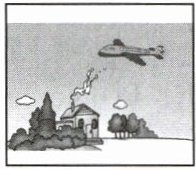
Mr. Wang/Beijing/for two days
2.
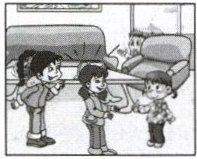
in the past/get together
3.
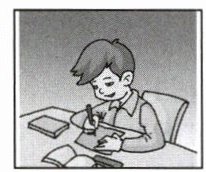
do one’s homework/two hours
4.
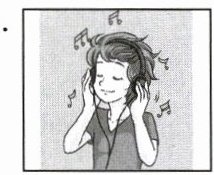
me/relaxed
5.
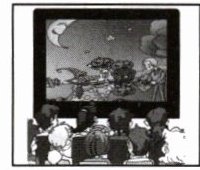
movie/when/I/young
1.
Mr. Wang/Beijing/for two days
Mr. Wang has been in Beijing for two days.
2.
in the past/get together
In the past, children often got together to play hide-and-seek.
3.
do one’s homework/two hours
He has done his homework for two hours.
4.
me/relaxed
Listening to music makes me relaxed.
5.
movie/when/I/young
I often watched movies in the open air when I was young.
答案:
1. Mr. Wang has been in Beijing for two days. 2. In the past, children often got together to play hide-and-seek. 3. He has done his homework for two hours. 4. Listening to music makes me relaxed. 5. I often watched movies in the open air when I was young.
查看更多完整答案,请扫码查看

