

 搜索
搜索
第154页
- 第1页
- 第2页
- 第3页
- 第4页
- 第5页
- 第6页
- 第7页
- 第8页
- 第9页
- 第10页
- 第11页
- 第12页
- 第13页
- 第14页
- 第15页
- 第16页
- 第17页
- 第18页
- 第19页
- 第20页
- 第21页
- 第22页
- 第23页
- 第24页
- 第25页
- 第26页
- 第27页
- 第28页
- 第29页
- 第30页
- 第31页
- 第32页
- 第33页
- 第34页
- 第35页
- 第36页
- 第37页
- 第38页
- 第39页
- 第40页
- 第41页
- 第42页
- 第43页
- 第44页
- 第45页
- 第46页
- 第47页
- 第48页
- 第49页
- 第50页
- 第51页
- 第52页
- 第53页
- 第54页
- 第55页
- 第56页
- 第57页
- 第58页
- 第59页
- 第60页
- 第61页
- 第62页
- 第63页
- 第64页
- 第65页
- 第66页
- 第67页
- 第68页
- 第69页
- 第70页
- 第71页
- 第72页
- 第73页
- 第74页
- 第75页
- 第76页
- 第77页
- 第78页
- 第79页
- 第80页
- 第81页
- 第82页
- 第83页
- 第84页
- 第85页
- 第86页
- 第87页
- 第88页
- 第89页
- 第90页
- 第91页
- 第92页
- 第93页
- 第94页
- 第95页
- 第96页
- 第97页
- 第98页
- 第99页
- 第100页
- 第101页
- 第102页
- 第103页
- 第104页
- 第105页
- 第106页
- 第107页
- 第108页
- 第109页
- 第110页
- 第111页
- 第112页
- 第113页
- 第114页
- 第115页
- 第116页
- 第117页
- 第118页
- 第119页
- 第120页
- 第121页
- 第122页
- 第123页
- 第124页
- 第125页
- 第126页
- 第127页
- 第128页
- 第129页
- 第130页
- 第131页
- 第132页
- 第133页
- 第134页
- 第135页
- 第136页
- 第137页
- 第138页
- 第139页
- 第140页
- 第141页
- 第142页
- 第143页
- 第144页
- 第145页
- 第146页
- 第147页
- 第148页
- 第149页
- 第150页
- 第151页
- 第152页
- 第153页
- 第154页
- 第155页
- 第156页
- 第157页
- 第158页
- 第159页
- 第160页
- 第161页
- 第162页
- 第163页
- 第164页
Ⅳ. 完形填空。
Tu Youyou is an old scientist. She won the Nobel Prize in medicine for discovering sweet wormwood (青蒿素). We ___1___ it “Qing - hao - su” in Chinese. It’s a good medicine to cure (治愈) the deadly disease, malaria (疟疾). Tu started her malaria research in China in the 1960s and 1970s. She ___2___ “Qing - har - su” in 1971. It is a great health improvement for people in developing countries in south Asia, African and South America.
On December 30, 1930, Tu Youyou was born in Ningbo, Zhejiang, China. From 1951 to 1955, she studied in Peking University Medical School. Later Tu ___3___ for two and a half years in traditional Chinese medicine.
When Tu ___4___ the national research team to find the malaria medicine in the 1960s, things were ___5___. They didn’t have good equipment (设备) then. Tu used to test medicines by taking them ___6___. Tu’s team looked for old Chinese medicine books by hand. She ___7___ lots of experiments in over 200 kinds of traditional Chinese medicines and experienced over 380 failures (失败).
As we all know, Chinese ___8___ Mo Yan won the Nobel Prize in Literature in 2012. The ___9___ of Tu’s winning the Nobel Medicine Prize soon filled the Chinese media (媒体). And people were talking about this ___10___ news. More people should pay attention to the rich and long history of the Traditional Chinese Medicine.
(
B. suppose
C. call
D. express
(
B. discovered
C. produced
D. introduced
(
B. trained
C. had trained
D. has trained
(
B. kept
C. touched
D. joined
(
B. enough
C. cheap
D. necessary
(
B. himself
C. herself
D. yourself
(
B. watched
C. used
D. made
(
B. reader
C. speaker
D. reporter
(
B. news
C. comment
D. topic
(
B. bored
C. exciting
D. excited
Tu Youyou is an old scientist. She won the Nobel Prize in medicine for discovering sweet wormwood (青蒿素). We ___1___ it “Qing - hao - su” in Chinese. It’s a good medicine to cure (治愈) the deadly disease, malaria (疟疾). Tu started her malaria research in China in the 1960s and 1970s. She ___2___ “Qing - har - su” in 1971. It is a great health improvement for people in developing countries in south Asia, African and South America.
On December 30, 1930, Tu Youyou was born in Ningbo, Zhejiang, China. From 1951 to 1955, she studied in Peking University Medical School. Later Tu ___3___ for two and a half years in traditional Chinese medicine.
When Tu ___4___ the national research team to find the malaria medicine in the 1960s, things were ___5___. They didn’t have good equipment (设备) then. Tu used to test medicines by taking them ___6___. Tu’s team looked for old Chinese medicine books by hand. She ___7___ lots of experiments in over 200 kinds of traditional Chinese medicines and experienced over 380 failures (失败).
As we all know, Chinese ___8___ Mo Yan won the Nobel Prize in Literature in 2012. The ___9___ of Tu’s winning the Nobel Medicine Prize soon filled the Chinese media (媒体). And people were talking about this ___10___ news. More people should pay attention to the rich and long history of the Traditional Chinese Medicine.
(
C
)1. A. expectB. suppose
C. call
D. express
(
B
)2. A. receivedB. discovered
C. produced
D. introduced
(
A
)3. A. was trainedB. trained
C. had trained
D. has trained
(
D
)4. A. builtB. kept
C. touched
D. joined
(
A
)5. A. hardB. enough
C. cheap
D. necessary
(
C
)6. A. themselvesB. himself
C. herself
D. yourself
(
D
)7. A. gotB. watched
C. used
D. made
(
A
)8. A. writerB. reader
C. speaker
D. reporter
(
B
)9. A. ideaB. news
C. comment
D. topic
(
C
)10. A. boringB. bored
C. exciting
D. excited
答案:
1. C 用汉语我们叫它青蒿素。call 意为“称;叫”,符合句意。 2. B 1971 年她发现了青蒿素。discover 意为“发现”。 3. A 句子主语 Tu 为谓语动词 train 的逻辑宾语,用被动。故选 A。 4. D 她加入了国家研究团队。join 意为“加入”,符合句意。 5. A 由句子 because they didn't have good equipment then.可判断,当时条件很艰苦。hard 意为“艰苦的”。 6. C 句子主语为 Tu,其反身代词为 herself。 7. D make experiments 意为“做实验”,为固定词组。 8. A 莫言是一位作家。writer 意为“作家”,符合句意要求。 9. B 获奖的消息被媒体传播。故选 B。 10. C 屠呦呦获得诺贝尔科学奖是一件令人振奋的消息。exciting 意为“令人振奋的”,符合句意。
Ⅴ. 阅读理解。
Hong Huang Girl, Fu Yuanhui
The Chinese swimmer Fu Yuanhui, known in the country by the “walking expression package” appeared at CCTV’s annual Spring Festival Gala, the most watched television program in the world.
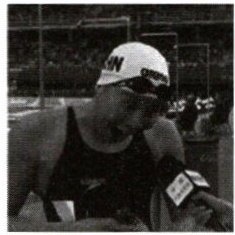
Fu Yuanhui is a China’s swimmer. She came third in Women’s 100 meter backstroke (仰泳) finals at Rio Olympics in 2016. People became crazy about the 1996 - born girl, not because of her performances or her achievements, but because of her cheerful answers.
Finishing the 100 meter backstroke with 58.95 seconds, Fu thought it was 59 seconds, she was quite surprised with the result. This was the first moment when she impressed the Chinese audience (观众) with her surprising look and body language in front of the camera. The second time was her honest and direct answer to the question: “We know that your body condition was not that good in the past year and it’s not easy to have such a result. Do you think you are now as good as before?” “It is my best score ever. I have worked for three months on the recovery (康复). Only the ghost knows what I have come through,” said Fu. “It was so painstaking that sometimes I felt like I was going to die.”
In the interview, Fu used a phrase “Hong Huang Zhi Li” to describe the great efforts she had made. The word soon became a popular word on the internet.
(
A. 18
B. 19
C. 20
D. 21
(
A. her performances
B. her achievements
C. her appearance at gala
D. her cheerful answers
(
A. surprised
B. excited
C. interested
D. happy
(
A. 有趣的
B. 艰辛的
C. 愉快的
D. 兴奋的
(
A. from a magazine
B. from a story book
C. on sports news
D. in a novel
Hong Huang Girl, Fu Yuanhui
The Chinese swimmer Fu Yuanhui, known in the country by the “walking expression package” appeared at CCTV’s annual Spring Festival Gala, the most watched television program in the world.
Fu Yuanhui is a China’s swimmer. She came third in Women’s 100 meter backstroke (仰泳) finals at Rio Olympics in 2016. People became crazy about the 1996 - born girl, not because of her performances or her achievements, but because of her cheerful answers.
Finishing the 100 meter backstroke with 58.95 seconds, Fu thought it was 59 seconds, she was quite surprised with the result. This was the first moment when she impressed the Chinese audience (观众) with her surprising look and body language in front of the camera. The second time was her honest and direct answer to the question: “We know that your body condition was not that good in the past year and it’s not easy to have such a result. Do you think you are now as good as before?” “It is my best score ever. I have worked for three months on the recovery (康复). Only the ghost knows what I have come through,” said Fu. “It was so painstaking that sometimes I felt like I was going to die.”
In the interview, Fu used a phrase “Hong Huang Zhi Li” to describe the great efforts she had made. The word soon became a popular word on the internet.
(
C
)1. Fu Yuanhui was ___ years old when she came third at Rio Olympics.A. 18
B. 19
C. 20
D. 21
(
D
)2. People were crazy about the girl because of ___.A. her performances
B. her achievements
C. her appearance at gala
D. her cheerful answers
(
A
)3. Fu Yuanhui felt ___ first when she knew the result.A. surprised
B. excited
C. interested
D. happy
(
B
)4. The underlined word “painstaking” means “___” in Chinese.A. 有趣的
B. 艰辛的
C. 愉快的
D. 兴奋的
(
C
)5. We can find the passage ___.A. from a magazine
B. from a story book
C. on sports news
D. in a novel
答案:
1. C 由短文第二段句子 People became crazy about the 1996-born girl...可知,她出生于1996 年,2016 年参加了里约奥运会。所以她 20 岁。 2. D 由短文第二段句子 People became crazy about the 1996-born girl, not because of...but because of her cheerful answers. 可判断,由于她狂喜的回答而被人们喜爱。 3. A 由短文第三段句子...was quite surprised with the result 可知,首先她感到吃惊。 4. B 由 sometimes I felt like I was going to die.可知,训练很辛苦。故选 B。 5. C 本文主要介绍了女游泳运动员傅园慧。于体育有关。故选 C。
查看更多完整答案,请扫码查看

