

 搜索
搜索
第155页
- 第1页
- 第2页
- 第3页
- 第4页
- 第5页
- 第6页
- 第7页
- 第8页
- 第9页
- 第10页
- 第11页
- 第12页
- 第13页
- 第14页
- 第15页
- 第16页
- 第17页
- 第18页
- 第19页
- 第20页
- 第21页
- 第22页
- 第23页
- 第24页
- 第25页
- 第26页
- 第27页
- 第28页
- 第29页
- 第30页
- 第31页
- 第32页
- 第33页
- 第34页
- 第35页
- 第36页
- 第37页
- 第38页
- 第39页
- 第40页
- 第41页
- 第42页
- 第43页
- 第44页
- 第45页
- 第46页
- 第47页
- 第48页
- 第49页
- 第50页
- 第51页
- 第52页
- 第53页
- 第54页
- 第55页
- 第56页
- 第57页
- 第58页
- 第59页
- 第60页
- 第61页
- 第62页
- 第63页
- 第64页
- 第65页
- 第66页
- 第67页
- 第68页
- 第69页
- 第70页
- 第71页
- 第72页
- 第73页
- 第74页
- 第75页
- 第76页
- 第77页
- 第78页
- 第79页
- 第80页
- 第81页
- 第82页
- 第83页
- 第84页
- 第85页
- 第86页
- 第87页
- 第88页
- 第89页
- 第90页
- 第91页
- 第92页
- 第93页
- 第94页
- 第95页
- 第96页
- 第97页
- 第98页
- 第99页
- 第100页
- 第101页
- 第102页
- 第103页
- 第104页
- 第105页
- 第106页
- 第107页
- 第108页
- 第109页
- 第110页
- 第111页
- 第112页
- 第113页
- 第114页
- 第115页
- 第116页
- 第117页
- 第118页
- 第119页
- 第120页
- 第121页
- 第122页
- 第123页
- 第124页
- 第125页
- 第126页
- 第127页
- 第128页
- 第129页
- 第130页
- 第131页
- 第132页
- 第133页
- 第134页
- 第135页
- 第136页
- 第137页
- 第138页
- 第139页
- 第140页
- 第141页
- 第142页
- 第143页
- 第144页
- 第145页
- 第146页
- 第147页
- 第148页
- 第149页
- 第150页
- 第151页
- 第152页
- 第153页
- 第154页
- 第155页
- 第156页
- 第157页
- 第158页
- 第159页
- 第160页
- 第161页
- 第162页
- 第163页
- 第164页
Ⅵ. 任务型阅读。
Calligraphy (书法) is the art of writing Chinese characters. ___1___ In ancient China, calligraphy has a distinguished (高贵的) position in the field of traditional art. ___2___ When writing, many calligraphers will forget all worries and even themselves, combining (结合) all thoughts in the beauty of their art. It is not only a means of communication, but also a means of expressing a person’s inner world in an aesthetic sense (美感). ___3___ And these masters (大师) left many great works to the world.
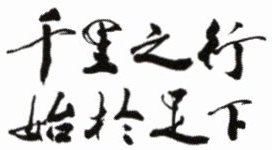
To practice calligraphy requires the basic tools of “four treasures of study”. ___4___ Today, although the original (原本的) calligraphy has been replaced by various modern ways, a lot of calligraphy lovers still practice calligraphy as a hobby. ___5___ Especially during recent years, Chinese government encourages students to practice calligraphy as a selective subject (选修课) at school. This traditional art is becoming more and more popular in China again.
将方框中的句子还原到短文中,使短文完整。
A. They are writing brush, ink stick, paper, and inkstone.
B. And many of them are good at it and even become famous.
C. It has a history of more than 3,000 years.
D. Calligraphy, like a mirror, is a silent reflection of the soul.
E. The most famous calligraphers include Wang Xizhi, Wang Xianzhi, Zhang Xu and Yan Zhenqing.
1.
2.
3.
4.
5.
Calligraphy (书法) is the art of writing Chinese characters. ___1___ In ancient China, calligraphy has a distinguished (高贵的) position in the field of traditional art. ___2___ When writing, many calligraphers will forget all worries and even themselves, combining (结合) all thoughts in the beauty of their art. It is not only a means of communication, but also a means of expressing a person’s inner world in an aesthetic sense (美感). ___3___ And these masters (大师) left many great works to the world.
To practice calligraphy requires the basic tools of “four treasures of study”. ___4___ Today, although the original (原本的) calligraphy has been replaced by various modern ways, a lot of calligraphy lovers still practice calligraphy as a hobby. ___5___ Especially during recent years, Chinese government encourages students to practice calligraphy as a selective subject (选修课) at school. This traditional art is becoming more and more popular in China again.
将方框中的句子还原到短文中,使短文完整。
A. They are writing brush, ink stick, paper, and inkstone.
B. And many of them are good at it and even become famous.
C. It has a history of more than 3,000 years.
D. Calligraphy, like a mirror, is a silent reflection of the soul.
E. The most famous calligraphers include Wang Xizhi, Wang Xianzhi, Zhang Xu and Yan Zhenqing.
1.
C
2.
D
3.
E
4.
A
5.
B
答案:
1. C 2. D 3. E 4. A 5. B
Ⅶ. 书面表达。
“Never put off till tomorrow what may be done today.”
“When I walk with two others, I may be able to learn from them.”
“Learn the new while reviewing the old.”
“It’s never too late to learn.”
“Nothing is difficult if you put your heart into it.”
“Where there is a will, there is a way.”
想想上面这些我们耳熟能详的谚语,在实现你理想的道路上,哪些给了你重要的启示?选取其中的一两个并结合生活实际写一写你的感受,不少于 80 词。
“Never put off till tomorrow what may be done today.”
“When I walk with two others, I may be able to learn from them.”
“Learn the new while reviewing the old.”
“It’s never too late to learn.”
“Nothing is difficult if you put your heart into it.”
“Where there is a will, there is a way.”
想想上面这些我们耳熟能详的谚语,在实现你理想的道路上,哪些给了你重要的启示?选取其中的一两个并结合生活实际写一写你的感受,不少于 80 词。
I was shy when I talked to others in English. I always thought my pronunciation was poor. I would make mistakes. I didn't become active and like to communicate until my teacher told me "Nothing is difficult if you put your heart into it." It makes me full of confidence and I don't worry about anyone who will laugh at me, so oral English seems to be easy. So, if you make full use of your time and put all your energy into learning, just to believe "where there is a will, there is a way." Your dream will come true one day.
答案:
I was shy when I talked to others in English. I always thought my pronunciation was poor. I would make mistakes. I didn't become active and like to communicate until my teacher told me "Nothing is difficult if you put your heart into it." It makes me full of confidence and I don't worry about anyone who will laugh at me, so oral English seems to be easy. So, if you make full use of your time and put all your energy into learning, just to believe "where there is a will, there is a way." Your dream will come true one day.
查看更多完整答案,请扫码查看

