

 搜索
搜索
第19页
- 第1页
- 第2页
- 第3页
- 第4页
- 第5页
- 第6页
- 第7页
- 第8页
- 第9页
- 第10页
- 第11页
- 第12页
- 第13页
- 第14页
- 第15页
- 第16页
- 第17页
- 第18页
- 第19页
- 第20页
- 第21页
- 第22页
- 第23页
- 第24页
- 第25页
- 第26页
- 第27页
- 第28页
- 第29页
- 第30页
- 第31页
- 第32页
- 第33页
- 第34页
- 第35页
- 第36页
- 第37页
- 第38页
- 第39页
- 第40页
- 第41页
- 第42页
- 第43页
- 第44页
- 第45页
- 第46页
- 第47页
- 第48页
- 第49页
- 第50页
- 第51页
- 第52页
- 第53页
- 第54页
- 第55页
- 第56页
- 第57页
- 第58页
- 第59页
- 第60页
- 第61页
- 第62页
- 第63页
- 第64页
- 第65页
- 第66页
- 第67页
- 第68页
- 第69页
- 第70页
- 第71页
- 第72页
- 第73页
- 第74页
- 第75页
- 第76页
- 第77页
- 第78页
- 第79页
- 第80页
- 第81页
- 第82页
- 第83页
- 第84页
- 第85页
- 第86页
- 第87页
- 第88页
- 第89页
- 第90页
- 第91页
- 第92页
- 第93页
- 第94页
- 第95页
- 第96页
- 第97页
- 第98页
- 第99页
- 第100页
- 第101页
- 第102页
- 第103页
- 第104页
- 第105页
- 第106页
- 第107页
- 第108页
- 第109页
- 第110页
- 第111页
- 第112页
- 第113页
- 第114页
- 第115页
- 第116页
- 第117页
- 第118页
- 第119页
- 第120页
- 第121页
- 第122页
- 第123页
- 第124页
- 第125页
- 第126页
- 第127页
- 第128页
- 第129页
- 第130页
- 第131页
- 第132页
- 第133页
- 第134页
- 第135页
- 第136页
- 第137页
Ⅴ.跨学科 节日风俗 (2025·黑龙江龙东地区期中)完形填空
中国传统节日“龙抬头”在每年的农历二月初二,是一个祈求风调雨顺、驱邪攘灾、纳祥转运的日子。你了解这个节日的风俗习惯吗?
Have you heard about Dragon Head-Raising Day? It is a traditional Chinese 1. It falls on the second day of the second lunar 2.
On the day in ancient times, people 3 ashes (灰) into kitchens and around water vats (缸). They did this 4 the dragon into the house.
People eat noodles, dumplings and fried pancakes 5 this day. All the day's foods 6 dragons. For example, people eat “dragon whisker (龙须)” noodles and dumplings 7 “dragon ears”.
In some ancient Chinese 8, dragons have power over the wind and rain. They often 9 rain to the world on the second day of the second lunar month.
It is said that after that day there will be more and more 10. This is 11 the day is often called “Spring Dragon Day”. People hoped that 12 the help of the dragon, plowing (耕种) would be much 13 and the autumn would bring a good harvest (收获).
It was said that a haircut during the 14 lunar month would bring bad 15 to the uncles in a family. This is why you see many people having a haircut on Dragon Head-Raising Day.
1. A. season
B. year
C. festival
2. A. month
B. week
C. day
3. A. lay
B. lain
C. laid
4. A. lead
B. to lead
C. leading
5. A. on
B. since
C. before
6. A. named after
B. are named after
C. are named by
7. A. call
B. called
C. are called
8. A. movies
B. songs
C. stories
9. A. bring
B. take
C. throw
10. A. snow
B. wind
C. rain
11. A. when
B. how
C. why
12. A. under
B. with
C. over
13. A. easier
B. easiest
C. easy
14. A. first
B. second
C. third
15. A. heat
B. luck
C. secret
中国传统节日“龙抬头”在每年的农历二月初二,是一个祈求风调雨顺、驱邪攘灾、纳祥转运的日子。你了解这个节日的风俗习惯吗?
Have you heard about Dragon Head-Raising Day? It is a traditional Chinese 1. It falls on the second day of the second lunar 2.
On the day in ancient times, people 3 ashes (灰) into kitchens and around water vats (缸). They did this 4 the dragon into the house.
People eat noodles, dumplings and fried pancakes 5 this day. All the day's foods 6 dragons. For example, people eat “dragon whisker (龙须)” noodles and dumplings 7 “dragon ears”.
In some ancient Chinese 8, dragons have power over the wind and rain. They often 9 rain to the world on the second day of the second lunar month.
It is said that after that day there will be more and more 10. This is 11 the day is often called “Spring Dragon Day”. People hoped that 12 the help of the dragon, plowing (耕种) would be much 13 and the autumn would bring a good harvest (收获).
It was said that a haircut during the 14 lunar month would bring bad 15 to the uncles in a family. This is why you see many people having a haircut on Dragon Head-Raising Day.
1. A. season
B. year
C. festival
2. A. month
B. week
C. day
3. A. lay
B. lain
C. laid
4. A. lead
B. to lead
C. leading
5. A. on
B. since
C. before
6. A. named after
B. are named after
C. are named by
7. A. call
B. called
C. are called
8. A. movies
B. songs
C. stories
9. A. bring
B. take
C. throw
10. A. snow
B. wind
C. rain
11. A. when
B. how
C. why
12. A. under
B. with
C. over
13. A. easier
B. easiest
C. easy
14. A. first
B. second
C. third
15. A. heat
B. luck
C. secret
答案:
【文章大意】本文主要介绍了中国传统节日“龙抬头”。
1. C [解析]句意:这是中国的传统节日。season 季节;year 年;festival 节日。根据“Have you heard about Dragon Head-Raising Day? It is a traditional Chinese...”可知,“龙抬头”是传统节日。故选 C。
2. A [解析]句意:它是在农历二月的第二天。month 月;week 星期;day 天。根据“It falls on the second day of the second lunar...”可知,此处指农历二月的第二天。故选 A。
3. C [解析]句意:在古代的这一天,人们把灰撒在厨房里和水缸周围。lay 放置,原形;lain 躺,过去分词;laid 放置,过去式、过去分词。根据“people... ashes (灰) into kitchens
lie 和 lay 极易混淆
and around water vats(缸)”可知,把灰放在厨房;根据“On the day in ancient times”可知是一般过去时,动词用过去式。故选 C。
4. B [解析]句意:他们这样做是为了把龙引进屋来。lead 带领,动词原形;to lead 带领,动词不定式;leading 带领,动名词。故选 B。
该句为不定式表目的
5. A [解析]句意:人们在这一天吃面条、饺子和煎薄饼。on 在某一天;since 自从;before 在……之前。根据“this day”可知在某一天介词用 on。故选 A。
6. B [解析]句意:所有的食物都以龙的名字命名。named after 以……命名,一般过去时;are named after 以……命名,一般现在时的被动语态;are named by 被……命名,一般现在时的被动语态。根据“For example, people eat
注意区分 after 和 by
‘dragon whisker (龙须)’ noodles’...”和常识可知,龙须面以龙命名,且食物是被命名,应是被动语态。故选 B。
7. B [解析]句意:例如,人们吃“龙须”面条和“龙牙”饺子。call 称呼,动词原形;called 称呼,动词过去式、过去分词;are called 被称为,一般现在时的被动语态。分析句子可知此处应是非谓语动词,且 dumplings 与 call 为被动关系,因此用过去分词作定语。故选 B。
8. C [解析]句意:在中国古代的一些故事中,龙有控制风雨的力量。movie 电影;song 歌曲;story 故事。根据“dragons have power over the wind and rain”可知,龙能控制风雨,应是出现在古代故事中。故选 C。
9. A [解析]句意:它们经常在农历二月初二给世界带来雨水。bring 带来;take 带去;throw 扔。根据“They often... rain to the world”可知,龙能带来降雨。故选 A。
10. C [解析]句意:据说从那天以后,雨会越来越多。snow 雪;wind 风;rain 雨。根据“dragons have power over the wind and rain. They often... rain to the world”可知,越来越多的应是雨。故选 C。
11. C [解析]句意:这就是为什么这一天通常被称为“春龙节”。when 什么时候;how 怎么样;why 为什么。根据“It is said that after that day there will be more and more...”可知,“龙抬头”之后雨水越来越多,这就是为什么被称为“春龙节”。故选 C。
12. B [解析]句意:人们希望在龙的帮助下,耕种会容易得多,秋天会有好收成。under 在……下面;with 随着;over 在……上方。故选 B。
“with the help of...”为固定搭配,意思是“在……的帮助下”
13. A [解析]句意:人们希望在龙的帮助下,耕种会容易得多,秋天会有好收成。easier 更容易,形容词比较级;easiest 最容易的,形容词最高级;easy 容易的,形容词原级。故选 A。
much 后加比较级,表示“……得多”
14. A [解析]句意:据说,在农历正月理发将会给家里的舅舅带来厄运。first 第一;second 第二;third 第三。根据“This is why you see many people having a haircut on Dragon Head-Raising Day”可知,人们在农历二月二“龙抬头”理发,因为那里第一个月理发不好。故选 A。
15. B [解析]句意:据说,在农历正月理发将会给家里的舅舅带来厄运。heat 热量;luck 运气;secret 秘密。根据“It was said that a haircut during the... lunar month would bring bad... to the uncles in a family.”可知,正月理发会给舅舅带来厄运。故选 B。
归纳总结 解完形填空题时,单独看一句话是找不到正确答案的,需要阅读下句或者若干句才能明白。因此,在做题时,要边读边在大脑中储存上下文信息,捕捉关键词;然后利用前后语境去推断正确的答案。
1. C [解析]句意:这是中国的传统节日。season 季节;year 年;festival 节日。根据“Have you heard about Dragon Head-Raising Day? It is a traditional Chinese...”可知,“龙抬头”是传统节日。故选 C。
2. A [解析]句意:它是在农历二月的第二天。month 月;week 星期;day 天。根据“It falls on the second day of the second lunar...”可知,此处指农历二月的第二天。故选 A。
3. C [解析]句意:在古代的这一天,人们把灰撒在厨房里和水缸周围。lay 放置,原形;lain 躺,过去分词;laid 放置,过去式、过去分词。根据“people... ashes (灰) into kitchens
lie 和 lay 极易混淆
and around water vats(缸)”可知,把灰放在厨房;根据“On the day in ancient times”可知是一般过去时,动词用过去式。故选 C。
4. B [解析]句意:他们这样做是为了把龙引进屋来。lead 带领,动词原形;to lead 带领,动词不定式;leading 带领,动名词。故选 B。
该句为不定式表目的
5. A [解析]句意:人们在这一天吃面条、饺子和煎薄饼。on 在某一天;since 自从;before 在……之前。根据“this day”可知在某一天介词用 on。故选 A。
6. B [解析]句意:所有的食物都以龙的名字命名。named after 以……命名,一般过去时;are named after 以……命名,一般现在时的被动语态;are named by 被……命名,一般现在时的被动语态。根据“For example, people eat
注意区分 after 和 by
‘dragon whisker (龙须)’ noodles’...”和常识可知,龙须面以龙命名,且食物是被命名,应是被动语态。故选 B。
7. B [解析]句意:例如,人们吃“龙须”面条和“龙牙”饺子。call 称呼,动词原形;called 称呼,动词过去式、过去分词;are called 被称为,一般现在时的被动语态。分析句子可知此处应是非谓语动词,且 dumplings 与 call 为被动关系,因此用过去分词作定语。故选 B。
8. C [解析]句意:在中国古代的一些故事中,龙有控制风雨的力量。movie 电影;song 歌曲;story 故事。根据“dragons have power over the wind and rain”可知,龙能控制风雨,应是出现在古代故事中。故选 C。
9. A [解析]句意:它们经常在农历二月初二给世界带来雨水。bring 带来;take 带去;throw 扔。根据“They often... rain to the world”可知,龙能带来降雨。故选 A。
10. C [解析]句意:据说从那天以后,雨会越来越多。snow 雪;wind 风;rain 雨。根据“dragons have power over the wind and rain. They often... rain to the world”可知,越来越多的应是雨。故选 C。
11. C [解析]句意:这就是为什么这一天通常被称为“春龙节”。when 什么时候;how 怎么样;why 为什么。根据“It is said that after that day there will be more and more...”可知,“龙抬头”之后雨水越来越多,这就是为什么被称为“春龙节”。故选 C。
12. B [解析]句意:人们希望在龙的帮助下,耕种会容易得多,秋天会有好收成。under 在……下面;with 随着;over 在……上方。故选 B。
“with the help of...”为固定搭配,意思是“在……的帮助下”
13. A [解析]句意:人们希望在龙的帮助下,耕种会容易得多,秋天会有好收成。easier 更容易,形容词比较级;easiest 最容易的,形容词最高级;easy 容易的,形容词原级。故选 A。
much 后加比较级,表示“……得多”
14. A [解析]句意:据说,在农历正月理发将会给家里的舅舅带来厄运。first 第一;second 第二;third 第三。根据“This is why you see many people having a haircut on Dragon Head-Raising Day”可知,人们在农历二月二“龙抬头”理发,因为那里第一个月理发不好。故选 A。
15. B [解析]句意:据说,在农历正月理发将会给家里的舅舅带来厄运。heat 热量;luck 运气;secret 秘密。根据“It was said that a haircut during the... lunar month would bring bad... to the uncles in a family.”可知,正月理发会给舅舅带来厄运。故选 B。
归纳总结 解完形填空题时,单独看一句话是找不到正确答案的,需要阅读下句或者若干句才能明白。因此,在做题时,要边读边在大脑中储存上下文信息,捕捉关键词;然后利用前后语境去推断正确的答案。
1.中考新考法 细节多选 How do people in Denmark celebrate the New Year?
①They throw coins.
②They break plates.
③They jump from a chair.
④They clean up their houses.
A. ①②
B. ③④
C. ①④
D. ②③
2. According to the passage, how many places have the tradition of first footing?
A. One.
B. Two.
C. Three.
D. Four.
3.中考新考法 图片理解 Which of the following is a symbol of good luck in Greece?
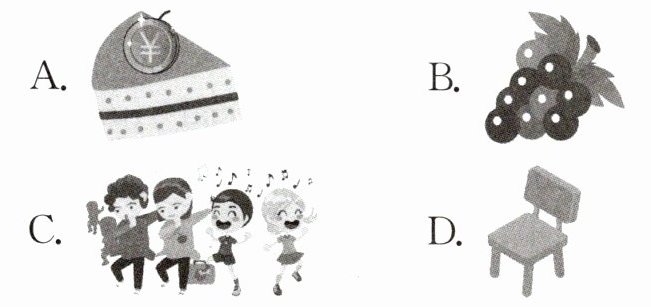
4.中考新考法 推断文章主旨 The passage is mainly about ____.
A. special New Year foods
B. the New Year traditions
C. the most important festivals around the world
D. the most popular places to celebrate the New Year
①They throw coins.
②They break plates.
③They jump from a chair.
④They clean up their houses.
A. ①②
B. ③④
C. ①④
D. ②③
D
2. According to the passage, how many places have the tradition of first footing?
A. One.
B. Two.
C. Three.
D. Four.
B
3.中考新考法 图片理解 Which of the following is a symbol of good luck in Greece?
A
4.中考新考法 推断文章主旨 The passage is mainly about ____.
A. special New Year foods
B. the New Year traditions
C. the most important festivals around the world
D. the most popular places to celebrate the New Year
B
答案:
【文章大意】本文介绍了丹麦、西班牙和希腊在新年时的独特庆祝习俗。
1~4 D B A B
1~4 D B A B
查看更多完整答案,请扫码查看

