

 搜索
搜索
第111页
- 第1页
- 第2页
- 第3页
- 第4页
- 第5页
- 第6页
- 第7页
- 第8页
- 第9页
- 第10页
- 第11页
- 第12页
- 第13页
- 第14页
- 第15页
- 第16页
- 第17页
- 第18页
- 第19页
- 第20页
- 第21页
- 第22页
- 第23页
- 第24页
- 第25页
- 第26页
- 第27页
- 第28页
- 第29页
- 第30页
- 第31页
- 第32页
- 第33页
- 第34页
- 第35页
- 第36页
- 第37页
- 第38页
- 第39页
- 第40页
- 第41页
- 第42页
- 第43页
- 第44页
- 第45页
- 第46页
- 第47页
- 第48页
- 第49页
- 第50页
- 第51页
- 第52页
- 第53页
- 第54页
- 第55页
- 第56页
- 第57页
- 第58页
- 第59页
- 第60页
- 第61页
- 第62页
- 第63页
- 第64页
- 第65页
- 第66页
- 第67页
- 第68页
- 第69页
- 第70页
- 第71页
- 第72页
- 第73页
- 第74页
- 第75页
- 第76页
- 第77页
- 第78页
- 第79页
- 第80页
- 第81页
- 第82页
- 第83页
- 第84页
- 第85页
- 第86页
- 第87页
- 第88页
- 第89页
- 第90页
- 第91页
- 第92页
- 第93页
- 第94页
- 第95页
- 第96页
- 第97页
- 第98页
- 第99页
- 第100页
- 第101页
- 第102页
- 第103页
- 第104页
- 第105页
- 第106页
- 第107页
- 第108页
- 第109页
- 第110页
- 第111页
- 第112页
- 第113页
- 第114页
- 第115页
- 第116页
- 第117页
- 第118页
- 第119页
- 第120页
- 第121页
- 第122页
- 第123页
- 第124页
- 第125页
- 第126页
- 第127页
- 第128页
- 第129页
- 第130页
- 第131页
- 第132页
- 第133页
- 第134页
- 第135页
- 第136页
- 第137页
任务1 跨学科 毽子小知识 (2025·湖南郴州永兴联考期末)阅读理解
Jianzi is a traditional Chinese sport, with a long history of over 2,000 years. It shares the same origin (起源) with British football. Both of them come from the ancient Chinese game—cuju.
Jianzi kicking has been a popular activity in China. People of all ages enjoy playing it, either old or young. People can play it alone or in groups. The rule is simple: Keep jianzi in the air by using any part of your body except your hands.
A traditional jianzi is made of feathers (羽毛), coins and cloth. Soft and light feathers are often chosen to make jianzi jump higher. In order to make the feather last longer, people would put the feather in the water with Sichuan pepper for some days. It's said that pepper can protect feathers from insects. Modern jianzi uses rubber (橡胶) to carry the feather to cut down cost. But in the past, people liked to use coins with holes to carry the feather, as coins meant wealth and good luck. Then feathers were sewn (缝) on the coin with cloth, because ancient people believed that wealth shouldn't be shown to others.
Jianzi has been considered as a Chinese national treasure. Today, kicking jianzi is not only for fun but also a way of passing down traditional art.
1. According to the passage, which of the following sentences is TRUE?
(
2. Why does modern jianzi use rubber?
(
3. Why did people like to use coins with cloth to make jianzi in the past?
(
4. What's Paragraph 3 mainly about?
(
实验班提优训练 英语九年级 上 WYS
任务2 实验班原创 阅读短文,在空格处填入适当的单词
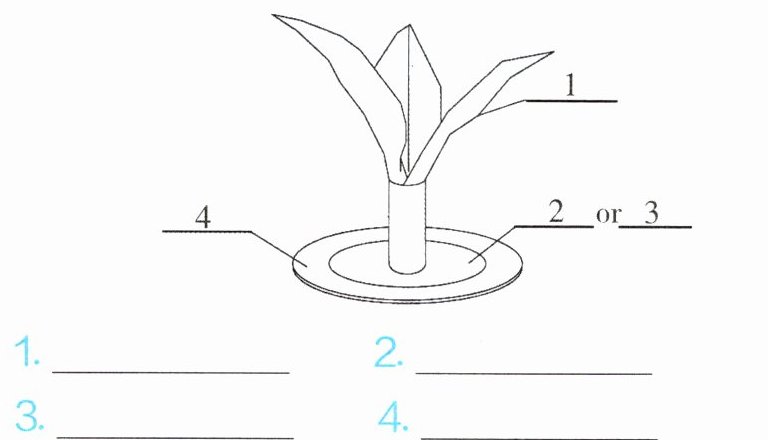
1. (
2. (
3. (
4. (
Jianzi is a traditional Chinese sport, with a long history of over 2,000 years. It shares the same origin (起源) with British football. Both of them come from the ancient Chinese game—cuju.
Jianzi kicking has been a popular activity in China. People of all ages enjoy playing it, either old or young. People can play it alone or in groups. The rule is simple: Keep jianzi in the air by using any part of your body except your hands.
A traditional jianzi is made of feathers (羽毛), coins and cloth. Soft and light feathers are often chosen to make jianzi jump higher. In order to make the feather last longer, people would put the feather in the water with Sichuan pepper for some days. It's said that pepper can protect feathers from insects. Modern jianzi uses rubber (橡胶) to carry the feather to cut down cost. But in the past, people liked to use coins with holes to carry the feather, as coins meant wealth and good luck. Then feathers were sewn (缝) on the coin with cloth, because ancient people believed that wealth shouldn't be shown to others.
Jianzi has been considered as a Chinese national treasure. Today, kicking jianzi is not only for fun but also a way of passing down traditional art.
1. According to the passage, which of the following sentences is TRUE?
(
D
)2. Why does modern jianzi use rubber?
(
C
)3. Why did people like to use coins with cloth to make jianzi in the past?
(
B
)4. What's Paragraph 3 mainly about?
(
C
)实验班提优训练 英语九年级 上 WYS
任务2 实验班原创 阅读短文,在空格处填入适当的单词
1. (
feathers
)2. (
coins
)3. (
rubber
)4. (
cloth
)
答案:
任务1
1. **答案**:D
解析**:
选项A:根据“It shares the same origin (起源) with British football.”可知英国足球和毽子起源相同,A错误。
选项B:根据“People of all ages enjoy playing it, either old or young.”可知老少都喜欢踢毽子,B错误。
选项C:根据“People can play it alone or in groups.”可知人们可以单独或组队玩,C错误。
选项D:根据“Keep jianzi in the air by using any part of your body except your hands.”可知踢毽子时不能用手,D正确。
2. **答案**:C
解析**:根据“Modern jianzi uses rubber (橡胶) to carry the feather to cut down cost.”可知现代毽子用橡胶是为了降低成本,C正确。
3. **答案**:B
解析**:根据“But in the past, people liked to use coins with holes to carry the feather, as coins meant wealth and good luck.”可知过去人们用带孔的硬币是因为硬币意味着财富和好运,B正确。
4. **答案**:C
解析**:第三段主要讲了传统毽子由羽毛、硬币和布制成,现代毽子用橡胶等,即毽子是由什么制成的,C正确。
任务2
1. **答案**:feathers
2. **答案**:coins
3. **答案**:rubber
4. **答案**:cloth
根据文中“A traditional jianzi is made of feathers (羽毛), coins and cloth. Modern jianzi uses rubber (橡胶) to carry the feather”可知,图中1是羽毛(feathers),2和3是硬币(coins)或橡胶(rubber),4是布(cloth)。
1. **答案**:D
解析**:
选项A:根据“It shares the same origin (起源) with British football.”可知英国足球和毽子起源相同,A错误。
选项B:根据“People of all ages enjoy playing it, either old or young.”可知老少都喜欢踢毽子,B错误。
选项C:根据“People can play it alone or in groups.”可知人们可以单独或组队玩,C错误。
选项D:根据“Keep jianzi in the air by using any part of your body except your hands.”可知踢毽子时不能用手,D正确。
2. **答案**:C
解析**:根据“Modern jianzi uses rubber (橡胶) to carry the feather to cut down cost.”可知现代毽子用橡胶是为了降低成本,C正确。
3. **答案**:B
解析**:根据“But in the past, people liked to use coins with holes to carry the feather, as coins meant wealth and good luck.”可知过去人们用带孔的硬币是因为硬币意味着财富和好运,B正确。
4. **答案**:C
解析**:第三段主要讲了传统毽子由羽毛、硬币和布制成,现代毽子用橡胶等,即毽子是由什么制成的,C正确。
任务2
1. **答案**:feathers
2. **答案**:coins
3. **答案**:rubber
4. **答案**:cloth
根据文中“A traditional jianzi is made of feathers (羽毛), coins and cloth. Modern jianzi uses rubber (橡胶) to carry the feather”可知,图中1是羽毛(feathers),2和3是硬币(coins)或橡胶(rubber),4是布(cloth)。
查看更多完整答案,请扫码查看

