

 搜索
搜索
第58页
- 第1页
- 第2页
- 第3页
- 第4页
- 第5页
- 第6页
- 第7页
- 第8页
- 第9页
- 第10页
- 第11页
- 第12页
- 第13页
- 第14页
- 第15页
- 第16页
- 第17页
- 第18页
- 第19页
- 第20页
- 第21页
- 第22页
- 第23页
- 第24页
- 第25页
- 第26页
- 第27页
- 第28页
- 第29页
- 第30页
- 第31页
- 第32页
- 第33页
- 第34页
- 第35页
- 第36页
- 第37页
- 第38页
- 第39页
- 第40页
- 第41页
- 第42页
- 第43页
- 第44页
- 第45页
- 第46页
- 第47页
- 第48页
- 第49页
- 第50页
- 第51页
- 第52页
- 第53页
- 第54页
- 第55页
- 第56页
- 第57页
- 第58页
- 第59页
- 第60页
- 第61页
- 第62页
- 第63页
- 第64页
- 第65页
- 第66页
- 第67页
- 第68页
- 第69页
- 第70页
- 第71页
- 第72页
- 第73页
- 第74页
- 第75页
- 第76页
- 第77页
- 第78页
- 第79页
- 第80页
- 第81页
- 第82页
- 第83页
- 第84页
- 第85页
- 第86页
- 第87页
- 第88页
- 第89页
- 第90页
- 第91页
- 第92页
- 第93页
- 第94页
- 第95页
- 第96页
- 第97页
- 第98页
- 第99页
- 第100页
- 第101页
- 第102页
- 第103页
- 第104页
- 第105页
- 第106页
- 第107页
- 第108页
- 第109页
- 第110页
- 第111页
- 第112页
- 第113页
- 第114页
- 第115页
- 第116页
- 第117页
- 第118页
- 第119页
- 第120页
- 第121页
- 第122页
- 第123页
- 第124页
- 第125页
- 第126页
- 第127页
- 第128页
- 第129页
- 第130页
- 第131页
- 第132页
- 第133页
- 第134页
- 第135页
- 第136页
- 第137页
- 第138页
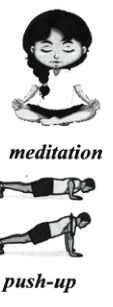
Meditation is one kind of exercise in controlling attention. Meditators use some practices, like keeping focus on breathing, to strengthen the ability to take control over what their minds are doing. While meditators have long experienced its benefits, science only recently discovered that the mental effort of meditation is good exercise for the brain.
Meditation has much to do with cognition, a term to describe the thought processes inside our heads (like focusing, making decisions, and remembering) that allow us to understand the world. Meditators are really good at using several cognitive abilities to stay focused. When they learn that their minds wander(走神), they quickly bring their attention back, which is like doing a mental push - up. All these mental push - ups end up strengthening their ability to change their thoughts based on what they are doing right now, like changing from doing math to reading when they go to different classes.
Groups of brain areas that communicate are called brain networks, and the health of the brain depends on the ability of brain networks to communicate well. Science has shown that meditation can improve sustained attention, which is how well a person can keep their attention on something hard for a long time. Scientists can measure improvements in sustained attention by looking for increases in certain brain waves, using EEG(脑电图). It proves that meditation can make the brain areas involved in attention communicate with each other more easily.
Meditation can even change the way that meditators' brain networks communicate, by bringing new, helpful brain areas into the conversation or getting rid of a brain area that is too loud and distracting(分心的). As a result, meditators get better at focusing their attention away from negative thoughts and feelings and putting themselves into a good mood.
These changes take a long time and a lot of work. People need to make meditation a habit and guidance from a teacher can be helpful. Yet, not everyone can afford a personal teacher. That’s where technology steps in. Scientists have made apps that provide tips and help people meditate at their own levels. While some digital meditation apps have been carefully studied by scientists, some need to be tested. So, it is important to be careful at first about whether an app really works.
1. According to the passage, when people meditate, they ________.
A. try to control their focus
B. focus on what goes around
C. make important decisions
D. develop the ability to communicate
2. What can we learn from the passage?
A. Meditators end their practice when their minds wander.
B. Meditation makes it possible for people to have happier moods.
C. Certain brain waves decrease when sustained attention improves.
D. Digital meditation apps work better than personal meditation teachers.
3. What might be the best title for the passage?
A. How does meditation benefit the brain?
B. How do people make meditation a habit?
C. How does technology improve meditation?
D. How do meditators better their mental health?
篇章结构助攻
Para. 1 What is meditation { ●one kind of exercise in 1.________ attention
●good exercise for the 2.________ }
Para. 2 - Para. 4 The benefits of meditation { ●make meditators good at using several cognitive abilities to stay 3.________ and strengthen their ability to change their thoughts based on what they are doing right now (Para. 2)
●improve sustained attention and make the brain areas involved in attention communicate with each other more 4.________ and improve the health of brain (Para. 3)
●make meditators get better at focusing their attention away from negative thoughts and feelings and putting themselves into a good 5.________ (Para. 4) }
Para. 5 How to learn meditation { ●Make meditation a habit.
●Guidance from a 6.________ can be helpful.
●7.________ made by scientists can provide tips and help people meditate at their own levels. }
长难句解惑
1. Meditators use some practices, like keeping focus on breathing, to strengthen the ability to take control over what their minds are doing.
(1)圈出连接并列分句的连词/从句引导词,在主语和谓语动词下画线,并用斜线划分并列分句/主从句。
(2)翻译:______________________________
2. All these mental push - ups end up strengthening their ability to change their thoughts based on what they are doing right now, like changing from doing math to reading when they go to different classes.
(1)圈出连接并列分句的连词/从句引导词,在主语和谓语动词下画线,并用斜线划分并列分句/主从句。
(2)翻译:______________________________
3. Science has shown that meditation can improve sustained attention, which is how well a person can keep their attention on something hard for a long time.
(1)圈出连接并列分句的连词/从句引导词,在主语和谓语动词下画线,并用斜线划分并列分句/主从句。
(2)翻译:______________________________
4. Meditation can even change the way that meditators' brain networks communicate, by bringing new, helpful brain areas into the conversation or getting rid of a brain area that is too loud and distracting(分心的).
(1)圈出连接并列分句的连词/从句引导词,在主语和谓语动词下画线,并用斜线划分并列分句/主从句。
(2)翻译:______________________________
一词多义
根据文章内容,选择下列词(文章中的粗体词)在文中的词义。
1. experience ______ A. (v.)经历 B. (v.)体验 C. (n.)经验;实践
2. while ______ A. (conj.)在……期间 B. (conj.)尽管
3. work ______ A. (v.)工作;劳动 B. (v.)管理;经营 C. (v.)运转 D. (v.)奏效
词块积累
·keep focus on 保持专注于 ·sustained attention 持续的注意力
·take control over 控制 ·(be) involved in 涉及;参与
·have much to do with 与……有很大关系 ·get rid of 摆脱……
·the thought processes 思维过程 ·as a result 结果
·bring their attention back 把他们的注意力拉回来 ·away from 远离;离开
·stay focused 保持专注 ·put...into a good mood 使……有好心情
·end up doing sth. 以……告终 ·make meditation a habit 让冥想成为一种习惯
·(be) based on 以……为基础 ·step in 介入
答案:
专项训练6 主旨大意 本文通过解释冥想的工作原理来说明冥想的好处及如何学习冥想。 1. A 【解析】细节理解题。根据第1段前两句“Meditation...controlling attention. Meditators...keeping focus...are doing.”可知,冥想是一种控制注意力的训练,冥想者可以应用一些练习来加强控制自己思维活动的能力。故选A。 2. B 【解析】推理判断题。根据第4段最后一句“As a result...into a good mood.”可知,冥想者能更好地集中注意力,远离消极的想法和感受,让自己处于良好的情绪之中。因此,冥想可以让人们有更快乐的心情。故选B。 3. A 【解析】主旨大意题。第1段总述冥想对大脑有好处,第2段介绍冥想有助于大脑保持专注,第3段介绍冥想有助于改善大脑健康,第4段介绍冥想通过控制注意力改善情绪,第5段介绍如何学习冥想,使自己获益。综上所述,文章主要介绍冥想对大脑的好处。故选A。 ●篇章结构助攻 1.controlling 2.brain 3.focused 4.easily 5.mood 6.teacher 7.Apps ●长难句解惑 1.(1)Meditators use some practices, like keeping focus on breathing, to strengthen the ability to take control over / what their minds are doing.(2)冥想者使用一些练习,比如专注于呼吸,来加强控制自己思维活动的能力。 2.(1)All these mental push - ups end up strengthening their ability to change their thoughts based on / what they are doing right now, like changing from doing math to reading / when they go to different classes.(2)所有这些心理上的俯卧撑最终会加强他们根据当下正在做的事情来改变想法的能力,比如当他们去上不同的课时,从做数学题切换成阅读。 3.(1)Science has shown / that meditation can improve sustained attention, / which is / how well a person can keep their attention on something hard for a long time.(2)科学已经表明冥想可以提高持续的注意力,即一个人能在长时间内把注意力集中在某件困难的事情上的程度。 4.(1)Meditation can even change the way / that meditators’ brain networks communicate, by bringing new, helpful brain areas into the conversation or getting rid of a brain area / that is too loud and distracting.(2)冥想甚至可以通过让新的、有益的大脑区域参与进来,或者消除那些过于活跃且分散注意力的大脑区域,来改变冥想者大脑网络的交流方式。 ●一词多义 1.B 2.B 3.D
查看更多完整答案,请扫码查看

