

 搜索
搜索
第29页
- 第1页
- 第2页
- 第3页
- 第4页
- 第5页
- 第6页
- 第7页
- 第8页
- 第9页
- 第10页
- 第11页
- 第12页
- 第13页
- 第14页
- 第15页
- 第16页
- 第17页
- 第18页
- 第19页
- 第20页
- 第21页
- 第22页
- 第23页
- 第24页
- 第25页
- 第26页
- 第27页
- 第28页
- 第29页
- 第30页
- 第31页
- 第32页
- 第33页
- 第34页
- 第35页
- 第36页
- 第37页
- 第38页
- 第39页
- 第40页
- 第41页
- 第42页
- 第43页
- 第44页
- 第45页
- 第46页
- 第47页
- 第48页
- 第49页
- 第50页
- 第51页
- 第52页
- 第53页
- 第54页
- 第55页
- 第56页
- 第57页
- 第58页
- 第59页
- 第60页
- 第61页
- 第62页
- 第63页
- 第64页
- 第65页
- 第66页
- 第67页
- 第68页
- 第69页
- 第70页
- 第71页
- 第72页
- 第73页
- 第74页
- 第75页
- 第76页
- 第77页
- 第78页
- 第79页
- 第80页
A(台州中考改编)
Dear Erik,
Surprise! I believe you didn't expect a note from your mum in your lunchbox! I hope your school day is going well. You always do your best. Because I had to leave so early this morning, I wrote this note last night and put it into your lunchbox to wish you well on your speech(演讲)today. With all of your amazing research, writing and practice, you are going to do great!
I know that you get a little nervous talking in front of large groups—everybody does. But just remember what you practised and you just might forget about being nervous.
Here are a few tips for you:
1. Make eye contact. When you give a talk, look directly at your classmates.
2. Speak clearly and slowly.
3. Look at your notecards only when you have to.
4. Enjoy yourself! Once you are in front of the class, pretend(假装)that you are an expert on your topic and that everyone is listening carefully.
Well, that's all for now. Do your best and be brave like George Washington. He was an excellent choice for your speech.
Good luck!
Love,
Mum
1. Where did Erik probably find this note?
A. In his house. B. In his book.
C. In his wallet. D. In his lunchbox.
2. What was Erik mainly going to do in school that day?
A. To give a speech.
B. To research his topic.
C. To have ice cream.
D. To write some notecards.
3. Which of the following best explains the meaning of the underlined sentence in the text?
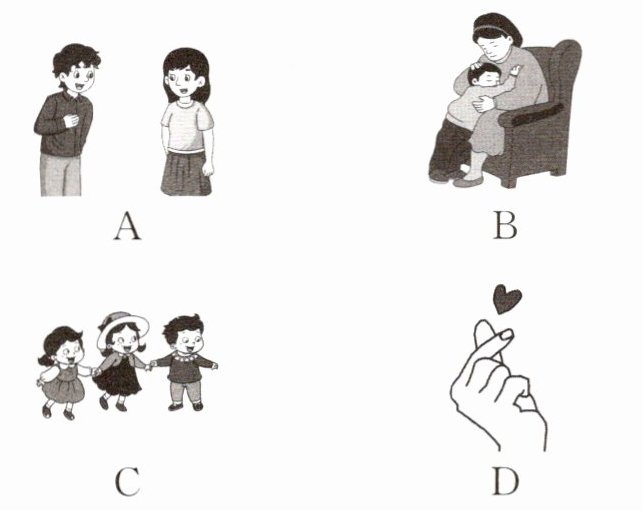
Dear Erik,
Surprise! I believe you didn't expect a note from your mum in your lunchbox! I hope your school day is going well. You always do your best. Because I had to leave so early this morning, I wrote this note last night and put it into your lunchbox to wish you well on your speech(演讲)today. With all of your amazing research, writing and practice, you are going to do great!
I know that you get a little nervous talking in front of large groups—everybody does. But just remember what you practised and you just might forget about being nervous.
Here are a few tips for you:
1. Make eye contact. When you give a talk, look directly at your classmates.
2. Speak clearly and slowly.
3. Look at your notecards only when you have to.
4. Enjoy yourself! Once you are in front of the class, pretend(假装)that you are an expert on your topic and that everyone is listening carefully.
Well, that's all for now. Do your best and be brave like George Washington. He was an excellent choice for your speech.
Good luck!
Love,
Mum
1. Where did Erik probably find this note?
A. In his house. B. In his book.
C. In his wallet. D. In his lunchbox.
2. What was Erik mainly going to do in school that day?
A. To give a speech.
B. To research his topic.
C. To have ice cream.
D. To write some notecards.
3. Which of the following best explains the meaning of the underlined sentence in the text?
答案:
A. 1. D 细节理解题。由第一段中的“I believe you didn't expect a note from your mum in your lunchbox!”可知,埃里克会在午餐盒里发现妈妈写的便条。
2. A 细节理解题。由第一段中“... to wish you well on your speech today.”可知,埃里克那天要做演讲。
3. A 推理判断题。由画线句子的下句“When you give a talk, look directly at your classmates.”可知,此处指“眼神交流”。
2. A 细节理解题。由第一段中“... to wish you well on your speech today.”可知,埃里克那天要做演讲。
3. A 推理判断题。由画线句子的下句“When you give a talk, look directly at your classmates.”可知,此处指“眼神交流”。
B(福建中考)
Anna Brown was an artist who believed that it was important to help others. When she heard of a summer camp for children with serious illnesses, she came up with an idea. It cost money for these kids to go to the camp, so Anna decided to see what she could do to help. It was impossible for her to donate(捐赠)a lot of money, so she had to think of another way.
She wanted to take advantage of her love of art. So she started making and selling beautiful cards to raise money for these kids. Because these cards were all handmade, it would take her a long time to make a lot of them. So Anna had another idea. She started inviting friends to her house to help her make the cards. At first her friends were hesitant. Many said that they were not artistic and didn't know how to make cards. But once they saw the beautiful materials that she had in her workroom, her friends felt more comfortable doing things such as drawing and cutting in order to make a new card.
But the materials were expensive. To make money without spending money, Anna asked for and got donations of paper, glue, scissors and other things from nearby stores. She sold her cards for three dollars each in different art markets during the year. Anna raised more than 30,000 in her 10 years making cards.
4. What did Anna invite her friends to do?
A. Sell cards. B. Make cards.
C. Buy materials. D. Donate materials.
5. What does the underlined word “hesitant” in Paragraph 2 mean in Chinese?
A. 坐立不安的 B. 犹豫不决的
C. 兴高采烈的 D. 心甘情愿的
6. Which of the following can best describe Anna?
A. Kind-hearted. B. Polite.
C. Brave. D. Humorous.
Anna Brown was an artist who believed that it was important to help others. When she heard of a summer camp for children with serious illnesses, she came up with an idea. It cost money for these kids to go to the camp, so Anna decided to see what she could do to help. It was impossible for her to donate(捐赠)a lot of money, so she had to think of another way.
She wanted to take advantage of her love of art. So she started making and selling beautiful cards to raise money for these kids. Because these cards were all handmade, it would take her a long time to make a lot of them. So Anna had another idea. She started inviting friends to her house to help her make the cards. At first her friends were hesitant. Many said that they were not artistic and didn't know how to make cards. But once they saw the beautiful materials that she had in her workroom, her friends felt more comfortable doing things such as drawing and cutting in order to make a new card.
But the materials were expensive. To make money without spending money, Anna asked for and got donations of paper, glue, scissors and other things from nearby stores. She sold her cards for three dollars each in different art markets during the year. Anna raised more than 30,000 in her 10 years making cards.
4. What did Anna invite her friends to do?
A. Sell cards. B. Make cards.
C. Buy materials. D. Donate materials.
5. What does the underlined word “hesitant” in Paragraph 2 mean in Chinese?
A. 坐立不安的 B. 犹豫不决的
C. 兴高采烈的 D. 心甘情愿的
6. Which of the following can best describe Anna?
A. Kind-hearted. B. Polite.
C. Brave. D. Humorous.
答案:
B. 4. B 细节理解题。由第二段中的“She started inviting friends to her house to help her make the cards.”可知,她邀请朋友们来家里制作卡片。
5. B 词义猜测题。由画线单词所在句子的下句“Many said that they were not artistic and didn't know how to make cards.”可知,一开始,朋友们说他们没有美术才能,不知道如何制作卡片,他们应该是很犹豫的。所以可推断出画线词 hesitant 意为“犹豫不决的”。
6. A 推理判断题。通读全文可知,安娜为了给重病儿童参加夏令营筹钱,想出了制作手工卡片筹钱这一方法,说明安娜很善良。
5. B 词义猜测题。由画线单词所在句子的下句“Many said that they were not artistic and didn't know how to make cards.”可知,一开始,朋友们说他们没有美术才能,不知道如何制作卡片,他们应该是很犹豫的。所以可推断出画线词 hesitant 意为“犹豫不决的”。
6. A 推理判断题。通读全文可知,安娜为了给重病儿童参加夏令营筹钱,想出了制作手工卡片筹钱这一方法,说明安娜很善良。
查看更多完整答案,请扫码查看

