

 搜索
搜索
2025年刷考点新英语时文话题阅读七年级英语上册人教版安徽专版
注:目前有些书本章节名称可能整理的还不是很完善,但都是按照顺序排列的,请同学们按照顺序仔细查找。练习册 2025年刷考点新英语时文话题阅读七年级英语上册人教版安徽专版 答案主要是用来给同学们做完题方便对答案用的,请勿直接抄袭。
第69页
- 第1页
- 第2页
- 第3页
- 第4页
- 第5页
- 第6页
- 第7页
- 第8页
- 第9页
- 第10页
- 第11页
- 第12页
- 第13页
- 第14页
- 第15页
- 第16页
- 第17页
- 第18页
- 第19页
- 第20页
- 第21页
- 第22页
- 第23页
- 第24页
- 第25页
- 第26页
- 第27页
- 第28页
- 第29页
- 第30页
- 第31页
- 第32页
- 第33页
- 第34页
- 第35页
- 第36页
- 第37页
- 第38页
- 第39页
- 第40页
- 第41页
- 第42页
- 第43页
- 第44页
- 第45页
- 第46页
- 第47页
- 第48页
- 第49页
- 第50页
- 第51页
- 第52页
- 第53页
- 第54页
- 第55页
- 第56页
- 第57页
- 第58页
- 第59页
- 第60页
- 第61页
- 第62页
- 第63页
- 第64页
- 第65页
- 第66页
- 第67页
- 第68页
- 第69页
- 第70页
- 第71页
- 第72页
- 第73页
- 第74页
- 第75页
- 第76页
第一部分 完形填空(共10小题;每小题1分,满分10分)
阅读下面短文,从每小题所给的A、B、C、D四个选项中选出可以填入空白处的最佳选项。
主题:人与社会·来自太阳的"小调皮":太空天气如何"扰乱"我们的生活 体裁:记叙文 词数:209 难度:★★★☆ 建议用时:6 mins
 pace weather, coming from the sun's activity, influences(影响) our daily lives in many ways. A 1 explains that geomagnetic storms(地磁风暴) are a common form. These storms 2 break satellite signals(卫星信号). So, your phone's GPS might go wrong, and you could get lost easily.
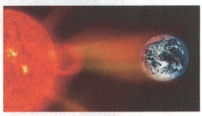
The sun 3 as usual every day. Yet strong space weather can break power grids(电网). This sometimes makes blackouts(停电) in cities. Then, people can't use lights 4 watch TV at home.
We all have morning 5 : someone 6 teeth, gets dressed, and takes a shower. But bad space weather can mess with these calm mornings. Some phone signals get weak, and it makes the phone in your room 7 working.
Scientists study space weather to predict(预测) these things. We should 8 their study. 9 bad weather is coming, it's wise to take a break from using easily - broken machines. It is time for us to 10 about this invisible(无形的) influence. It connects(连接) the far - away sun with our daily life!
1. A. reporter
B. teacher
C. doctor
D. worker
2. A. usually
B. often
C. sometimes
D. hardly
3. A. rises
B. raises
C. gets
D. arrives
4. A. but
B. so
C. or
D. and
5. A. habits
B. routines
C. sports
D. games
6. A. brushes
B. rises
C. washes
D. cleans
7. A. to stop
B. stop
C. stops
D. stopping
8. A. make use of
B. look for
C. take care of
D. put away
9. A. Because
B. After
C. If
D. When
10. A. talk
B. think
C. worry
D. learn
阅读下面短文,从每小题所给的A、B、C、D四个选项中选出可以填入空白处的最佳选项。
主题:人与社会·来自太阳的"小调皮":太空天气如何"扰乱"我们的生活 体裁:记叙文 词数:209 难度:★★★☆ 建议用时:6 mins
pace weather, coming from the sun's activity, influences(影响) our daily lives in many ways. A 1 explains that geomagnetic storms(地磁风暴) are a common form. These storms 2 break satellite signals(卫星信号). So, your phone's GPS might go wrong, and you could get lost easily.The sun 3 as usual every day. Yet strong space weather can break power grids(电网). This sometimes makes blackouts(停电) in cities. Then, people can't use lights 4 watch TV at home.
We all have morning 5 : someone 6 teeth, gets dressed, and takes a shower. But bad space weather can mess with these calm mornings. Some phone signals get weak, and it makes the phone in your room 7 working.
Scientists study space weather to predict(预测) these things. We should 8 their study. 9 bad weather is coming, it's wise to take a break from using easily - broken machines. It is time for us to 10 about this invisible(无形的) influence. It connects(连接) the far - away sun with our daily life!
1. A. reporter
B. teacher
C. doctor
D. worker
2. A. usually
B. often
C. sometimes
D. hardly
3. A. rises
B. raises
C. gets
D. arrives
4. A. but
B. so
C. or
D. and
5. A. habits
B. routines
C. sports
D. games
6. A. brushes
B. rises
C. washes
D. cleans
7. A. to stop
B. stop
C. stops
D. stopping
8. A. make use of
B. look for
C. take care of
D. put away
9. A. Because
B. After
C. If
D. When
10. A. talk
B. think
C. worry
D. learn
答案:
1.A 【解析】“reporter”意为“记者”,根据常识可知,解释地磁风暴这种现象的通常是记者,teacher(教师)、doctor(医生)、worker(工人)均不符合语境。
2.C 【解析】“sometimes”表示“有时”,根据后文“your phone’s GPS might go wrong”中的“might”可知,地磁风暴不是经常或通常干扰卫星信号,只是偶尔,usually(通常)、often(经常)、hardly(几乎不)均不合适。
3.A 【解析】“rises”表示“升起”,指太阳每天照常升起,是自然现象;raises是及物动词,意为“举起;提高”;gets(得到)、arrives(到达)不符合太阳升起的表达。
4.C 【解析】否定句中连接并列成分用“or”,表示“人们在家里不能使用灯和看电视”,but(但是)表转折,so(所以)表因果,and用于肯定句连接并列成分。
5.B 【解析】“routines”意为“日常活动;常规”,后文“brushes teeth,gets dressed,and takes a shower”描述的是早晨的日常活动;habits强调个人习惯,
sports(运动)、games(游戏)不符合语境。
6.A 【解析】“brush teeth”是固定短语,意为“刷牙”;rises(升起)、washes(洗)、cleans(打扫)均不能与“teeth”构成正确搭配。
7.B 【解析】“make sb./sth. do sth.”是固定用法,意为“使某人/某物做某事”,所以用动词原形 stop,表示“使房间里的手机停止工作”。
8.A 【解析】“make use of”意为“利用”,符合语境“我们应该利用他们的研究”;look for(寻找)、take care of(照顾)、put away(收起;放好)均不符合文意。
9.D 【解析】“When”引导时间状语从句,表示“当风暴来临时”;Because(因为)引导原因状语从句,After(在……之后)逻辑不符,If(如果)引导条件状语从句,这里强调时间,选 When更合适。
10.D 【解析】“learn about”意为“了解”,表示“是我们了解这种无形影响的时候了”;talk(谈论)、think(思考)、worry(担心)语义不符合语境。
2.C 【解析】“sometimes”表示“有时”,根据后文“your phone’s GPS might go wrong”中的“might”可知,地磁风暴不是经常或通常干扰卫星信号,只是偶尔,usually(通常)、often(经常)、hardly(几乎不)均不合适。
3.A 【解析】“rises”表示“升起”,指太阳每天照常升起,是自然现象;raises是及物动词,意为“举起;提高”;gets(得到)、arrives(到达)不符合太阳升起的表达。
4.C 【解析】否定句中连接并列成分用“or”,表示“人们在家里不能使用灯和看电视”,but(但是)表转折,so(所以)表因果,and用于肯定句连接并列成分。
5.B 【解析】“routines”意为“日常活动;常规”,后文“brushes teeth,gets dressed,and takes a shower”描述的是早晨的日常活动;habits强调个人习惯,
sports(运动)、games(游戏)不符合语境。
6.A 【解析】“brush teeth”是固定短语,意为“刷牙”;rises(升起)、washes(洗)、cleans(打扫)均不能与“teeth”构成正确搭配。
7.B 【解析】“make sb./sth. do sth.”是固定用法,意为“使某人/某物做某事”,所以用动词原形 stop,表示“使房间里的手机停止工作”。
8.A 【解析】“make use of”意为“利用”,符合语境“我们应该利用他们的研究”;look for(寻找)、take care of(照顾)、put away(收起;放好)均不符合文意。
9.D 【解析】“When”引导时间状语从句,表示“当风暴来临时”;Because(因为)引导原因状语从句,After(在……之后)逻辑不符,If(如果)引导条件状语从句,这里强调时间,选 When更合适。
10.D 【解析】“learn about”意为“了解”,表示“是我们了解这种无形影响的时候了”;talk(谈论)、think(思考)、worry(担心)语义不符合语境。
查看更多完整答案,请扫码查看

