

 搜索
搜索
第81页
- 第1页
- 第2页
- 第3页
- 第4页
- 第5页
- 第6页
- 第7页
- 第8页
- 第9页
- 第10页
- 第11页
- 第12页
- 第13页
- 第14页
- 第15页
- 第16页
- 第17页
- 第18页
- 第19页
- 第20页
- 第21页
- 第22页
- 第23页
- 第24页
- 第25页
- 第26页
- 第27页
- 第28页
- 第29页
- 第30页
- 第31页
- 第32页
- 第33页
- 第34页
- 第35页
- 第36页
- 第37页
- 第38页
- 第39页
- 第40页
- 第41页
- 第42页
- 第43页
- 第44页
- 第45页
- 第46页
- 第47页
- 第48页
- 第49页
- 第50页
- 第51页
- 第52页
- 第53页
- 第54页
- 第55页
- 第56页
- 第57页
- 第58页
- 第59页
- 第60页
- 第61页
- 第62页
- 第63页
- 第64页
- 第65页
- 第66页
- 第67页
- 第68页
- 第69页
- 第70页
- 第71页
- 第72页
- 第73页
- 第74页
- 第75页
- 第76页
- 第77页
- 第78页
- 第79页
- 第80页
- 第81页
- 第82页
- 第83页
- 第84页
- 第85页
- 第86页
- 第87页
- 第88页
- 第89页
- 第90页
- 第91页
- 第92页
- 第93页
- 第94页
- 第95页
- 第96页
- 第97页
- 第98页
- 第99页
- 第100页
- 第101页
- 第102页
- 第103页
- 第104页
- 第105页
- 第106页
- 第107页
- 第108页
- 第109页
- 第110页
- 第111页
- 第112页
- 第113页
- 第114页
- 第115页
- 第116页
- 第117页
- 第118页
- 第119页
- 第120页
- 第121页
- 第122页
- 第123页
- 第124页
- 第125页
- 第126页
- 第127页
- 第128页
- 第129页
- 第130页
- 第131页
- 第132页
- 第133页
- 第134页
- 第135页
- 第136页
- 第137页
- 第138页
- 第139页
- 第140页
- 第141页
- 第142页
- 第143页
- 第144页
- 第145页
- 第146页
- 第147页
- 第148页
- 第149页
- 第150页
- 第151页
- 第152页
- 第153页
- 第154页
主题范畴:人与自然(自然生态) 语篇类型:说明文 词数:236 难度:★★★★☆ 建议用时:8分钟 参考答案:P217
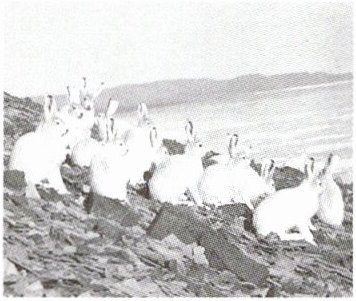 An Arctic rabbit (北极兔) on Canada’s northernmost island has surprised researchers by making the longest recorded journey by a lagomorph (兔类动物).
According to a study, the rabbit named BBYY traveled over 240 miles in 49 days—that’s around the same distance (距离) as from London to Newcastle. The unbelievable journey has changed scientists’ understanding of Arctic rabbits which are the world’s heaviest and most northern-living lagomorphs. In the past, not much was known about how far they traveled. But most of them don’t travel far from their homes, usually traveling no more than 20 miles.
To find out how far Arctic rabbits were moving, researchers fixed trackers(跟踪器) to 25 rabbits on Ellesmere Island. The trackers showed that 20 of the rabbits traveled at least 70 miles south from their starting location called Alert to Lake Hazen, where most of them seemed to stop. However, BBYY went to the lake, carried on some way further south, and then turned around and came back to Alert. She even covered 20 miles in a day at most.
The scientists are not sure exactly why the rabbits make such a long journey, but it is thought they are in search of food. They say that more research is needed to work out if the animals are migratory(迁徙的). Finding out more about Arctic rabbits’ movements and the areas they visit could help to protect them in the future.
① How far is it from London to Newcastle?
A. No more than 20 miles.
B. About 49 miles.
C. At least 70 miles.
D. More than 240 miles.
② Which of the following about Arctic rabbits is TRUE?
A. Most of them feed at night.
B. They live in the center of the Arctic.
C. Most of them don’t leave far from their homes.
D. They are the heaviest animals in the world.
③ Why did researchers put trackers on rabbits from Ellesmere Island?
A. To find the lost rabbits.
B. To test their new trackers.
C. To know these rabbits’ moving distances.
D. To find out the exact location of these rabbits.
④ Which paragraph tells us the traveling process of BBYY?
A. Paragraph 1.
B. Paragraph 2.
C. Paragraph 3.
D. Paragraph 4.
⑤ What can we know from the last paragraph?
A. The history of Arctic rabbits is unclear.
B. Arctic rabbits are migratory.
C. People need to offer more areas to Arctic rabbits.
D. Scientists will do more research on Arctic rabbits.
An Arctic rabbit (北极兔) on Canada’s northernmost island has surprised researchers by making the longest recorded journey by a lagomorph (兔类动物).According to a study, the rabbit named BBYY traveled over 240 miles in 49 days—that’s around the same distance (距离) as from London to Newcastle. The unbelievable journey has changed scientists’ understanding of Arctic rabbits which are the world’s heaviest and most northern-living lagomorphs. In the past, not much was known about how far they traveled. But most of them don’t travel far from their homes, usually traveling no more than 20 miles.
To find out how far Arctic rabbits were moving, researchers fixed trackers(跟踪器) to 25 rabbits on Ellesmere Island. The trackers showed that 20 of the rabbits traveled at least 70 miles south from their starting location called Alert to Lake Hazen, where most of them seemed to stop. However, BBYY went to the lake, carried on some way further south, and then turned around and came back to Alert. She even covered 20 miles in a day at most.
The scientists are not sure exactly why the rabbits make such a long journey, but it is thought they are in search of food. They say that more research is needed to work out if the animals are migratory(迁徙的). Finding out more about Arctic rabbits’ movements and the areas they visit could help to protect them in the future.
① How far is it from London to Newcastle?
A. No more than 20 miles.
B. About 49 miles.
C. At least 70 miles.
D. More than 240 miles.
② Which of the following about Arctic rabbits is TRUE?
A. Most of them feed at night.
B. They live in the center of the Arctic.
C. Most of them don’t leave far from their homes.
D. They are the heaviest animals in the world.
③ Why did researchers put trackers on rabbits from Ellesmere Island?
A. To find the lost rabbits.
B. To test their new trackers.
C. To know these rabbits’ moving distances.
D. To find out the exact location of these rabbits.
④ Which paragraph tells us the traveling process of BBYY?
A. Paragraph 1.
B. Paragraph 2.
C. Paragraph 3.
D. Paragraph 4.
⑤ What can we know from the last paragraph?
A. The history of Arctic rabbits is unclear.
B. Arctic rabbits are migratory.
C. People need to offer more areas to Arctic rabbits.
D. Scientists will do more research on Arctic rabbits.
答案:
① D ② C ③ C ④ C ⑤ D
查看更多完整答案,请扫码查看

