

 搜索
搜索
第15页
- 第1页
- 第2页
- 第3页
- 第4页
- 第5页
- 第6页
- 第7页
- 第8页
- 第9页
- 第10页
- 第11页
- 第12页
- 第13页
- 第14页
- 第15页
- 第16页
- 第17页
- 第18页
- 第19页
- 第20页
- 第21页
- 第22页
- 第23页
- 第24页
- 第25页
- 第26页
- 第27页
- 第28页
- 第29页
- 第30页
- 第31页
- 第32页
- 第33页
- 第34页
- 第35页
- 第36页
- 第37页
- 第38页
- 第39页
- 第40页
- 第41页
- 第42页
- 第43页
- 第44页
- 第45页
- 第46页
- 第47页
- 第48页
- 第49页
- 第50页
- 第51页
- 第52页
- 第53页
- 第54页
- 第55页
- 第56页
- 第57页
- 第58页
- 第59页
- 第60页
- 第61页
- 第62页
- 第63页
- 第64页
- 第65页
- 第66页
- 第67页
- 第68页
- 第69页
- 第70页
- 第71页
- 第72页
- 第73页
- 第74页
- 第75页
- 第76页
- 第77页
- 第78页
- 第79页
- 第80页
- 第81页
- 第82页
- 第83页
- 第84页
- 第85页
- 第86页
- 第87页
- 第88页
- 第89页
- 第90页
- 第91页
- 第92页
- 第93页
- 第94页
- 第95页
- 第96页
- 第97页
- 第98页
- 第99页
- 第100页
- 第101页
- 第102页
- 第103页
- 第104页
- 第105页
- 第106页
- 第107页
- 第108页
- 第109页
- 第110页
- 第111页
- 第112页
- 第113页
- 第114页
- 第115页
- 第116页
- 第117页
- 第118页
- 第119页
- 第120页
- 第121页
- 第122页
- 第123页
- 第124页
- 第125页
- 第126页
- 第127页
- 第128页
- 第129页
- 第130页
- 第131页
- 第132页
- 第133页
- 第134页
- 第135页
- 第136页
- 第137页
- 第138页
- 第139页
- 第140页
- 第141页
- 第142页
- 第143页
- 第144页
- 第145页
- 第146页
- 第147页
- 第148页
- 第149页
- 第150页
- 第151页
- 第152页
- 第153页
- 第154页
主题范畴:人与自我(生活与学习) 语篇类型:说明文 词数:213 难度:★★★☆☆ 建议用时:7 分钟 参考答案:P195
Have you heard the joke about the customer who finds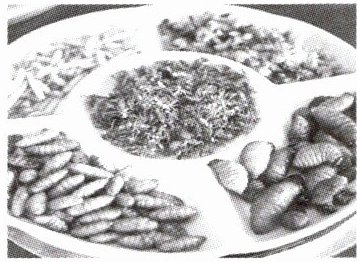 a fly in his soup? "Waiter!" he shouts. "There's a fly in my soup!" The waiter hurries over, saying, "Please, keep your voice down, sir, or everyone will want one!" Who would like to eat a bug(虫子)? You might be surprised.
To those of us who've never eaten a bug, the idea of eating bugs might sound pretty terrible. We wouldn't eat those bugs even if someone encouraged us to do so! Yet lots of bugs are healthful, tasty, and perfectly safe to eat. Are we missing out on a good thing?
In fact, in Australia, South America, Africa, and Asia, eating bugs is no joke. Bugs aren't just pests(害虫). They're lunch or dinner or a nice after-school snack.
Eating bugs is an old habit. Over 10,000 years ago, before humans learned to farm, their food was all hunted and collected. Bugs were considered part of the daily food.
As you've probably noticed, bugs are everywhere. So far, scientists have named about 1 million kinds of bugs, and more than 2,000 are somebody's favorite snack. The most popular bugs to eat are crickets and termites(蟋蟀和白蚁). It is said that they taste like nuts, and lots of other bugs are edible(可食用的) too.
1 How does the writer start the passage?
A. By giving a fact.
B. By asking a question.
C. By listing some numbers.
D. By using a saying.
2 What is the real reason why the waiter asks the customer to lower his voice?
A. The waiter wants to keep the restaurant quiet.
B. The waiter wants to share a secret with the customer.
C. The waiter doesn't want to argue with the customer.
D. The waiter doesn't want other customers to know about the fly.
3 What does the writer want to tell us in Paragraph 2?
A. It's terrible for humans to eat bugs.
B. We should start eating bugs immediately.
C. There aren't enough bugs for people to eat.
D. Many bugs are actually good for people to eat.
4 When did bugs become part of the diet?
A. A few centuries ago.
B. Over 10,000 years ago.
C. After the development of farming.
D. After the appearance of crickets and termites.
5 What's the purpose of the passage?
A. To tell a joke.
B. To warn about the dangers of bugs.
C. To introduce the bug-eating culture.
D. To tell us the advantages of eating bugs.
Have you heard the joke about the customer who finds
a fly in his soup? "Waiter!" he shouts. "There's a fly in my soup!" The waiter hurries over, saying, "Please, keep your voice down, sir, or everyone will want one!" Who would like to eat a bug(虫子)? You might be surprised.To those of us who've never eaten a bug, the idea of eating bugs might sound pretty terrible. We wouldn't eat those bugs even if someone encouraged us to do so! Yet lots of bugs are healthful, tasty, and perfectly safe to eat. Are we missing out on a good thing?
In fact, in Australia, South America, Africa, and Asia, eating bugs is no joke. Bugs aren't just pests(害虫). They're lunch or dinner or a nice after-school snack.
Eating bugs is an old habit. Over 10,000 years ago, before humans learned to farm, their food was all hunted and collected. Bugs were considered part of the daily food.
As you've probably noticed, bugs are everywhere. So far, scientists have named about 1 million kinds of bugs, and more than 2,000 are somebody's favorite snack. The most popular bugs to eat are crickets and termites(蟋蟀和白蚁). It is said that they taste like nuts, and lots of other bugs are edible(可食用的) too.
1 How does the writer start the passage?
A. By giving a fact.
B. By asking a question.
C. By listing some numbers.
D. By using a saying.
2 What is the real reason why the waiter asks the customer to lower his voice?
A. The waiter wants to keep the restaurant quiet.
B. The waiter wants to share a secret with the customer.
C. The waiter doesn't want to argue with the customer.
D. The waiter doesn't want other customers to know about the fly.
3 What does the writer want to tell us in Paragraph 2?
A. It's terrible for humans to eat bugs.
B. We should start eating bugs immediately.
C. There aren't enough bugs for people to eat.
D. Many bugs are actually good for people to eat.
4 When did bugs become part of the diet?
A. A few centuries ago.
B. Over 10,000 years ago.
C. After the development of farming.
D. After the appearance of crickets and termites.
5 What's the purpose of the passage?
A. To tell a joke.
B. To warn about the dangers of bugs.
C. To introduce the bug-eating culture.
D. To tell us the advantages of eating bugs.
答案:
1. B 推理判断题。根据文章第一句“Have you heard the joke about the customer who finds a fly in his soup?”可推知,本文作者通过问问题开篇。
2. D 推理判断题。根据第一段中的“Please, keep your voice down, sir, or everyone will want one!”可知,这个服务员对这位顾客说:“请小声点,先生,否则每个人都会想要一只!”由此可推知,这是一个典型的双关笑话,服务员是在巧妙地化解问题,防止更多顾客知道这件事情。
3. D 段落大意题。通读第二段可知,尽管吃虫子对于许多人来说可能难以接受,但许多虫子是有益健康的、美味的,而且完全可以安全食用。由此可知,D项“实际上,许多虫子对人们来说是适宜食用的”符合本段主旨。
4. B 细节理解题。根据第四段中的“Over 10,000 years ago, before humans learned to farm...Bugs were considered part of the daily food.”可知,在一万多年前,人类还没有学会农耕,当时虫子就已经是饮食的一部分了。
5. C 推理判断题。通读全文可知,本文介绍了吃虫子习俗,并指出吃虫子在许多地区其实是一个普遍且历史悠久的饮食习惯。由此可推知,本文写作目的是介绍吃虫子的文化。
2. D 推理判断题。根据第一段中的“Please, keep your voice down, sir, or everyone will want one!”可知,这个服务员对这位顾客说:“请小声点,先生,否则每个人都会想要一只!”由此可推知,这是一个典型的双关笑话,服务员是在巧妙地化解问题,防止更多顾客知道这件事情。
3. D 段落大意题。通读第二段可知,尽管吃虫子对于许多人来说可能难以接受,但许多虫子是有益健康的、美味的,而且完全可以安全食用。由此可知,D项“实际上,许多虫子对人们来说是适宜食用的”符合本段主旨。
4. B 细节理解题。根据第四段中的“Over 10,000 years ago, before humans learned to farm...Bugs were considered part of the daily food.”可知,在一万多年前,人类还没有学会农耕,当时虫子就已经是饮食的一部分了。
5. C 推理判断题。通读全文可知,本文介绍了吃虫子习俗,并指出吃虫子在许多地区其实是一个普遍且历史悠久的饮食习惯。由此可推知,本文写作目的是介绍吃虫子的文化。
查看更多完整答案,请扫码查看

