

 搜索
搜索
第54页
- 第1页
- 第2页
- 第3页
- 第4页
- 第5页
- 第6页
- 第7页
- 第8页
- 第9页
- 第10页
- 第11页
- 第12页
- 第13页
- 第14页
- 第15页
- 第16页
- 第17页
- 第18页
- 第19页
- 第20页
- 第21页
- 第22页
- 第23页
- 第24页
- 第25页
- 第26页
- 第27页
- 第28页
- 第29页
- 第30页
- 第31页
- 第32页
- 第33页
- 第34页
- 第35页
- 第36页
- 第37页
- 第38页
- 第39页
- 第40页
- 第41页
- 第42页
- 第43页
- 第44页
- 第45页
- 第46页
- 第47页
- 第48页
- 第49页
- 第50页
- 第51页
- 第52页
- 第53页
- 第54页
- 第55页
- 第56页
- 第57页
- 第58页
- 第59页
- 第60页
- 第61页
- 第62页
- 第63页
- 第64页
- 第65页
- 第66页
- 第67页
- 第68页
五、阅读理解
答案 20 - 23
主题:人与社会·历史文化 学科素养:文化意识
体裁:记叙文 词数:约240 建议用时:6分钟
In ancient China, there was a tradition called shu xiu. People gave teachers dried salted meat as a gift to show their respect for teachers.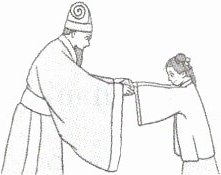
At that time, people didn’t get to eat meat very often because it was expensive. It was so valuable that people could even trade it for other things. So giving teachers dried salted meat as a gift when children started school showed that ancient people respected teachers and valued education highly.
The practice of shu xiu started over 2,000 years ago. And it lasted for many centuries until the Tang Dynasty. Over time, shu xiu took on different forms, and the meaning of it changed as well. Some people used it to refer to the money students paid for their education at school and even called a teacher’s salary(薪水) shu xiu.
In modern times, teachers in China are still highly respected and valued, but the ways of showing thanks to them have changed. People no longer use shu xiu to refer to the money for school or a teacher’s salary.
What’s more, giving teachers dried salted meat as a gift is not common practice any more. Nowadays, students often give gifts like flowers and cards. However, the tradition of shu xiu remains an important part of Chinese history and culture, reminding us of the importance of education and indicating the history and tradition of respecting teachers.
20. Why did ancient Chinese use dried salted meat to show their respect for teachers?
A. Because it was healthy.
B. Because it was delicious.
C. Because it was valuable.
D. Because it was popular.
21. What is Paragraph 3 mainly about?
A. The importance of shu xiu.
B. The history of shu xiu.
C. How shu xiu was started.
D. Who practiced shu xiu.
22. The underlined word “indicating” in the last paragraph is closest in meaning to “__________”.
A. showing B. starting
C. breaking D. challenging
23. What is the writer’s main purpose of writing this passage?
A. To explain an ancient tradition.
B. To show his respect for teachers.
C. To describe the value of education.
D. To remind people of an old saying.
答案 20 - 23
主题:人与社会·历史文化 学科素养:文化意识
体裁:记叙文 词数:约240 建议用时:6分钟
In ancient China, there was a tradition called shu xiu. People gave teachers dried salted meat as a gift to show their respect for teachers.
At that time, people didn’t get to eat meat very often because it was expensive. It was so valuable that people could even trade it for other things. So giving teachers dried salted meat as a gift when children started school showed that ancient people respected teachers and valued education highly.
The practice of shu xiu started over 2,000 years ago. And it lasted for many centuries until the Tang Dynasty. Over time, shu xiu took on different forms, and the meaning of it changed as well. Some people used it to refer to the money students paid for their education at school and even called a teacher’s salary(薪水) shu xiu.
In modern times, teachers in China are still highly respected and valued, but the ways of showing thanks to them have changed. People no longer use shu xiu to refer to the money for school or a teacher’s salary.
What’s more, giving teachers dried salted meat as a gift is not common practice any more. Nowadays, students often give gifts like flowers and cards. However, the tradition of shu xiu remains an important part of Chinese history and culture, reminding us of the importance of education and indicating the history and tradition of respecting teachers.
20. Why did ancient Chinese use dried salted meat to show their respect for teachers?
A. Because it was healthy.
B. Because it was delicious.
C. Because it was valuable.
D. Because it was popular.
21. What is Paragraph 3 mainly about?
A. The importance of shu xiu.
B. The history of shu xiu.
C. How shu xiu was started.
D. Who practiced shu xiu.
22. The underlined word “indicating” in the last paragraph is closest in meaning to “__________”.
A. showing B. starting
C. breaking D. challenging
23. What is the writer’s main purpose of writing this passage?
A. To explain an ancient tradition.
B. To show his respect for teachers.
C. To describe the value of education.
D. To remind people of an old saying.
答案:
【主旨大意】本文主要介绍了中国古代尊重老师的传统——束脩,虽然这个传统现在过时了,但是尊师重教在中国一直是个传统。20. C【点拨】细节理解题。根据“At that time, people didn't get to eat meat very often because it was expensive. It was so valuable that people could even trade it for other things.”可知,人们把咸肉干作为礼物送给老师,是因为在那个时候,人们不经常吃肉,因为肉很珍贵。故选 C。21. B【点拨】主旨大意题。通读第三段并根据“The practice of shu xiu started over 2,000 years ago. And it lasted for many centuries until the Tang Dynasty.”可知,第三段主要介绍了束脩的历史。故选 B。22. A【点拨】词义猜测题。根据“However, the tradition of shu xiu remains an important part of Chinese history and culture, reminding us of the importance of education and indicating the history and tradition of respecting teachers.”可知,束脩传统仍然是中国历史和文化的重要组成部分,提醒我们教育的重要性,并显示出了尊师的历史和传统,故画线单词表示“显示,展示”,与 showing 意思相近。故选 A。23. A【点拨】主旨大意题。本文主要介绍了中国古代尊重老师的传统——束脩,即解释了一种古代传统。故选 A。
查看更多完整答案,请扫码查看

