

 搜索
搜索
第82页
- 第1页
- 第2页
- 第3页
- 第4页
- 第5页
- 第6页
- 第7页
- 第8页
- 第9页
- 第10页
- 第11页
- 第12页
- 第13页
- 第14页
- 第15页
- 第16页
- 第17页
- 第18页
- 第19页
- 第20页
- 第21页
- 第22页
- 第23页
- 第24页
- 第25页
- 第26页
- 第27页
- 第28页
- 第29页
- 第30页
- 第31页
- 第32页
- 第33页
- 第34页
- 第35页
- 第36页
- 第37页
- 第38页
- 第39页
- 第40页
- 第41页
- 第42页
- 第43页
- 第44页
- 第45页
- 第46页
- 第47页
- 第48页
- 第49页
- 第50页
- 第51页
- 第52页
- 第53页
- 第54页
- 第55页
- 第56页
- 第57页
- 第58页
- 第59页
- 第60页
- 第61页
- 第62页
- 第63页
- 第64页
- 第65页
- 第66页
- 第67页
- 第68页
- 第69页
- 第70页
- 第71页
- 第72页
- 第73页
- 第74页
- 第75页
- 第76页
- 第77页
- 第78页
- 第79页
- 第80页
- 第81页
- 第82页
- 第83页
- 第84页
- 第85页
- 第86页
- 第87页
- 第88页
- 第89页
- 第90页
- 第91页
- 第92页
- 第93页
- 第94页
- 第95页
- 第96页
- 第97页
- 第98页
- 第99页
- 第100页
1. In what season did the man visit Paris?
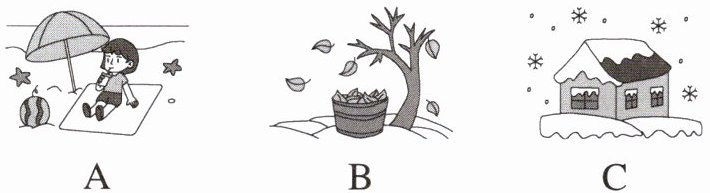
答案:
B
2. What does the boy like doing in winter?
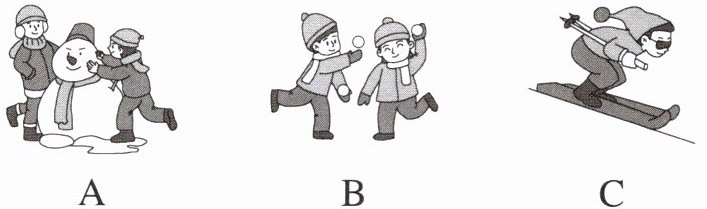
答案:
A
3. Why didn’t the man enjoy the view?
A.Because it was really foggy.
B.Because he was too tired.
C.Because he didn’t get to the top of the mountain.
A.Because it was really foggy.
B.Because he was too tired.
C.Because he didn’t get to the top of the mountain.
答案:
A
4. What season is it now?
A.Autumn.
B.Winter.
C.Spring.
A.Autumn.
B.Winter.
C.Spring.
答案:
B
5. Which is Jim’s favourite season?
A.Spring.
B.Summer.
C.Autumn.
A.Spring.
B.Summer.
C.Autumn.
答案:
A
听一段对话,回答 6—7 小题。答题完毕,请等待“嘀”的信号,进入下一篇短文。
6. What will the weather be like tomorrow?
A. Cloudy. B. Rainy. C. Sunny.
7. What may the boy do tomorrow?
A. Have a picnic. B. Read books. C. Play the piano.
6. What will the weather be like tomorrow?
A. Cloudy. B. Rainy. C. Sunny.
7. What may the boy do tomorrow?
A. Have a picnic. B. Read books. C. Play the piano.
答案:
6.B 7.B
听一篇短文,回答 8—10 小题。答题完毕,请等待“嘀”的信号,进入下一篇短文。
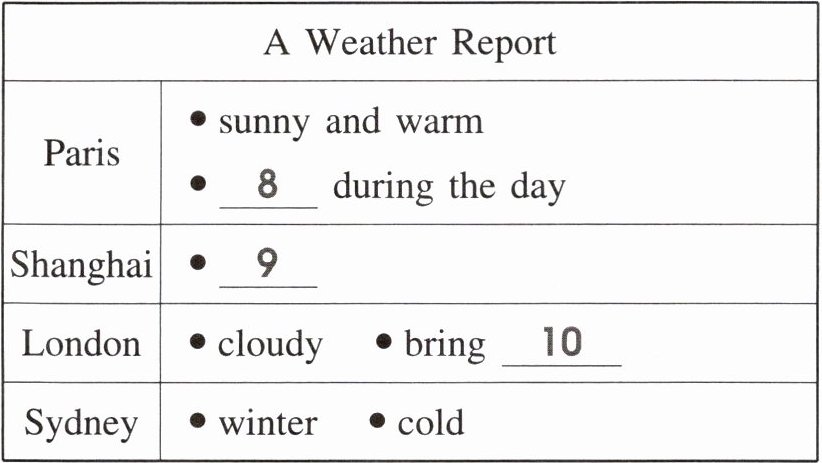
8. A. 24℃ B. 26℃ C. 28℃
9. A. hot B. warm C. cold
10. A. sunglasses B. umbrellas C. warm clothes
8. A. 24℃ B. 26℃ C. 28℃
9. A. hot B. warm C. cold
10. A. sunglasses B. umbrellas C. warm clothes
答案:
8.C 9.A 10.B
听一篇短文,回答 11—15 小题。
11. Whose house did the mouse go into?
A. His friend’s. B. A dog’s. C. A snake’s.
12. What were the snakes doing?
A. They were sleeping. B. They were chatting. C. They were eating.
13. How did the little mouse’s mother feel?
A. She felt sleepy. B. She felt afraid of the snakes. C. She wasn’t afraid of the snakes.
14. When did the story take place?
A. On a winter afternoon. B. On an autumn morning. C. On a winter morning.
15. What can we learn from the story?
A. Snakes never eat mice. B. Snakes usually sleep in winter. C. Mice like to live next to snakes.
11. Whose house did the mouse go into?
A. His friend’s. B. A dog’s. C. A snake’s.
12. What were the snakes doing?
A. They were sleeping. B. They were chatting. C. They were eating.
13. How did the little mouse’s mother feel?
A. She felt sleepy. B. She felt afraid of the snakes. C. She wasn’t afraid of the snakes.
14. When did the story take place?
A. On a winter afternoon. B. On an autumn morning. C. On a winter morning.
15. What can we learn from the story?
A. Snakes never eat mice. B. Snakes usually sleep in winter. C. Mice like to live next to snakes.
答案:
11.C 12.A 13.C 14.A 15.B
查看更多完整答案,请扫码查看

