

 搜索
搜索
第66页
- 第1页
- 第2页
- 第3页
- 第4页
- 第5页
- 第6页
- 第7页
- 第8页
- 第9页
- 第10页
- 第11页
- 第12页
- 第13页
- 第14页
- 第15页
- 第16页
- 第17页
- 第18页
- 第19页
- 第20页
- 第21页
- 第22页
- 第23页
- 第24页
- 第25页
- 第26页
- 第27页
- 第28页
- 第29页
- 第30页
- 第31页
- 第32页
- 第33页
- 第34页
- 第35页
- 第36页
- 第37页
- 第38页
- 第39页
- 第40页
- 第41页
- 第42页
- 第43页
- 第44页
- 第45页
- 第46页
- 第47页
- 第48页
- 第49页
- 第50页
- 第51页
- 第52页
- 第53页
- 第54页
- 第55页
- 第56页
- 第57页
- 第58页
- 第59页
- 第60页
- 第61页
- 第62页
- 第63页
- 第64页
- 第65页
- 第66页
- 第67页
- 第68页
- 第69页
- 第70页
- 第71页
- 第72页
- 第73页
- 第74页
- 第75页
- 第76页
- 第77页
- 第78页
- 第79页
- 第80页
- 第81页
- 第82页
- 第83页
- 第84页
- 第85页
- 第86页
- 第87页
- 第88页
- 第89页
- 第90页
- 第91页
- 第92页
- 第93页
- 第94页
- 第95页
- 第96页
- 第97页
- 第98页
Ⅰ完形填空
体裁:说明文
题材:饮食
词数:232
难度:★★★
建议用时:7 分钟
[2025 原创] At lunchtime, most people in the Western countries, from school kids to office workers, eat a sandwich. A sandwich has meat, cheese and vegetables 1
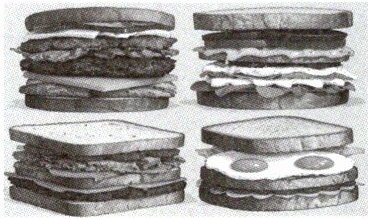
Of course, there are different 2
French and Spanish people usually 4
Why are sandwiches so 7
10
( )1. A. among B. between C. behind D. under
( )2. A. types B. senses C. colours D. ways
( )3. A. large B. European C. different D. developed
( )4. A. eat B. sell C. send D. offer
( )5. A. since B. so C. when D. while
( )6. A. compared B. topped C. filled D. connected
( )7. A. large B. similar C. popular D. cheap
( )8. A. common B. busy C. light D. easy
( )9. A. show B. rush C. break D. rest
( )10. A. Luckily B. Certainly C. Surprisingly D. Importantly
( )11. A. named B. looked C. discovered D. remembered
( )12. A. normal B. rich C. kind D. happy
( )13. A. set B. clean C. make D. leave
( )14. A. because B. so C. though D. but
( )15. A. free B. safe C. busy D. cool
体裁:说明文
题材:饮食
词数:232
难度:★★★
建议用时:7 分钟
[2025 原创] At lunchtime, most people in the Western countries, from school kids to office workers, eat a sandwich. A sandwich has meat, cheese and vegetables 1
B
two pieces of bread.Of course, there are different 2
A
of sandwiches. And people in 3C
countries have their own ways of eating sandwiches.French and Spanish people usually 4
A
a smaller sandwich with only a thin slice of meat and some butter on bread. Americans like to put vegetables in their sandwiches 5D
the British love sandwiches that are 6C
with eggs and mayonnaise (蛋黄酱).Why are sandwiches so 7
C
in the Western world? It is because they are so 8D
to carry and eat. In a 9B
, one can even eat a sandwich while walking—much harder to do with a bowl of soup!10
C
, people once considered the common sandwich a luxury (奢侈品). The snack was 11A
after the Earl (伯爵) of Sandwich, who was from a 12B
British family. The story goes that the Earl was a bad gambler (赌博者). He didn't want to 13D
the poker (扑克) table to eat a meal, 14B
he asked his cooks to put meat inside some bread. This way, he could eat without getting his hands dirty and keep one hand 15A
for gambling.( )1. A. among B. between C. behind D. under
( )2. A. types B. senses C. colours D. ways
( )3. A. large B. European C. different D. developed
( )4. A. eat B. sell C. send D. offer
( )5. A. since B. so C. when D. while
( )6. A. compared B. topped C. filled D. connected
( )7. A. large B. similar C. popular D. cheap
( )8. A. common B. busy C. light D. easy
( )9. A. show B. rush C. break D. rest
( )10. A. Luckily B. Certainly C. Surprisingly D. Importantly
( )11. A. named B. looked C. discovered D. remembered
( )12. A. normal B. rich C. kind D. happy
( )13. A. set B. clean C. make D. leave
( )14. A. because B. so C. though D. but
( )15. A. free B. safe C. busy D. cool
答案:
1. B 句意为:三明治的两片面包之间有肉、奶酪和蔬菜。among 意为“在……之中”;between 意为“在……之间”;behind 意为“在……后面”;under 意为“在……下面”。根据 two pieces of bread 可知,此处指两片面包之间,故选 B 项。
2. A type 意为“类型”;sense 意为“感觉”;colour 意为“颜色”;way 意为“方式”。根据语境可知,此处表示有不同类型的三明治,故选 A 项。
3. C 根据下文中的 French and Spanish、Americans 及 the British 可知,此处指不同国家,故选 C 项。
4. A 由上文可知,此处指“吃”三明治,故选 A 项。
5. D since 意为“自从”;so 意为“因此”;when 意为“当……时”;while 意为“然而”。此处表示对比两个不同的情况,故选 D 项。
6. C 根据语境可知,英国人喜欢填满鸡蛋和蛋黄酱的三明治,故选 C 项。
7. C large 意为“大的”;similar 意为“相似的”;popular 意为“流行的”;cheap 意为“便宜的”。根据语境可知,三明治在西方国家很流行,故选 C 项。
8. D 根据 one can even eat a sandwich while walking 可知,三明治容易携带和食用,故选 D 项。
9. B 句意为:在匆忙中,一个人甚至可以在走路的时候吃三明治——喝一碗汤就难多了!in a rush 意为“匆忙”,符合语境。
10. C luckily 意为“幸运地”;certainly 意为“当然”;surprisingly 意为“令人惊讶地”;importantly 意为“重要地”。根据 people once considered the common sandwich a luxury 可知,这是令人惊讶的,故选 C 项。
11. A 固定搭配 be named after 意为“以……命名”,符合语境。故选 A 项。
12. B normal 意为“正常的”;rich 意为“富有的”;kind 意为“善良的”;happy 意为“快乐的”。根据 a luxury 可知,他来自一个富有的英国家庭,故选 B 项。
13. D set 意为“设置”;clean 意为“清洁”;make 意为“制作”;leave 意为“离开”。根据“He didn't want to... he asked his cooks to put meat inside some bread.”可知,此处表示离开,故选 D 项。
14. B 句意为:他不想离开扑克桌去吃饭,所以他让他的厨师把肉放在一些面包里。分析句子可知,此处表示结果,故选 B 项。
15. A free 意为“空闲的”;safe 意为“安全的”;busy 意为“忙碌的”;cool 意为“酷的”。根据语境可知,此处指空出一只手来赌博,故选 A 项。
1. B 句意为:三明治的两片面包之间有肉、奶酪和蔬菜。among 意为“在……之中”;between 意为“在……之间”;behind 意为“在……后面”;under 意为“在……下面”。根据 two pieces of bread 可知,此处指两片面包之间,故选 B 项。
2. A type 意为“类型”;sense 意为“感觉”;colour 意为“颜色”;way 意为“方式”。根据语境可知,此处表示有不同类型的三明治,故选 A 项。
3. C 根据下文中的 French and Spanish、Americans 及 the British 可知,此处指不同国家,故选 C 项。
4. A 由上文可知,此处指“吃”三明治,故选 A 项。
5. D since 意为“自从”;so 意为“因此”;when 意为“当……时”;while 意为“然而”。此处表示对比两个不同的情况,故选 D 项。
6. C 根据语境可知,英国人喜欢填满鸡蛋和蛋黄酱的三明治,故选 C 项。
7. C large 意为“大的”;similar 意为“相似的”;popular 意为“流行的”;cheap 意为“便宜的”。根据语境可知,三明治在西方国家很流行,故选 C 项。
8. D 根据 one can even eat a sandwich while walking 可知,三明治容易携带和食用,故选 D 项。
9. B 句意为:在匆忙中,一个人甚至可以在走路的时候吃三明治——喝一碗汤就难多了!in a rush 意为“匆忙”,符合语境。
10. C luckily 意为“幸运地”;certainly 意为“当然”;surprisingly 意为“令人惊讶地”;importantly 意为“重要地”。根据 people once considered the common sandwich a luxury 可知,这是令人惊讶的,故选 C 项。
11. A 固定搭配 be named after 意为“以……命名”,符合语境。故选 A 项。
12. B normal 意为“正常的”;rich 意为“富有的”;kind 意为“善良的”;happy 意为“快乐的”。根据 a luxury 可知,他来自一个富有的英国家庭,故选 B 项。
13. D set 意为“设置”;clean 意为“清洁”;make 意为“制作”;leave 意为“离开”。根据“He didn't want to... he asked his cooks to put meat inside some bread.”可知,此处表示离开,故选 D 项。
14. B 句意为:他不想离开扑克桌去吃饭,所以他让他的厨师把肉放在一些面包里。分析句子可知,此处表示结果,故选 B 项。
15. A free 意为“空闲的”;safe 意为“安全的”;busy 意为“忙碌的”;cool 意为“酷的”。根据语境可知,此处指空出一只手来赌博,故选 A 项。
( )16. What was the problem when Max's father started to cook?
( )17. 新考法顺序排列 What is the correct order according to the text?
( )18. How did Max feel at the end of the text?
( )19. What can we learn from the text?
( )20. 新考法文本类型 What is the text?
B
( )17. 新考法顺序排列 What is the correct order according to the text?
B
( )18. How did Max feel at the end of the text?
A
( )19. What can we learn from the text?
C
( )20. 新考法文本类型 What is the text?
A
答案:
16. B 细节理解题。根据“Wouldn't you know that today, of all days, the oven would not heat up!”可知,烤箱出现故障了。
17. B 细节理解题。根据文章内容可知,马克斯放学后兴奋地回到家,得知烤箱故障后,生气地躺在沙发上,然后马克斯找到了一份免烘焙的饼干食谱,接着他和爸爸一起制作并享用了这种饼干。故选 B 项。
18. A 细节理解题。根据“Max was actually kind of glad the oven was broken!”可知,在文章的结尾,他有点儿庆幸烤箱坏了。故选 A 项。
19. C 推理判断题。本文讲述了一开始马克斯期待爸爸烤的饼干,但是烤箱坏了,所以他们寻求新方法,最终尝到了好吃的饼干。由此可知,事物都有两面性,故选 C 项。
20. A 推理判断题。本文讲述了马克斯和爸爸尝试制作新的免烘焙的饼干的故事。
16. B 细节理解题。根据“Wouldn't you know that today, of all days, the oven would not heat up!”可知,烤箱出现故障了。
17. B 细节理解题。根据文章内容可知,马克斯放学后兴奋地回到家,得知烤箱故障后,生气地躺在沙发上,然后马克斯找到了一份免烘焙的饼干食谱,接着他和爸爸一起制作并享用了这种饼干。故选 B 项。
18. A 细节理解题。根据“Max was actually kind of glad the oven was broken!”可知,在文章的结尾,他有点儿庆幸烤箱坏了。故选 A 项。
19. C 推理判断题。本文讲述了一开始马克斯期待爸爸烤的饼干,但是烤箱坏了,所以他们寻求新方法,最终尝到了好吃的饼干。由此可知,事物都有两面性,故选 C 项。
20. A 推理判断题。本文讲述了马克斯和爸爸尝试制作新的免烘焙的饼干的故事。
查看更多完整答案,请扫码查看

