

 搜索
搜索
2026年金考卷中考45套汇编英语河北专版
注:目前有些书本章节名称可能整理的还不是很完善,但都是按照顺序排列的,请同学们按照顺序仔细查找。练习册 2026年金考卷中考45套汇编英语河北专版 答案主要是用来给同学们做完题方便对答案用的,请勿直接抄袭。
第50页
- 第5页
- 第6页
- 第7页
- 第8页
- 第9页
- 第10页
- 第11页
- 第12页
- 第13页
- 第14页
- 第15页
- 第16页
- 第17页
- 第18页
- 第19页
- 第20页
- 第21页
- 第22页
- 第23页
- 第24页
- 第25页
- 第26页
- 第27页
- 第28页
- 第29页
- 第30页
- 第31页
- 第32页
- 第33页
- 第34页
- 第35页
- 第36页
- 第37页
- 第38页
- 第39页
- 第40页
- 第41页
- 第42页
- 第43页
- 第44页
- 第45页
- 第46页
- 第47页
- 第48页
- 第49页
- 第50页
- 第51页
- 第52页
- 第53页
- 第54页
- 第55页
- 第56页
- 第57页
- 第58页
- 第59页
- 第60页
- 第61页
- 第62页
- 第63页
- 第64页
- 第65页
- 第66页
- 第67页
- 第68页
- 第69页
- 第70页
- 第71页
- 第72页
- 第73页
- 第74页
- 第75页
- 第76页
- 第77页
- 第78页
- 第79页
- 第80页
- 第81页
- 第82页
- 第83页
- 第84页
- 第85页
- 第86页
- 第87页
- 第88页
- 第89页
- 第90页
- 第91页
- 第92页
- 第93页
- 第94页
- 第95页
- 第96页
- 第97页
- 第98页
- 第99页
- 第100页
- 第101页
- 第102页
- 第103页
- 第104页
- 第105页
- 第106页
- 第107页
- 第108页
- 第109页
- 第110页
- 第111页
- 第112页
- 第113页
- 第114页
- 第115页
- 第116页
- 第117页
- 第118页
- 第119页
- 第120页
- 第121页
- 第122页
- 第123页
- 第124页
- 第125页
- 第126页
- 第127页
- 第128页
- 第129页
- 第130页
- 第131页
- 第132页
- 第133页
- 第134页
- 第135页
- 第136页
- 第137页
- 第138页
- 第139页
- 第140页
- 第141页
- 第142页
- 第143页
- 第144页
- 第145页
- 第146页
- 第147页
- 第148页
- 第149页
- 第150页
- 第151页
- 第152页
- 第153页
- 第154页
- 第155页
- 第156页
- 第157页
- 第158页
- 第159页
- 第160页
D
新考向 关注思辨能力
Why does one plus one equal (等于) two? Many teachers only say, "It just does." But this answer has disappointed children for generations (世代).
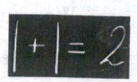
The children are right to be unhappy. This kind of answer makes math seem like a world full of rules that we have to follow. How boring! As a math researcher, I like to challenge rules. Instead of just believing that one plus one equals two, let's think more and ask if it's always true.
Sometimes, one plus one can equal more than two. If you have enough money for one cup of coffee, and so does your friend, maybe together you might buy three cups. But if each of you has 1.5 times the amount (数量) of money for a cup of coffee, you can only buy one cup alone.
Sometimes, one plus one is just one. If you put one pile (堆) of sand on top of another, you just get one pile of sand. Or as an art student once told me, if you mix one color with another, you only get one new color.
And in some situations, one plus one is zero. If I say, "I'm not not hungry," that means "I'm hungry." Here, one "not" plus another is the same as having no "nots" at all.
You might think this isn't math because the things we are talking about aren't numbers. But the point of learning math isn't just to get the right numbers. Instead, it's about understanding the world better. In the math research, we often try to find out when a rule works and when it doesn't.
I hope we can see math as a place to ask questions and look for possible answers, not just a place where rules are all set in stone. They can be changeable. So don't be afraid to think differently about math. Keep asking questions, and you'll find that math can be much more fun than you ever thought!
66. Why are some children disappointed at the answer "It just does."?
A. They don't like math at all.
B. They want to change the teachers.
C. They think the teachers work hard.
D. They expect a more interesting answer.
67. What can we learn from the third paragraph?
A. It teaches us to buy coffee alone.
B. It explains the importance of money.
C. It introduces different kinds of coffee.
D. It shows that one plus one can sometimes equal more than two.
68. When does one plus one equal zero?
A. When mixing two colors in art.
B. When paying some money for coffee.
C. When using double negatives like "not not".
D. When counting the number of piles of sand.
69. What does the underlined phrase "set in stone" probably mean?
A. basic
B. fair
C. relaxing
D. strict
70. Which of the following might be the best title for the passage?
A. The Rules of Math
B. The Boring World of Math
C. Math: More Than Just Numbers
D. When One Plus One Equals Two
新考向 关注思辨能力
Why does one plus one equal (等于) two? Many teachers only say, "It just does." But this answer has disappointed children for generations (世代).
The children are right to be unhappy. This kind of answer makes math seem like a world full of rules that we have to follow. How boring! As a math researcher, I like to challenge rules. Instead of just believing that one plus one equals two, let's think more and ask if it's always true.
Sometimes, one plus one can equal more than two. If you have enough money for one cup of coffee, and so does your friend, maybe together you might buy three cups. But if each of you has 1.5 times the amount (数量) of money for a cup of coffee, you can only buy one cup alone.
Sometimes, one plus one is just one. If you put one pile (堆) of sand on top of another, you just get one pile of sand. Or as an art student once told me, if you mix one color with another, you only get one new color.
And in some situations, one plus one is zero. If I say, "I'm not not hungry," that means "I'm hungry." Here, one "not" plus another is the same as having no "nots" at all.
You might think this isn't math because the things we are talking about aren't numbers. But the point of learning math isn't just to get the right numbers. Instead, it's about understanding the world better. In the math research, we often try to find out when a rule works and when it doesn't.
I hope we can see math as a place to ask questions and look for possible answers, not just a place where rules are all set in stone. They can be changeable. So don't be afraid to think differently about math. Keep asking questions, and you'll find that math can be much more fun than you ever thought!
66. Why are some children disappointed at the answer "It just does."?
A. They don't like math at all.
B. They want to change the teachers.
C. They think the teachers work hard.
D. They expect a more interesting answer.
67. What can we learn from the third paragraph?
A. It teaches us to buy coffee alone.
B. It explains the importance of money.
C. It introduces different kinds of coffee.
D. It shows that one plus one can sometimes equal more than two.
68. When does one plus one equal zero?
A. When mixing two colors in art.
B. When paying some money for coffee.
C. When using double negatives like "not not".
D. When counting the number of piles of sand.
69. What does the underlined phrase "set in stone" probably mean?
A. basic
B. fair
C. relaxing
D. strict
70. Which of the following might be the best title for the passage?
A. The Rules of Math
B. The Boring World of Math
C. Math: More Than Just Numbers
D. When One Plus One Equals Two
答案:
66.D 67.D 68.C 69.D 70.C
查看更多完整答案,请扫码查看

