

 搜索
搜索
第58页
- 第1页
- 第2页
- 第3页
- 第4页
- 第5页
- 第6页
- 第7页
- 第8页
- 第9页
- 第10页
- 第11页
- 第12页
- 第13页
- 第14页
- 第15页
- 第16页
- 第17页
- 第18页
- 第19页
- 第20页
- 第21页
- 第22页
- 第23页
- 第24页
- 第25页
- 第26页
- 第27页
- 第28页
- 第29页
- 第30页
- 第31页
- 第32页
- 第33页
- 第34页
- 第35页
- 第36页
- 第37页
- 第38页
- 第39页
- 第40页
- 第41页
- 第42页
- 第43页
- 第44页
- 第45页
- 第46页
- 第47页
- 第48页
- 第49页
- 第50页
- 第51页
- 第52页
- 第53页
- 第54页
- 第55页
- 第56页
- 第57页
- 第58页
- 第59页
- 第60页
- 第61页
- 第62页
- 第63页
- 第64页
- 第65页
- 第66页
- 第67页
- 第68页
- 第69页
- 第70页
- 第71页
- 第72页
- 第73页
- 第74页
- 第75页
- 第76页
- 第77页
- 第78页
- 第79页
- 第80页
- 第81页
- 第82页
- 第83页
- 第84页
- 第85页
- 第86页
- 第87页
- 第88页
- 第89页
- 第90页
- 第91页
- 第92页
- 第93页
- 第94页
- 第95页
- 第96页
- 第97页
- 第98页
- 第99页
- 第100页
- 第101页
- 第102页
- 第103页
- 第104页
- 第105页
- 第106页
- 第107页
- 第108页
- 第109页
- 第110页
- 第111页
- 第112页
- 第113页
- 第114页
- 第115页
- 第116页
- 第117页
- 第118页
- 第119页
- 第120页
- 第121页
- 第122页
- 第123页
- 第124页
- 第125页
- 第126页
- 第127页
- 第128页
- 第129页
- 第130页
- 第131页
- 第132页
- 第133页
- 第134页
- 第135页
- 第136页
- 第137页
- 第138页
- 第139页
- 第140页
- 第141页
- 第142页
- 第143页
- 第144页
- 第145页
- 第146页
- 第147页
- 第148页
- 第149页
- 第150页
- 第151页
- 第152页
- 第153页
- 第154页
- 第155页
- 第156页
四、完形填空。
阅读下面一篇短文,从短文前的选项中选出能填入空白处的最佳选项。选项中有一个为多余选项。
A. at B. the C. about D. or
E. because F. a G. of
传统文化 Now a growing number of young people are wearing traditional hanfu. You may see them eating, shopping, traveling 16.
Hanfu becomes popular in part because the government is developing traditional culture. Period dramas have also helped develop the public's interest 17.
What hanfu is like is different since each dynasty had its own style, but 18.
In modern China, people in different fields are interested in wearing hanfu: from history lovers to students and even young workers.
"Clothes are the foundation(基础) of culture," said Jiang Xue, who is a member 19.
However, there is still 21.
阅读下面一篇短文,从短文前的选项中选出能填入空白处的最佳选项。选项中有一个为多余选项。
A. at B. the C. about D. or
E. because F. a G. of
传统文化 Now a growing number of young people are wearing traditional hanfu. You may see them eating, shopping, traveling 16.
D
even working in hanfu.Hanfu becomes popular in part because the government is developing traditional culture. Period dramas have also helped develop the public's interest 17.
A
traditional Chinese clothes.What hanfu is like is different since each dynasty had its own style, but 18.
B
clothes are usually loose, with sleeves(袖子) that hang down to the knees and flowing robes(长袍) around the body.In modern China, people in different fields are interested in wearing hanfu: from history lovers to students and even young workers.
"Clothes are the foundation(基础) of culture," said Jiang Xue, who is a member 19.
G
a hanfu club in Beijing. "If we as a people and as a country do not even understand our traditional clothing or don't wear the clothes, how can we talk 20. C
other important parts of our culture?"However, there is still 21.
F
long way for the style to go into people's daily life. Some say they are afraid of being watched by others when wearing hanfu in public.
答案:
16-21 DABGCF
五、阅读理解。
阅读下面语篇,从每题所给的 A、B、C 三个选项中选出最佳选项。
A 北师大附属实验校本经典题 学科融合 My dad is very interested in history and the Silk Road has always fascinated him. He has told me many things about it. Although it's called the Silk Road, people traded much more than silk. The Silk Road went through Asia, the Middle East, North Africa and Europe. It played an important role in the development of the world. My family got away for a holiday last summer and went to some famous places along the original road.
We started at Lanzhou and went on to Wuwei. Wuwei was a very important city on the Silk Road. It connected three main cities in the area. In ancient times, it was also a capital. Although it's now a modern city, you can get a sense of history when you visit it. People there are very proud of their city's long history.
The next stop was Jiayuguan. It's on the edge of the desert, and was an important place on the Silk Road. It was a busy city with a lot of people coming and going. Even today, it's a city that many business people travel through. An important part of the Great Wall was also built here.
After that, we went on to Yumenguan. I first found out about Yumenguan in the famous poem written by Wang Zhihuan. It was in the Gobi Desert and was the only connection between Central Asia and China.
Finally, we arrived in Dunhuang, a city with long history and great artwork. It was influenced by many different cultures over time. Now, it's a major place of interest in northwest China.
This trip wasn't just a scenic journey. It helped me understand the history of the area and see how people from different places influenced each other in many ways.
( )22. 新考向 组合选择 Which places did the Silk Road go through?
① Asia ② the Middle East ③ South America ④ North Africa ⑤ Europe
A. ①②③④ B. ①②④⑤ C. ②③④⑤
( )23. Where did the writer first learn about Yumenguan?
A. From a history book.
B. From a movie.
C. From a famous poem.
( )24. What did the writer think of the journey?
A. Tiring but exciting.
B. Dangerous and boring.
C. Enjoyable and meaningful.
( )25. 新考
阅读下面语篇,从每题所给的 A、B、C 三个选项中选出最佳选项。
A 北师大附属实验校本经典题 学科融合 My dad is very interested in history and the Silk Road has always fascinated him. He has told me many things about it. Although it's called the Silk Road, people traded much more than silk. The Silk Road went through Asia, the Middle East, North Africa and Europe. It played an important role in the development of the world. My family got away for a holiday last summer and went to some famous places along the original road.
We started at Lanzhou and went on to Wuwei. Wuwei was a very important city on the Silk Road. It connected three main cities in the area. In ancient times, it was also a capital. Although it's now a modern city, you can get a sense of history when you visit it. People there are very proud of their city's long history.
The next stop was Jiayuguan. It's on the edge of the desert, and was an important place on the Silk Road. It was a busy city with a lot of people coming and going. Even today, it's a city that many business people travel through. An important part of the Great Wall was also built here.
After that, we went on to Yumenguan. I first found out about Yumenguan in the famous poem written by Wang Zhihuan. It was in the Gobi Desert and was the only connection between Central Asia and China.
Finally, we arrived in Dunhuang, a city with long history and great artwork. It was influenced by many different cultures over time. Now, it's a major place of interest in northwest China.
This trip wasn't just a scenic journey. It helped me understand the history of the area and see how people from different places influenced each other in many ways.
( )22. 新考向 组合选择 Which places did the Silk Road go through?
① Asia ② the Middle East ③ South America ④ North Africa ⑤ Europe
A. ①②③④ B. ①②④⑤ C. ②③④⑤
( )23. Where did the writer first learn about Yumenguan?
A. From a history book.
B. From a movie.
C. From a famous poem.
( )24. What did the writer think of the journey?
A. Tiring but exciting.
B. Dangerous and boring.
C. Enjoyable and meaningful.
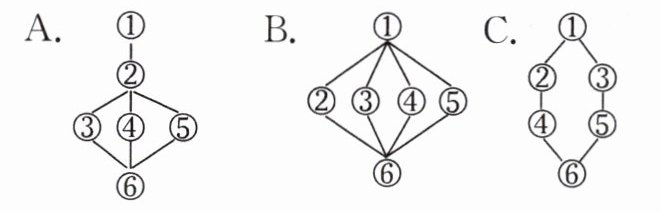
( )25. 新考
向
篇章结构 Which of the following best shows the structure of the text?
答案:
22-25 BCCB
查看更多完整答案,请扫码查看

