

 搜索
搜索
第3页
- 第1页
- 第2页
- 第3页
- 第4页
- 第5页
- 第6页
- 第7页
- 第8页
- 第9页
- 第10页
- 第11页
- 第12页
- 第13页
- 第14页
- 第15页
- 第16页
- 第17页
- 第18页
- 第19页
- 第20页
- 第21页
- 第22页
- 第23页
- 第24页
- 第25页
- 第26页
- 第27页
- 第28页
- 第29页
- 第30页
- 第31页
- 第32页
- 第33页
- 第34页
- 第35页
- 第36页
- 第37页
- 第38页
- 第39页
- 第40页
- 第41页
- 第42页
- 第43页
- 第44页
- 第45页
- 第46页
- 第47页
- 第48页
- 第49页
- 第50页
- 第51页
- 第52页
- 第53页
- 第54页
- 第55页
- 第56页
- 第57页
- 第58页
- 第59页
- 第60页
- 第61页
- 第62页
- 第63页
- 第64页
- 第65页
- 第66页
- 第67页
- 第68页
- 第69页
- 第70页
- 第71页
- 第72页
- 第73页
- 第74页
- 第75页
- 第76页
- 第77页
- 第78页
- 第79页
- 第80页
- 第81页
- 第82页
- 第83页
- 第84页
- 第85页
- 第86页
- 第87页
- 第88页
- 第89页
- 第90页
- 第91页
- 第92页
- 第93页
- 第94页
- 第95页
- 第96页
- 第97页
- 第98页
- 第99页
- 第100页
- 第101页
- 第102页
- 第103页
- 第104页
- 第105页
- 第106页
- 第107页
- 第108页
- 第109页
- 第110页
- 第111页
- 第112页
- 第113页
- 第114页
- 第115页
- 第116页
- 第117页
- 第118页
- 第119页
- 第120页
- 第121页
- 第122页
- 第123页
- 第124页
- 第125页
- 第126页
- 第127页
- 第128页
- 第129页
- 第130页
- 第131页
- 第132页
- 第133页
- 第134页
- 第135页
- 第136页
- 第137页
- 第138页
- 第139页
- 第140页
- 第141页
- 第142页
- 第143页
- 第144页
- 第145页
- 第146页
- 第147页
- 第148页
- 第149页
- 第150页
- 第151页
- 第152页
- 第153页
- 第154页
- 第155页
- 第156页
- 第157页
- 第158页
- 第159页
- 第160页
- 第161页
- 第162页
- 第163页
- 第164页
- 第165页
- 第166页
- 第167页
- 第168页
- 第169页
- 第170页
Ⅵ. 阅读理解
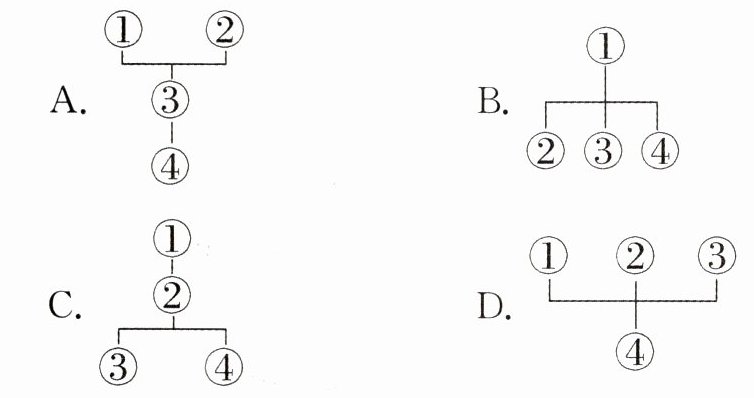
(2024·浙江宁波·一模改编)①Ahh... ahhhh... aaaahhhchooo! That sneeze is uncovered, and so the germs(细菌) fly through the air. It is pretty awful to think about, but have you ever wondered about the germs in your body? They are very small organisms(生物体) that live inside us. An organism is a living thing. Germs are alive, and they can cause us to get sick. It is impossible to keep germs out of our bodies. They are so tiny that we do not even know they are coming inside our bodies. The only way we know that germs have made us sick is when we begin to feel symptoms. We might get a fever or a sore throat. We might have a runny nose or a headache.
②Germs are usually spread(传播) through the air. They come out in a sneeze, a cough, or a breath. They can also be spread by saliva(唾液), sweat(汗), or blood. Sometimes, they come from touching something. For example, a person can touch his or her nose and then touch a doorknob(门把手). If someone else touches that doorknob right away, he or she can pick up those germs.
③ How can you protect yourself from germs? The most important way to do this is to wash your hands. Soap and water are the germ's enemies. They wash the germs away. This is why it is so important to wash your hands throughout the day. But a quick splash(飞溅) will not work. Hands should be washed for about twenty seconds.
④Staying healthy also keeps germs away. This means getting enough rest and not being too tired. It also means having good food and exercising. These are germ - fighting secrets!
1. The underlined word “symptoms” in Paragraph ① probably means “________”.
A. 症状 B. 疼痛 C. 厌倦 D. 乏力
2. Which statement is TRUE according to the passage?
A. Doorknobs are always dirty.
B. Hand washing must last for five minutes.
C. Germs are only spread through sneezing.
D. Germs are easily spread, but there are ways to protect ourselves from them.
3. Which is the structure of the passage?
4. What is the purpose of writing this passage?
A. To make us do more sports.
B. To tell the difference of germs and organisms.
C. To learn something about colds.
D. To tell us how to stay away from germs.
5. This passage is most probably from ________.
A. a science magazine
B. a community website
C. a school board
D. a travel guide
(2024·浙江宁波·一模改编)①Ahh... ahhhh... aaaahhhchooo! That sneeze is uncovered, and so the germs(细菌) fly through the air. It is pretty awful to think about, but have you ever wondered about the germs in your body? They are very small organisms(生物体) that live inside us. An organism is a living thing. Germs are alive, and they can cause us to get sick. It is impossible to keep germs out of our bodies. They are so tiny that we do not even know they are coming inside our bodies. The only way we know that germs have made us sick is when we begin to feel symptoms. We might get a fever or a sore throat. We might have a runny nose or a headache.
②Germs are usually spread(传播) through the air. They come out in a sneeze, a cough, or a breath. They can also be spread by saliva(唾液), sweat(汗), or blood. Sometimes, they come from touching something. For example, a person can touch his or her nose and then touch a doorknob(门把手). If someone else touches that doorknob right away, he or she can pick up those germs.
③ How can you protect yourself from germs? The most important way to do this is to wash your hands. Soap and water are the germ's enemies. They wash the germs away. This is why it is so important to wash your hands throughout the day. But a quick splash(飞溅) will not work. Hands should be washed for about twenty seconds.
④Staying healthy also keeps germs away. This means getting enough rest and not being too tired. It also means having good food and exercising. These are germ - fighting secrets!
1. The underlined word “symptoms” in Paragraph ① probably means “________”.
A. 症状 B. 疼痛 C. 厌倦 D. 乏力
2. Which statement is TRUE according to the passage?
A. Doorknobs are always dirty.
B. Hand washing must last for five minutes.
C. Germs are only spread through sneezing.
D. Germs are easily spread, but there are ways to protect ourselves from them.
3. Which is the structure of the passage?
4. What is the purpose of writing this passage?
A. To make us do more sports.
B. To tell the difference of germs and organisms.
C. To learn something about colds.
D. To tell us how to stay away from germs.
5. This passage is most probably from ________.
A. a science magazine
B. a community website
C. a school board
D. a travel guide
答案:
A@@D@@C@@D@@A
查看更多完整答案,请扫码查看

