

 搜索
搜索
第161页
- 第1页
- 第2页
- 第3页
- 第4页
- 第5页
- 第6页
- 第7页
- 第8页
- 第9页
- 第10页
- 第11页
- 第12页
- 第13页
- 第14页
- 第15页
- 第16页
- 第17页
- 第18页
- 第19页
- 第20页
- 第21页
- 第22页
- 第23页
- 第24页
- 第25页
- 第26页
- 第27页
- 第28页
- 第29页
- 第30页
- 第31页
- 第32页
- 第33页
- 第34页
- 第35页
- 第36页
- 第37页
- 第38页
- 第39页
- 第40页
- 第41页
- 第42页
- 第43页
- 第44页
- 第45页
- 第46页
- 第47页
- 第48页
- 第49页
- 第50页
- 第51页
- 第52页
- 第53页
- 第54页
- 第55页
- 第56页
- 第57页
- 第58页
- 第59页
- 第60页
- 第61页
- 第62页
- 第63页
- 第64页
- 第65页
- 第66页
- 第67页
- 第68页
- 第69页
- 第70页
- 第71页
- 第72页
- 第73页
- 第74页
- 第75页
- 第76页
- 第77页
- 第78页
- 第79页
- 第80页
- 第81页
- 第82页
- 第83页
- 第84页
- 第85页
- 第86页
- 第87页
- 第88页
- 第89页
- 第90页
- 第91页
- 第92页
- 第93页
- 第94页
- 第95页
- 第96页
- 第97页
- 第98页
- 第99页
- 第100页
- 第101页
- 第102页
- 第103页
- 第104页
- 第105页
- 第106页
- 第107页
- 第108页
- 第109页
- 第110页
- 第111页
- 第112页
- 第113页
- 第114页
- 第115页
- 第116页
- 第117页
- 第118页
- 第119页
- 第120页
- 第121页
- 第122页
- 第123页
- 第124页
- 第125页
- 第126页
- 第127页
- 第128页
- 第129页
- 第130页
- 第131页
- 第132页
- 第133页
- 第134页
- 第135页
- 第136页
- 第137页
- 第138页
- 第139页
- 第140页
- 第141页
- 第142页
- 第143页
- 第144页
- 第145页
- 第146页
- 第147页
- 第148页
- 第149页
- 第150页
- 第151页
- 第152页
- 第153页
- 第154页
- 第155页
- 第156页
- 第157页
- 第158页
- 第159页
- 第160页
- 第161页
- 第162页
- 第163页
- 第164页
- 第165页
- 第166页
- 第167页
- 第168页
- 第169页
- 第170页
Ⅰ. 音乐盛会 来自埃及的音乐爱好者Steve带着他的吉他来参加艺术文化周,给我们讲解了吉他的历史故事,让我们一起来了解一下吧。
The guitar is one of the most popular musical instruments in the world. Many different cultures have played instruments like the guitar for over 3,000 years. The oldest instrument that we can see today comes from Ancient Egypt. You can see this guitar in a museum in Cairo. It belonged to a singer who sang for the Egyptian queen Hatshepsut. This type of guitar had a long neck and only three strings(弦).
The lute is also an ancient instrument similar to a guitar, but it has a short neck and a body like half a pear. It usually had more strings than a guitar and they were in pairs. From 1100 to 1500, traveling singers and story tellers played the lute to go with their songs.
Guitars sometimes had pairs of strings like the lute, but the guitar changed over time to use single strings. People used guitars with six single strings for the first time in the 1600s in Italy, but the most important change happened in the 1850s. The Spanish guitar maker Antonio Torres Jurado made the guitar’s body bigger. His idea made the sound of the guitar louder and better. Most of today’s classical guitars follow his design.
The first electric guitars appeared in the 1930s. The electric guitars have a solid body and can make many different sounds. We also find them in many different shapes and sizes. Some electric guitars don’t look like guitars at all!
1. Which of the following is a lute?
A.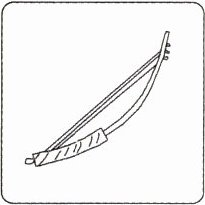 B.
B.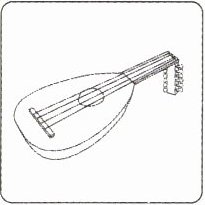 C.
C.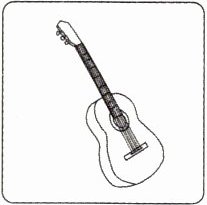 D.
D.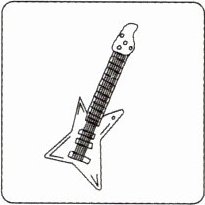
2. What does the underlined word “them” in Paragraph 4 refer to?
A. Guitars. B. Sounds. C. Shapes. D. Sizes.
3. In which order did the following happen?
a. The first electric guitars appeared.
b. People used guitars with six single strings in Italy.
c. Antonio Torres Jurado made the guitar’s body bigger.
d. Traveling singers played the lute to go with their songs.
A. d-b-c-a B. a-c-d-b C. d-a-c-b D. c-d-a-b
4. Why does the writer write the passage?
A. To discuss the invention of the guitar. B. To introduce the shapes of the guitar.
C. To compare the players of the guitar. D. To show the development of the guitar.
The guitar is one of the most popular musical instruments in the world. Many different cultures have played instruments like the guitar for over 3,000 years. The oldest instrument that we can see today comes from Ancient Egypt. You can see this guitar in a museum in Cairo. It belonged to a singer who sang for the Egyptian queen Hatshepsut. This type of guitar had a long neck and only three strings(弦).
The lute is also an ancient instrument similar to a guitar, but it has a short neck and a body like half a pear. It usually had more strings than a guitar and they were in pairs. From 1100 to 1500, traveling singers and story tellers played the lute to go with their songs.
Guitars sometimes had pairs of strings like the lute, but the guitar changed over time to use single strings. People used guitars with six single strings for the first time in the 1600s in Italy, but the most important change happened in the 1850s. The Spanish guitar maker Antonio Torres Jurado made the guitar’s body bigger. His idea made the sound of the guitar louder and better. Most of today’s classical guitars follow his design.
The first electric guitars appeared in the 1930s. The electric guitars have a solid body and can make many different sounds. We also find them in many different shapes and sizes. Some electric guitars don’t look like guitars at all!
1. Which of the following is a lute?
A.
B. C. D.2. What does the underlined word “them” in Paragraph 4 refer to?
A. Guitars. B. Sounds. C. Shapes. D. Sizes.
3. In which order did the following happen?
a. The first electric guitars appeared.
b. People used guitars with six single strings in Italy.
c. Antonio Torres Jurado made the guitar’s body bigger.
d. Traveling singers played the lute to go with their songs.
A. d-b-c-a B. a-c-d-b C. d-a-c-b D. c-d-a-b
4. Why does the writer write the passage?
A. To discuss the invention of the guitar. B. To introduce the shapes of the guitar.
C. To compare the players of the guitar. D. To show the development of the guitar.
答案:
1-4 BAAD
查看更多完整答案,请扫码查看

