

 搜索
搜索
第54页
- 第1页
- 第2页
- 第3页
- 第4页
- 第5页
- 第6页
- 第7页
- 第8页
- 第9页
- 第10页
- 第11页
- 第12页
- 第13页
- 第14页
- 第15页
- 第16页
- 第17页
- 第18页
- 第19页
- 第20页
- 第21页
- 第22页
- 第23页
- 第24页
- 第25页
- 第26页
- 第27页
- 第28页
- 第29页
- 第30页
- 第31页
- 第32页
- 第33页
- 第34页
- 第35页
- 第36页
- 第37页
- 第38页
- 第39页
- 第40页
- 第41页
- 第42页
- 第43页
- 第44页
- 第45页
- 第46页
- 第47页
- 第48页
- 第49页
- 第50页
- 第51页
- 第52页
- 第53页
- 第54页
- 第55页
- 第56页
- 第57页
- 第58页
- 第59页
- 第60页
- 第61页
- 第62页
- 第63页
- 第64页
- 第65页
- 第66页
- 第67页
- 第68页
- 第69页
- 第70页
- 第71页
- 第72页
- 第73页
- 第74页
- 第75页
- 第76页
- 第77页
- 第78页
- 第79页
- 第80页
- 第81页
- 第82页
- 第83页
- 第84页
- 第85页
- 第86页
- 第87页
- 第88页
- 第89页
- 第90页
- 第91页
- 第92页
- 第93页
- 第94页
- 第95页
- 第96页
- 第97页
- 第98页
- 第99页
- 第100页
- 第101页
- 第102页
- 第103页
- 第104页
- 第105页
- 第106页
- 第107页
- 第108页
- 第109页
- 第110页
- 第111页
- 第112页
- 第113页
- 第114页
四、根据课文内容,在文中空白处填入1个适当的单词,或用括号内所给单词的正确形式填空。
Mr Jiang, a manager of a big company, is always too busy to have any time to relax. So he ordered a robot from a robot shop.
The robot made Mr Jiang’s life much 1 (easy). When he got up in the morning, breakfast was made, his business suit was 2 (smooth)ironed, and his lunch box was already prepared. While he was at work, the robot would do all the housework and go 3 (shop)at the supermarket. When he returned home 4 work, a delicious dinner would be ready for him. After dinner, the robot would tidy up. It seemed that in general the robot 5 (satisfy)Mr Jiang’s needs.
But after a few comfortable weeks, the robot caught a virus and no longer worked 6 (proper). Sometimes it woke Mr Jiang up 7 four o’clock in the morning. And his flat was in a complete mess: food 8 (lay)on the bed; milk was stored in the rubbish bin; coins, bills and his private 9 (paper)were spread all over the floor. Moreover, the robot moved too fast on its wheels and often knocked things 10 .
In the end, Mr Jiang decided to return the robot to the robot shop.
1. ____________ 2. ____________ 3. ____________ 4. ____________ 5. ____________
6. ____________ 7. ____________ 8. ____________ 9. ____________ 10. ____________
Mr Jiang, a manager of a big company, is always too busy to have any time to relax. So he ordered a robot from a robot shop.
The robot made Mr Jiang’s life much 1 (easy). When he got up in the morning, breakfast was made, his business suit was 2 (smooth)ironed, and his lunch box was already prepared. While he was at work, the robot would do all the housework and go 3 (shop)at the supermarket. When he returned home 4 work, a delicious dinner would be ready for him. After dinner, the robot would tidy up. It seemed that in general the robot 5 (satisfy)Mr Jiang’s needs.
But after a few comfortable weeks, the robot caught a virus and no longer worked 6 (proper). Sometimes it woke Mr Jiang up 7 four o’clock in the morning. And his flat was in a complete mess: food 8 (lay)on the bed; milk was stored in the rubbish bin; coins, bills and his private 9 (paper)were spread all over the floor. Moreover, the robot moved too fast on its wheels and often knocked things 10 .
In the end, Mr Jiang decided to return the robot to the robot shop.
1. ____________ 2. ____________ 3. ____________ 4. ____________ 5. ____________
6. ____________ 7. ____________ 8. ____________ 9. ____________ 10. ____________
答案:
1. easier 2. smoothly 3. shopping 4. from 5. satisfied 6. properly 7. at 8. was laid 9. papers 10. over
五、传统文化 阅读理解。
It is said that every year on the second day of the second Chinese lunar month, the dragon wakes up and raises its head. Because of this, the day is called “Dragon Head-raising Day”(the Longtaitou festival). Old people believed that after Longtaitou, there would be more rain. And rain is very necessary for farming. So Longtaitou was the start of spring and farming.
People have many ways to celebrate the Longtaitou festival. The most popular one is to have a haircut. Many believe that a haircut during the first lunar month may bring bad luck to your uncles—mainly your mother’s brothers. They hope getting a haircut on Longtaitou keeps them away from bad luck.
Among Chinese people’s festival traditions, there is always a place for food. During the Longtaitou festival, people eat food named after dragons. Noodles are called the dragon’s beard (longxu). Dumplings are the dragon’s ears(long’er).
People also hold activities like dragon dancing on the day. In some places, people make dragon lanterns too. Small red boats go down the rivers and carry the lanterns, which stands for people’s best wishes and good luck.
( )1. What did old people think of Longtaitou?
A. It was a good time for sleeping. B. It was the end of the Spring Festival.
C. It was the start of spring and farming. D. It meant the weather would become colder.
( )2. Why do people get haircuts on this day?
A. To get rid of bad luck. B. It may bring more rain.
C. To bring bad luck. D. It may help their hair grow.
( )3. 新考法 Which of the following best shows the structure of the passage?
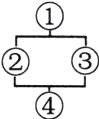
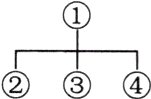
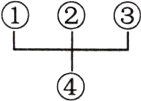
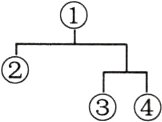
A. ①③
②④
B. ①
②③④
C. ①②③
④
D. ①
②
③④
( )4. What is the purpose of this passage?
A. To introduce a traditional festival.
B. To make a traditional festival popular again.
C. To tell people how to avoid bad luck.
D. To introduce some tasty food and fun activities.
It is said that every year on the second day of the second Chinese lunar month, the dragon wakes up and raises its head. Because of this, the day is called “Dragon Head-raising Day”(the Longtaitou festival). Old people believed that after Longtaitou, there would be more rain. And rain is very necessary for farming. So Longtaitou was the start of spring and farming.
People have many ways to celebrate the Longtaitou festival. The most popular one is to have a haircut. Many believe that a haircut during the first lunar month may bring bad luck to your uncles—mainly your mother’s brothers. They hope getting a haircut on Longtaitou keeps them away from bad luck.
Among Chinese people’s festival traditions, there is always a place for food. During the Longtaitou festival, people eat food named after dragons. Noodles are called the dragon’s beard (longxu). Dumplings are the dragon’s ears(long’er).
People also hold activities like dragon dancing on the day. In some places, people make dragon lanterns too. Small red boats go down the rivers and carry the lanterns, which stands for people’s best wishes and good luck.
( )1. What did old people think of Longtaitou?
A. It was a good time for sleeping. B. It was the end of the Spring Festival.
C. It was the start of spring and farming. D. It meant the weather would become colder.
( )2. Why do people get haircuts on this day?
A. To get rid of bad luck. B. It may bring more rain.
C. To bring bad luck. D. It may help their hair grow.
( )3. 新考法 Which of the following best shows the structure of the passage?
A. ①③
②④
B. ①
②③④
C. ①②③
④
D. ①
②
③④
( )4. What is the purpose of this passage?
A. To introduce a traditional festival.
B. To make a traditional festival popular again.
C. To tell people how to avoid bad luck.
D. To introduce some tasty food and fun activities.
答案:
1. C 【点拨】根据“So Longtaitou was the start of spring and farming.”可知,老人们认为龙抬头是春天和农耕的开始。故选 C。
2. A 【点拨】根据“Many believe that a haircut during the first lunar month may bring bad luck to your uncles—mainly your mother's brothers. They hope getting a haircut on Longtaitou keeps them away from bad luck.”可知,人们在这一天要理发是因为人们相信这会让他们远离霉运。故选 A。
3. B 【点拨】纵观全文可知,第一段从总体上介绍二月二龙抬头这个节日。第二段到第四段分别介绍庆祝这个节日的一些风俗,如剪发、吃以“龙”命名的食物和举办像舞龙等其他的活动。选项 B 的篇章结构图符合本文。故选 B。
4. A 【点拨】通读全文可知,短文主要介绍了中国的二月二龙抬头这一节日及其相关风俗。因此文章的目的是介绍一个传统节日。故选 A。
2. A 【点拨】根据“Many believe that a haircut during the first lunar month may bring bad luck to your uncles—mainly your mother's brothers. They hope getting a haircut on Longtaitou keeps them away from bad luck.”可知,人们在这一天要理发是因为人们相信这会让他们远离霉运。故选 A。
3. B 【点拨】纵观全文可知,第一段从总体上介绍二月二龙抬头这个节日。第二段到第四段分别介绍庆祝这个节日的一些风俗,如剪发、吃以“龙”命名的食物和举办像舞龙等其他的活动。选项 B 的篇章结构图符合本文。故选 B。
4. A 【点拨】通读全文可知,短文主要介绍了中国的二月二龙抬头这一节日及其相关风俗。因此文章的目的是介绍一个传统节日。故选 A。
查看更多完整答案,请扫码查看

