

 搜索
搜索
第76页
- 第1页
- 第2页
- 第3页
- 第4页
- 第5页
- 第6页
- 第7页
- 第8页
- 第9页
- 第10页
- 第11页
- 第12页
- 第13页
- 第14页
- 第15页
- 第16页
- 第17页
- 第18页
- 第19页
- 第20页
- 第21页
- 第22页
- 第23页
- 第24页
- 第25页
- 第26页
- 第27页
- 第28页
- 第29页
- 第30页
- 第31页
- 第32页
- 第33页
- 第34页
- 第35页
- 第36页
- 第37页
- 第38页
- 第39页
- 第40页
- 第41页
- 第42页
- 第43页
- 第44页
- 第45页
- 第46页
- 第47页
- 第48页
- 第49页
- 第50页
- 第51页
- 第52页
- 第53页
- 第54页
- 第55页
- 第56页
- 第57页
- 第58页
- 第59页
- 第60页
- 第61页
- 第62页
- 第63页
- 第64页
- 第65页
- 第66页
- 第67页
- 第68页
- 第69页
- 第70页
- 第71页
- 第72页
- 第73页
- 第74页
- 第75页
- 第76页
- 第77页
- 第78页
- 第79页
- 第80页
- 第81页
- 第82页
- 第83页
- 第84页
- 第85页
- 第86页
- 第87页
- 第88页
- 第89页
- 第90页
- 第91页
- 第92页
- 第93页
- 第94页
- 第95页
- 第96页
- 第97页
- 第98页
- 第99页
- 第100页
- 第101页
- 第102页
- 第103页
- 第104页
- 第105页
- 第106页
- 第107页
- 第108页
- 第109页
- 第110页
- 第111页
- 第112页
- 第113页
- 第114页
- 第115页
- 第116页
- 第117页
- 第118页
- 第119页
- 第120页
- 第121页
- 第122页
- 第123页
- 第124页
- 第125页
- 第126页
- 第127页
- 第128页
- 第129页
- 第130页
- 第131页
- 第132页
- 第133页
- 第134页
- 第135页
- 第136页
- 第137页
- 第138页
- 第139页
- 第140页
- 第141页
- 第142页
- 第143页
- 第144页
- 第145页
- 第146页
- 第147页
- 第148页
- 第149页
- 第150页
- 第151页
二、阅读理解
What will the schools be like in the future? Smart schools will be the schools of our century. These future schools are different from those in the past. They use high technology to help students learn more quickly and safely, as well as bring convenience to teachers.
The University of British Columbia has built Canada's first 5G smart school. The school worked with a high-tech company to build a 5G network across the school.
At Staffordshire University in the UK, many students enjoy talking to an AI robot and asking it questions. The AI robot was made by the university. It is like a personal helper for students. They can ask it questions, and it can answer as a real teacher.
Another smart school thing is an internet company's voice-activated smart robot. It can be used to help teachers with their classes. For example, it can remember what the teacher's classroom is like, such as how bright the lights should be, and change them right away.
"Cities are so big, and there are so many stakeholders, so it can be difficult to change. But universities have their own buildings... so they can become a living lab," said Gemmy Ginty, a teacher who is working on smart schools for the University of Glasgow.
(
① It brings convenience to teachers.
② It helps students learn more safely.
③ It helps students learn more quickly.
④ It helps teachers get away from planning lessons.
A. ①②④ B. ②③④ C. ①③④ D. ①②③
(
A. Teach lessons. B. Answer questions.
C. Do housework. D. Look after the old.
(
A. Teachers. B. Classes. C. Lights. D. Students.
(
A. The 5G network. B. Robots in the future.
C. Smart schools. D. Future teachers.
(
What will the schools be like in the future? Smart schools will be the schools of our century. These future schools are different from those in the past. They use high technology to help students learn more quickly and safely, as well as bring convenience to teachers.
The University of British Columbia has built Canada's first 5G smart school. The school worked with a high-tech company to build a 5G network across the school.
At Staffordshire University in the UK, many students enjoy talking to an AI robot and asking it questions. The AI robot was made by the university. It is like a personal helper for students. They can ask it questions, and it can answer as a real teacher.
Another smart school thing is an internet company's voice-activated smart robot. It can be used to help teachers with their classes. For example, it can remember what the teacher's classroom is like, such as how bright the lights should be, and change them right away.
"Cities are so big, and there are so many stakeholders, so it can be difficult to change. But universities have their own buildings... so they can become a living lab," said Gemmy Ginty, a teacher who is working on smart schools for the University of Glasgow.
(
D
) 1. Which of the following are the advantages of a smart school in the future?① It brings convenience to teachers.
② It helps students learn more safely.
③ It helps students learn more quickly.
④ It helps teachers get away from planning lessons.
A. ①②④ B. ②③④ C. ①③④ D. ①②③
(
B
) 2. What can the AI robot in the UK do?A. Teach lessons. B. Answer questions.
C. Do housework. D. Look after the old.
(
C
) 3. What does the underlined word "them" in paragraph 4 refer to?A. Teachers. B. Classes. C. Lights. D. Students.
(
C
) 4. What does the passage mainly talk about?A. The 5G network. B. Robots in the future.
C. Smart schools. D. Future teachers.
(
C
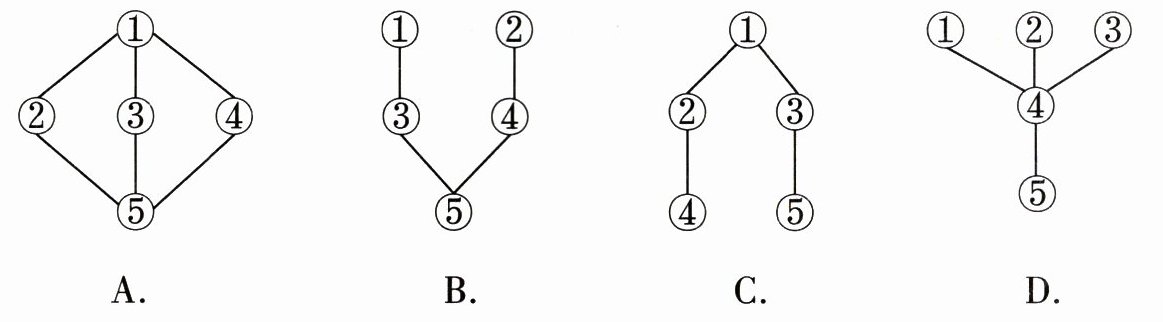
) 5. Which of the following best shows the structure of the passage?
答案:
【解析】:
1. 这是一道细节理解题,需要从文中找出智能学校的优势。根据文章第一段“They use high technology to help students learn more quickly and safely, as well as bring convenience to teachers.”可知,智能学校能帮助学生更快更安全地学习,还能给老师带来便利,逐一分析选项内容:
①“It brings convenience to teachers.”:与原文中“bring convenience to teachers”相符,该选项正确。
②“It helps students learn more safely.”:与原文“help students learn more...safely”相符,该选项正确。
③“It helps students learn more quickly.”:与原文“help students learn more quickly”相符,该选项正确。
④“It helps teachers get away from planning lessons.”:文中未提及智能学校能帮助老师摆脱备课,该选项错误。
所以答案是D。
2. 这是一道细节理解题,询问英国的AI机器人能做什么。根据文章第三段“At Staffordshire University in the UK, many students enjoy talking to an AI robot and asking it questions. The AI robot was made by the university. It is like a personal helper for students. They can ask it questions, and it can answer as a real teacher.”可知,英国的AI机器人能回答问题,分析选项:
A选项“Teach lessons.”:文中未提及它能授课,该选项错误。
B选项“Answer questions.”:与原文相符,该选项正确。
C选项“Do housework.”:文中未提及它能做家务,该选项错误。
D选项“Look after the old.”:文中未提及它能照顾老人,该选项错误。
所以答案是B。
3. 这是一道词义猜测题,需要判断第四段中“them”指代的内容。根据文章第四段“For example, it can remember what the teacher's classroom is like, such as how bright the lights should be, and change them right away.”可知,“them”指代的是“lights”,分析选项:
A选项“Teachers.”:不符合语境,该选项错误。
B选项“Classes.”:不符合语境,该选项错误。
C选项“Lights.”:与原文相符,该选项正确。
D选项“Students.”:不符合语境,该选项错误。
所以答案是C。
4. 这是一道主旨大意题,需要判断文章主要谈论的内容。文章开篇提出“What will the schools be like in the future? Smart schools will be the schools of our century.”,接着介绍了不同学校的智能设施,所以文章主要谈论的是智能学校,分析选项:
A选项“The 5G network.”:5G网络只是智能学校的一部分,不能概括全文,该选项错误。
B选项“Robots in the future.”:机器人也是智能学校的一部分,不能概括全文,该选项错误。
C选项“Smart schools.”:与文章主旨相符,该选项正确。
D选项“Future teachers.”:未来教师不是文章主要谈论的内容,该选项错误。
所以答案是C。
5. 这是一道文章结构题,需要判断文章的结构。文章第一段总体介绍智能学校,第二、三、四段分别举例说明不同学校的智能设施,第五段引用老师的话总结,所以文章结构是总分总,分析选项:
A选项:结构不符合总分总,该选项错误。
B选项:结构不符合总分总,该选项错误。
C选项:结构符合总分总,该选项正确。
D选项:结构不符合总分总,该选项错误。
所以答案是C。
【答案】:
1. D
2. B
3. C
4. C
5. C
1. 这是一道细节理解题,需要从文中找出智能学校的优势。根据文章第一段“They use high technology to help students learn more quickly and safely, as well as bring convenience to teachers.”可知,智能学校能帮助学生更快更安全地学习,还能给老师带来便利,逐一分析选项内容:
①“It brings convenience to teachers.”:与原文中“bring convenience to teachers”相符,该选项正确。
②“It helps students learn more safely.”:与原文“help students learn more...safely”相符,该选项正确。
③“It helps students learn more quickly.”:与原文“help students learn more quickly”相符,该选项正确。
④“It helps teachers get away from planning lessons.”:文中未提及智能学校能帮助老师摆脱备课,该选项错误。
所以答案是D。
2. 这是一道细节理解题,询问英国的AI机器人能做什么。根据文章第三段“At Staffordshire University in the UK, many students enjoy talking to an AI robot and asking it questions. The AI robot was made by the university. It is like a personal helper for students. They can ask it questions, and it can answer as a real teacher.”可知,英国的AI机器人能回答问题,分析选项:
A选项“Teach lessons.”:文中未提及它能授课,该选项错误。
B选项“Answer questions.”:与原文相符,该选项正确。
C选项“Do housework.”:文中未提及它能做家务,该选项错误。
D选项“Look after the old.”:文中未提及它能照顾老人,该选项错误。
所以答案是B。
3. 这是一道词义猜测题,需要判断第四段中“them”指代的内容。根据文章第四段“For example, it can remember what the teacher's classroom is like, such as how bright the lights should be, and change them right away.”可知,“them”指代的是“lights”,分析选项:
A选项“Teachers.”:不符合语境,该选项错误。
B选项“Classes.”:不符合语境,该选项错误。
C选项“Lights.”:与原文相符,该选项正确。
D选项“Students.”:不符合语境,该选项错误。
所以答案是C。
4. 这是一道主旨大意题,需要判断文章主要谈论的内容。文章开篇提出“What will the schools be like in the future? Smart schools will be the schools of our century.”,接着介绍了不同学校的智能设施,所以文章主要谈论的是智能学校,分析选项:
A选项“The 5G network.”:5G网络只是智能学校的一部分,不能概括全文,该选项错误。
B选项“Robots in the future.”:机器人也是智能学校的一部分,不能概括全文,该选项错误。
C选项“Smart schools.”:与文章主旨相符,该选项正确。
D选项“Future teachers.”:未来教师不是文章主要谈论的内容,该选项错误。
所以答案是C。
5. 这是一道文章结构题,需要判断文章的结构。文章第一段总体介绍智能学校,第二、三、四段分别举例说明不同学校的智能设施,第五段引用老师的话总结,所以文章结构是总分总,分析选项:
A选项:结构不符合总分总,该选项错误。
B选项:结构不符合总分总,该选项错误。
C选项:结构符合总分总,该选项正确。
D选项:结构不符合总分总,该选项错误。
所以答案是C。
【答案】:
1. D
2. B
3. C
4. C
5. C
查看更多完整答案,请扫码查看

