

 搜索
搜索
第86页
- 第1页
- 第2页
- 第3页
- 第4页
- 第5页
- 第6页
- 第7页
- 第8页
- 第9页
- 第10页
- 第11页
- 第12页
- 第13页
- 第14页
- 第15页
- 第16页
- 第17页
- 第18页
- 第19页
- 第20页
- 第21页
- 第22页
- 第23页
- 第24页
- 第25页
- 第26页
- 第27页
- 第28页
- 第29页
- 第30页
- 第31页
- 第32页
- 第33页
- 第34页
- 第35页
- 第36页
- 第37页
- 第38页
- 第39页
- 第40页
- 第41页
- 第42页
- 第43页
- 第44页
- 第45页
- 第46页
- 第47页
- 第48页
- 第49页
- 第50页
- 第51页
- 第52页
- 第53页
- 第54页
- 第55页
- 第56页
- 第57页
- 第58页
- 第59页
- 第60页
- 第61页
- 第62页
- 第63页
- 第64页
- 第65页
- 第66页
- 第67页
- 第68页
- 第69页
- 第70页
- 第71页
- 第72页
- 第73页
- 第74页
- 第75页
- 第76页
- 第77页
- 第78页
- 第79页
- 第80页
- 第81页
- 第82页
- 第83页
- 第84页
- 第85页
- 第86页
- 第87页
- 第88页
- 第89页
- 第90页
- 第91页
- 第92页
- 第93页
- 第94页
- 第95页
- 第96页
- 第97页
- 第98页
- 第99页
- 第100页
- 第101页
- 第102页
- 第103页
- 第104页
- 第105页
- 第106页
- 第107页
- 第108页
- 第109页
- 第110页
- 第111页
- 第112页
- 第113页
- 第114页
- 第115页
- 第116页
- 第117页
- 第118页
- 第119页
- 第120页
- 第121页
- 第122页
- 第123页
- 第124页
- 第125页
A
An old man lived in a village. He was one of the rudest people in the world. The whole village was tired of him; he was always unhappy; he was always complaining and was always in a bad mood. When people tried to make him happy, he would rudely turn them 1 .
The 2 he lived, the more bad - tempered(坏脾气的)he became. People stayed away from him because his bad mood was contagious(传染性的). The 3 he acted made others feel the same way that he did. It was unusual and impolite to feel happy around him. By 4 like this, he made the rest of the village feel unhappy as well.
But one day—the day he turned 80 years old, in fact—an unbelievable thing happened. The man’s mood suddenly 5 . He was no longer rude or angry. Instead, he seemed calm and kind. The villagers said 6 themselves, “The old man is happy today. He hasn’t complained about anything. He is smiling, and his face looks kind.”
The whole village went to see the old man. They couldn’t believe that his mood could change so suddenly. One of the villagers asked the old man, “What happened to you?”
“ 7 special has happened, in fact,” the man said. “For 80 years, I’ve been looking for happiness, and it was no 8 . And then I decided to live without happiness and just enjoy life. That’s 9 I’m happy now.”
It is important to realize that your mood can affect the moods of those around you. Everyone has bad days sometimes. If someone tries to cheer you up, don’t be rude to them. Just try to 10 their help.
( )1. A. away B. off C. out D. up
( )2. A. shorter B. longer C. bigger D. more
( )3. A. mood B. talk C. hope D. way
( )4. A. behaving B. helping C. saying D. playing
( )5. A. lifted B. showed C. changed D. disappeared
( )6. A. from B. among C. between D. into
( )7. A. Something B. Anything C. Everything D. Nothing
( )8. A. purpose B. chance C. use D. price
( )9. A. why B. when C. where D. what
( )10. A. accept B. forget C. refuse D. save
An old man lived in a village. He was one of the rudest people in the world. The whole village was tired of him; he was always unhappy; he was always complaining and was always in a bad mood. When people tried to make him happy, he would rudely turn them 1 .
The 2 he lived, the more bad - tempered(坏脾气的)he became. People stayed away from him because his bad mood was contagious(传染性的). The 3 he acted made others feel the same way that he did. It was unusual and impolite to feel happy around him. By 4 like this, he made the rest of the village feel unhappy as well.
But one day—the day he turned 80 years old, in fact—an unbelievable thing happened. The man’s mood suddenly 5 . He was no longer rude or angry. Instead, he seemed calm and kind. The villagers said 6 themselves, “The old man is happy today. He hasn’t complained about anything. He is smiling, and his face looks kind.”
The whole village went to see the old man. They couldn’t believe that his mood could change so suddenly. One of the villagers asked the old man, “What happened to you?”
“ 7 special has happened, in fact,” the man said. “For 80 years, I’ve been looking for happiness, and it was no 8 . And then I decided to live without happiness and just enjoy life. That’s 9 I’m happy now.”
It is important to realize that your mood can affect the moods of those around you. Everyone has bad days sometimes. If someone tries to cheer you up, don’t be rude to them. Just try to 10 their help.
( )1. A. away B. off C. out D. up
( )2. A. shorter B. longer C. bigger D. more
( )3. A. mood B. talk C. hope D. way
( )4. A. behaving B. helping C. saying D. playing
( )5. A. lifted B. showed C. changed D. disappeared
( )6. A. from B. among C. between D. into
( )7. A. Something B. Anything C. Everything D. Nothing
( )8. A. purpose B. chance C. use D. price
( )9. A. why B. when C. where D. what
( )10. A. accept B. forget C. refuse D. save
答案:
1. A 2. B 3. D 4. A 5. C 6. B 7. D 8. C 9. A 10. A
B(2024·河南中考改编)
新素材 人文地理 An old saying used for forecasting(预测)the weather says, “Red sky at night, sailors’ delight. Red sky in the morning, sailors(水手)take warning.” Is the saying true? It turns out that it is. A red sky at sunset may mean that there are clear skies to the west, where the sun sets. A red sky at sunrise usually means that the clear weather has already passed, so storms might be coming.
Forecasting the weather has been practised for thousands of years. In the 5th century BC, the Greeks sent out forecasts to sailors. They used signs in nature to forecast the weather. But today, meteorologists send exact forecasts further in advance(提前). They use scientific instruments to study weather conditions around the world and make forecasts. Pilots, farmers and many other people depend on these forecasts. Luckily, most of us can simply look on the smartphone or turn on the TV to find out what kind of weather is coming.
If you are looking for some signs of the weather, pay attention to nature. There are two basic rules used in weather forecasting: Weather generally moves from west to east, and low air pressure(压力)usually means rain or snow. So pay attention to the signs. If rainbows form in the west at sunrise, the sun is on the way. Smell the flowers—their smells are stronger in wet air. What are the ants doing? Are they moving to higher ground? This could mean a drop in air pressure. Are the birds flying low or high? Falling air pressure may influence birds’ ears, so they fly low. And if the sky is red at sunset, you might plan a picnic for the next day!
( )1. What is the old saying about?
A. The beauty of sunrise. B. The night sky.
C. The signs of the weather. D. The sailors’ work.
( )2. What does the underlined word “meteorologists” in Paragraph 2 mean?
A. The persons who give daily weather reports on TV.
B. The persons who carry out research on natural history.
C. The persons who take an interest in plants and animals.
D. The persons who do scientific studies of weather conditions.
( )3. 新考法 写作手法 How does the writer develop his idea in Paragraph 2?
A. By listing the reasons for terrible weather.
B. By telling a true story about weather forecasting.
C. By introducing different ways of forecasting the weather.
D. By mentioning the difficulties in forecasting the weather.
( )4. 新考法 写作意图 What is the writer’s purpose in writing the text?
A. To encourage people to get close to nature.
B. To express the need for weather forecasting.
C. To explain nature can tell us about the weather.
D. To discuss how important weather forecasting is.
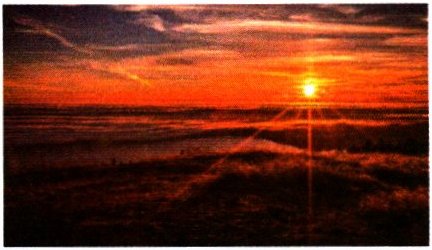
新素材 人文地理 An old saying used for forecasting(预测)the weather says, “Red sky at night, sailors’ delight. Red sky in the morning, sailors(水手)take warning.” Is the saying true? It turns out that it is. A red sky at sunset may mean that there are clear skies to the west, where the sun sets. A red sky at sunrise usually means that the clear weather has already passed, so storms might be coming.
Forecasting the weather has been practised for thousands of years. In the 5th century BC, the Greeks sent out forecasts to sailors. They used signs in nature to forecast the weather. But today, meteorologists send exact forecasts further in advance(提前). They use scientific instruments to study weather conditions around the world and make forecasts. Pilots, farmers and many other people depend on these forecasts. Luckily, most of us can simply look on the smartphone or turn on the TV to find out what kind of weather is coming.
If you are looking for some signs of the weather, pay attention to nature. There are two basic rules used in weather forecasting: Weather generally moves from west to east, and low air pressure(压力)usually means rain or snow. So pay attention to the signs. If rainbows form in the west at sunrise, the sun is on the way. Smell the flowers—their smells are stronger in wet air. What are the ants doing? Are they moving to higher ground? This could mean a drop in air pressure. Are the birds flying low or high? Falling air pressure may influence birds’ ears, so they fly low. And if the sky is red at sunset, you might plan a picnic for the next day!
( )1. What is the old saying about?
A. The beauty of sunrise. B. The night sky.
C. The signs of the weather. D. The sailors’ work.
( )2. What does the underlined word “meteorologists” in Paragraph 2 mean?
A. The persons who give daily weather reports on TV.
B. The persons who carry out research on natural history.
C. The persons who take an interest in plants and animals.
D. The persons who do scientific studies of weather conditions.
( )3. 新考法 写作手法 How does the writer develop his idea in Paragraph 2?
A. By listing the reasons for terrible weather.
B. By telling a true story about weather forecasting.
C. By introducing different ways of forecasting the weather.
D. By mentioning the difficulties in forecasting the weather.
( )4. 新考法 写作意图 What is the writer’s purpose in writing the text?
A. To encourage people to get close to nature.
B. To express the need for weather forecasting.
C. To explain nature can tell us about the weather.
D. To discuss how important weather forecasting is.
答案:
1. C 2. D 3. C 4. C
查看更多完整答案,请扫码查看

