

 搜索
搜索
第83页
- 第1页
- 第2页
- 第3页
- 第4页
- 第5页
- 第6页
- 第7页
- 第8页
- 第9页
- 第10页
- 第11页
- 第12页
- 第13页
- 第14页
- 第15页
- 第16页
- 第17页
- 第18页
- 第19页
- 第20页
- 第21页
- 第22页
- 第23页
- 第24页
- 第25页
- 第26页
- 第27页
- 第28页
- 第29页
- 第30页
- 第31页
- 第32页
- 第33页
- 第34页
- 第35页
- 第36页
- 第37页
- 第38页
- 第39页
- 第40页
- 第41页
- 第42页
- 第43页
- 第44页
- 第45页
- 第46页
- 第47页
- 第48页
- 第49页
- 第50页
- 第51页
- 第52页
- 第53页
- 第54页
- 第55页
- 第56页
- 第57页
- 第58页
- 第59页
- 第60页
- 第61页
- 第62页
- 第63页
- 第64页
- 第65页
- 第66页
- 第67页
- 第68页
- 第69页
- 第70页
- 第71页
- 第72页
- 第73页
- 第74页
- 第75页
- 第76页
- 第77页
- 第78页
- 第79页
- 第80页
- 第81页
- 第82页
- 第83页
- 第84页
- 第85页
- 第86页
- 第87页
- 第88页
- 第89页
- 第90页
- 第91页
- 第92页
- 第93页
- 第94页
- 第95页
- 第96页
- 第97页
- 第98页
- 第99页
- 第100页
- 第101页
- 第102页
- 第103页
- 第104页
- 第105页
- 第106页
- 第107页
- 第108页
- 第109页
- 第110页
- 第111页
- 第112页
- 第113页
- 第114页
- 第115页
- 第116页
- 第117页
- 第118页
- 第119页
- 第120页
- 第121页
- 第122页
- 第123页
- 第124页
- 第125页
三、根据中文提示完成句子。
1. 我们应该避免像在别人前面插队那样的不良举止。
We should ________ ________ ________ ________ ________ ________ ________ ________.
2. 你应该用恰当的方式来开始谈话。
You should ________ ________ ________ ________ ________.
3. 我刚才看到我们英语老师微笑着和你打了个招呼。
I saw our English teacher ________ ________ ________ ________ just now.
4. 我们年纪足够大了,该学习如何在公共场合举止礼貌了。
We are old enough ________ ________ ________ ________ ________ ________ ________.
5. 如果我们爬山时不遵守规则,我们可能会出事故。
Accidents may happen to us if we ________ ________ ________ ________ ________ ________ ________.
1. 我们应该避免像在别人前面插队那样的不良举止。
We should ________ ________ ________ ________ ________ ________ ________ ________.
2. 你应该用恰当的方式来开始谈话。
You should ________ ________ ________ ________ ________.
3. 我刚才看到我们英语老师微笑着和你打了个招呼。
I saw our English teacher ________ ________ ________ ________ just now.
4. 我们年纪足够大了,该学习如何在公共场合举止礼貌了。
We are old enough ________ ________ ________ ________ ________ ________ ________.
5. 如果我们爬山时不遵守规则,我们可能会出事故。
Accidents may happen to us if we ________ ________ ________ ________ ________ ________ ________.
答案:
avoid bad manners like pushing in before others
@@start a conversation in a proper way
@@greet you with a smile
@@to learn how to behave politely in public
@@don’t obey rules when we climb mountains
@@start a conversation in a proper way
@@greet you with a smile
@@to learn how to behave politely in public
@@don’t obey rules when we climb mountains
<新素材 社会百科> Nowadays, job interviews are playing an important part in deciding whether a person can get a job finally. But job interviews aren’t the same all over the world. An interviewer’s “body language” and questions, and the forms of an interview can be very different from country to country.
If you’re at a job interview in Japan, don’t look directly into the eyes of the interviewer. It is considered impolite and make the interviewer unhappy. But if you’re at an interview in the USA, you should make eye contact(交流) with the interviewer. If you don’t, the interviewer may think you are not sure about your ability and cross your name off the final list.
In Canada, interviewers usually don’t ask questions about personal information like family members and their jobs. In China, however, personal questions are often asked during job interviews.
In Germany, your interview might begin with a very short conversation followed by a formal(正式的) interview. The interviewee should pay special attention to the clothes he wears that day. But in Mexico, the whole interview might not be formal, which makes the interviewee think he is talking with an old friend.
1. Are the forms of job interviews the same in different countries? ________
2. What is considered impolite if you are at a job interview in Japan? ________
3. In which country are interviewees often asked personal questions during job interviews? ________
4. What should you pay special attention to when interviewing in Germany? ________
5. How do you feel if you attend a job interview in Mexico? ________
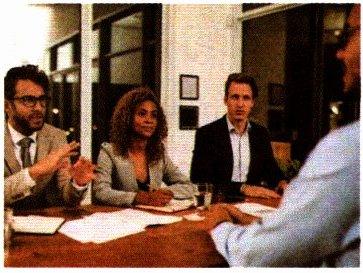
If you’re at a job interview in Japan, don’t look directly into the eyes of the interviewer. It is considered impolite and make the interviewer unhappy. But if you’re at an interview in the USA, you should make eye contact(交流) with the interviewer. If you don’t, the interviewer may think you are not sure about your ability and cross your name off the final list.
In Canada, interviewers usually don’t ask questions about personal information like family members and their jobs. In China, however, personal questions are often asked during job interviews.
In Germany, your interview might begin with a very short conversation followed by a formal(正式的) interview. The interviewee should pay special attention to the clothes he wears that day. But in Mexico, the whole interview might not be formal, which makes the interviewee think he is talking with an old friend.
1. Are the forms of job interviews the same in different countries? ________
2. What is considered impolite if you are at a job interview in Japan? ________
3. In which country are interviewees often asked personal questions during job interviews? ________
4. What should you pay special attention to when interviewing in Germany? ________
5. How do you feel if you attend a job interview in Mexico? ________
答案:
1. No.
2. Looking directly into the eyes of the interviewer.
3. In China.
4. The clothes.
5. I feel like I am talking with an old friend.
2. Looking directly into the eyes of the interviewer.
3. In China.
4. The clothes.
5. I feel like I am talking with an old friend.
查看更多完整答案,请扫码查看

