

 搜索
搜索
第17页
- 第1页
- 第2页
- 第3页
- 第4页
- 第5页
- 第6页
- 第7页
- 第8页
- 第9页
- 第10页
- 第11页
- 第12页
- 第13页
- 第14页
- 第15页
- 第16页
- 第17页
- 第18页
- 第19页
- 第20页
- 第21页
- 第22页
- 第23页
- 第24页
- 第25页
- 第26页
- 第27页
- 第28页
- 第29页
- 第30页
- 第31页
- 第32页
- 第33页
- 第34页
- 第35页
- 第36页
- 第37页
- 第38页
- 第39页
- 第40页
- 第41页
- 第42页
- 第43页
- 第44页
- 第45页
- 第46页
- 第47页
- 第48页
- 第49页
- 第50页
- 第51页
- 第52页
- 第53页
- 第54页
- 第55页
- 第56页
- 第57页
- 第58页
- 第59页
- 第60页
- 第61页
- 第62页
- 第63页
- 第64页
- 第65页
- 第66页
- 第67页
- 第68页
- 第69页
- 第70页
- 第71页
- 第72页
- 第73页
- 第74页
- 第75页
- 第76页
- 第77页
- 第78页
- 第79页
- 第80页
- 第81页
- 第82页
- 第83页
- 第84页
- 第85页
- 第86页
- 第87页
- 第88页
- 第89页
- 第90页
- 第91页
- 第92页
- 第93页
四、学科素养·文化意识阅读还原:根据短文内容,从短文后的选项中选出能填入空白处的最佳选项。选项中有两项为多余选项
The Laba Festival is a traditional Chinese holiday celebrated on the eighth day of the 12th month of the Chinese lunar calendar. 21.
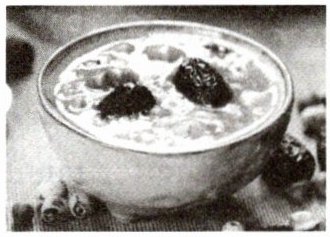
Laba Porridge
Offering Sacrifices to Ancestors (祖先)
22.
Eating Laba Porridge
23.
The custom of eating Laba porridge on this day began in ancient times. 24.
Making Laba Garlic and Laba Vinegar
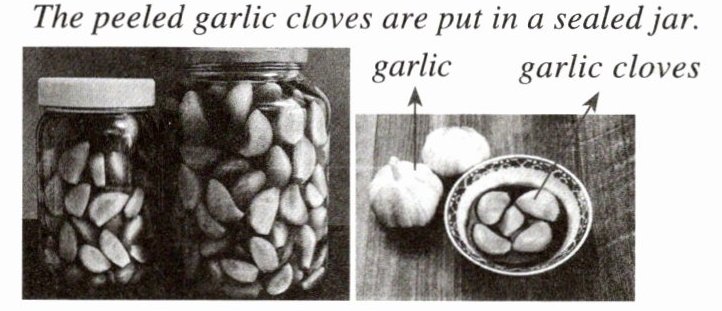
The peeled garlic cloves are put in a sealed jar. In many places in northern China, many families have the custom of making Laba garlic and vinegar on the day of the Laba Festival.
25.
A. Making Laba garlic is very simple
B. Honoring ancestors is a tradition at the Laba Festival
C. The Laba Festival is a traditional Chinese holiday
D. Laba porridge is made of a variety of ingredients
E. Nowadays, Laba porridge is regarded as a nutritious (营养丰富的) food
F. The 12th lunar month is called "la" in Chinese and "eight" is pronounced "ba" in Chinese
G. I believe Laba porridge will become more and more popular in the future
The Laba Festival is a traditional Chinese holiday celebrated on the eighth day of the 12th month of the Chinese lunar calendar. 21.
F
. This is how the name of the festival comes. Here are some important activities during the Laba Festival.Laba Porridge
Offering Sacrifices to Ancestors (祖先)
22.
B
. Chinese people pray to their ancestors for good luck and a successful harvest.Eating Laba Porridge
23.
D
, including rice, millet, corn, barley, red dates, lotus seeds, peanuts, and various beans (such as red beans, mung beans, soybeans, black beans, kidney beans, etc.).The custom of eating Laba porridge on this day began in ancient times. 24.
E
. In some parts of China, especially in northern China, eating Laba porridge at the Laba Festival is still an important custom.Making Laba Garlic and Laba Vinegar
The peeled garlic cloves are put in a sealed jar. In many places in northern China, many families have the custom of making Laba garlic and vinegar on the day of the Laba Festival.
25.
A
. Put the peeled garlic cloves in a sealed jar, bottle, or other containers. Then pour vinegar, seal the top, and put it in a cold place for some days. The vinegar is Laba vinegar. Laba garlic and Laba vinegar with dumplings are traditional foods for the Chinese New Year.A. Making Laba garlic is very simple
B. Honoring ancestors is a tradition at the Laba Festival
C. The Laba Festival is a traditional Chinese holiday
D. Laba porridge is made of a variety of ingredients
E. Nowadays, Laba porridge is regarded as a nutritious (营养丰富的) food
F. The 12th lunar month is called "la" in Chinese and "eight" is pronounced "ba" in Chinese
G. I believe Laba porridge will become more and more popular in the future
答案:
21. F【点拨】根据“The Laba Festival is a traditional Chinese holiday celebrated on the eighth day of the 12th month of the Chinese lunar calendar.”以及“This is how the name of the festival comes.”可知此处介绍腊八节名字的由来,选项F符合语境。故选F。22. B【点拨】根据“Offering Sacrifices to Ancestors (祖先)”可知要祭祀祖先,选项B符合语境。故选B。23. D【点拨】根据“including rice, millet, corn, barley, red dates, lotus seeds, peanuts, and various beans”可知这是腊八粥的原料,选项D符合语境。故选D。24. E【点拨】根据“In some parts of China, especially in northern China, eating Laba porridge at the Laba Festival is still an important custom.”可知在中国的一些地方,在腊八节吃腊八粥仍然是一个重要的习俗,选项E符合语境。故选E。25. A【点拨】根据“Put the peeled garlic cloves in a sealed jar, bottle, or other containers.”可知此处是制作腊八蒜,选项A符合语境。故选A。
五、[2025 西安高新区第九初级中学月考]短文填空:用方框中所给单词的适当形式填空(每个单词限用一次,每空限填一个单词)
| see | they | one | be | complete | dish | celebration | much | give | luck |
The Spring Festival is also known as Chinese New Year. It is one of the 26.
Red is the main color during the Spring Festival, as it represents (代表) luck and joy. You can 29.
On the eve of the Spring Festival, families gather together for a reunion dinner. This meal is important because it symbolizes unity and family bonds*. There are many 31.
The next day, people usually visit 34.
*A bond is a connection between people or groups, such as a feeling of friendship.
| see | they | one | be | complete | dish | celebration | much | give | luck |
The Spring Festival is also known as Chinese New Year. It is one of the 26.
most
important traditional festivals in China. It is on the 27. first
day of the lunar calendar's new year. People usually begin to prepare for the Spring Festival one or two weeks before it. Families will clean their houses 28. completely
. Because they believe that this will sweep away bad luck and bring in good fortune.Red is the main color during the Spring Festival, as it represents (代表) luck and joy. You can 29.
see
red lanterns, red couplets, and even red envelopes everywhere. These red envelopes are filled with money and 30. given
to children by their elders as a symbol of good luck and blessings.On the eve of the Spring Festival, families gather together for a reunion dinner. This meal is important because it symbolizes unity and family bonds*. There are many 31.
dishes
on the table. Dumplings 32. are
one of the most typical foods. Sometimes people put a coin in a dumpling. The person with the coin is thought to be 33. lucky
. After dinner, people will watch TV, play games, or chat with each other.The next day, people usually visit 34.
their
relatives and friends, exchanging greetings and gifts. It's a time for family members to reconnect and strengthen their relationships. Fireworks and firecrackers are set off to 35. celebrate
the new year and drive away evil spirits.*A bond is a connection between people or groups, such as a feeling of friendship.
答案:
26. most【点拨】one of+the+形容词最高级+可数名词复数,表示“最……的……之一”,结合所给单词,此空应填most。27. first【点拨】根据常识可知,春节是农历新年的第一天,结合所给单词,此空应填first。28. completely【点拨】根据后一句“Because they believe that this will sweep away bad luck and bring in good fortune.”可知,他们认为这将扫除坏运气并带来好运,所以他们会彻底打扫房子,结合所给单词,此空应填completely,意为“彻底地”。29. see【点拨】根据常识可知,春节期间,人们会在家里挂红灯笼、贴红对联,甚至给孩子们红包,结合所给单词,此空应填see,意为“看见”。30. given【点拨】根据常识可知,春节期间,长辈会给孩子们红包,结合所给单词,此空应填give,意为“给”,且此句为一般现在时的被动语态,其结构为“be+动词的过去分词”,故填given。31. dishes【点拨】根据后一句“Dumplings... one of the most typical foods.”可知,饺子是春节期间最典型的食物之一,所以桌子上有很多菜,结合所给单词,此空应填dishes,意为“菜肴”。32. are【点拨】根据句意可知,此句为一般现在时,主语“Dumplings”为复数,所以be动词用are,结合所给单词,此空应填are。33. lucky【点拨】根据前面“Sometimes people put a coin in a dumpling.”可知,有时人们会在饺子里放一枚硬币,所以吃到硬币的人被认为很幸运,结合所给单词,此空应填lucky,意为“幸运的”。34. their【点拨】根据常识可知,春节期间,人们会拜访亲戚和朋友,结合所给单词,此空应填their,意为“他们的”。35. celebrate【点拨】根据常识可知,春节期间,人们会放烟花和鞭炮来庆祝新年,结合所给单词,此空应填celebrate,意为“庆祝”。
查看更多完整答案,请扫码查看

