

 搜索
搜索
第83页
- 第1页
- 第2页
- 第3页
- 第4页
- 第5页
- 第6页
- 第7页
- 第8页
- 第9页
- 第10页
- 第11页
- 第12页
- 第13页
- 第14页
- 第15页
- 第16页
- 第17页
- 第18页
- 第19页
- 第20页
- 第21页
- 第22页
- 第23页
- 第24页
- 第25页
- 第26页
- 第27页
- 第28页
- 第29页
- 第30页
- 第31页
- 第32页
- 第33页
- 第34页
- 第35页
- 第36页
- 第37页
- 第38页
- 第39页
- 第40页
- 第41页
- 第42页
- 第43页
- 第44页
- 第45页
- 第46页
- 第47页
- 第48页
- 第49页
- 第50页
- 第51页
- 第52页
- 第53页
- 第54页
- 第55页
- 第56页
- 第57页
- 第58页
- 第59页
- 第60页
- 第61页
- 第62页
- 第63页
- 第64页
- 第65页
- 第66页
- 第67页
- 第68页
- 第69页
- 第70页
- 第71页
- 第72页
- 第73页
- 第74页
- 第75页
- 第76页
- 第77页
- 第78页
- 第79页
- 第80页
- 第81页
- 第82页
- 第83页
- 第84页
(
A.spend
B.to spend
C.to spending
C
)9.The girl is looking forward ______ her winter holiday in Harbin.A.spend
B.to spend
C.to spending
答案:
C
(
A.cost
B.took
C.paid
B
)10.It ______ me two hours to finish the work.A.cost
B.took
C.paid
答案:
B
二、完形填空
China’s Snow Town is in Heilongjiang Province, the northeast of China. Millions of tourists from the south go to __11__ the snow in winter. They are called “Southern Little Potatoes”, because unlike the people in the northeast, they are a little shorter and usually wear light - colored clothes __12__ beautiful cotton (棉质的) hats and scarves. The __13__ shows the warmth and love from the local people.
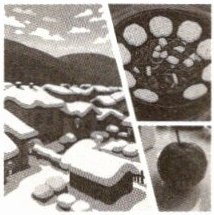
Boonie Bears is __14__ with children. The bear brothers Briar and Bramble try their best to keep Logger Vick from cutting down trees in the hometown which is almost __15__ as China’s Snow Town. __16__ like it so much that they can’t wait to take pictures with the cartoon (卡通) characters.
There is __17__ nice to eat in the snow town. The most famous is the stewed goose (炖鹅). The local people stew and eat the goose in a big iron pot (铁锅). It’s so delicious. Another special one is the frozen pear. It is a must for the southern visitors to __18__ them.
Most travelers go skiing and skating in the snow town. __19__ they fall down again and again, it can’t stop them from having fun. __20__ they want to get close to the ice and snow! It’s amazing!
( )11. A. like B. prefer C. enjoy
( )12. A. with B. within C. without
( )13. A. province B. potato C. name
( )14. A. busy B. filled C. popular
( )15. A. different B. the same C. possible
( )16. A. Women B. Children C. Men
( )17. A. nothing B. anything C. something
( )18. A. taste B. smell C. keep
( )19. A. When B. Though C. Because
( )20. A. How much B. How many C. How far
China’s Snow Town is in Heilongjiang Province, the northeast of China. Millions of tourists from the south go to __11__ the snow in winter. They are called “Southern Little Potatoes”, because unlike the people in the northeast, they are a little shorter and usually wear light - colored clothes __12__ beautiful cotton (棉质的) hats and scarves. The __13__ shows the warmth and love from the local people.
Boonie Bears is __14__ with children. The bear brothers Briar and Bramble try their best to keep Logger Vick from cutting down trees in the hometown which is almost __15__ as China’s Snow Town. __16__ like it so much that they can’t wait to take pictures with the cartoon (卡通) characters.
There is __17__ nice to eat in the snow town. The most famous is the stewed goose (炖鹅). The local people stew and eat the goose in a big iron pot (铁锅). It’s so delicious. Another special one is the frozen pear. It is a must for the southern visitors to __18__ them.
Most travelers go skiing and skating in the snow town. __19__ they fall down again and again, it can’t stop them from having fun. __20__ they want to get close to the ice and snow! It’s amazing!
( )11. A. like B. prefer C. enjoy
C
( )12. A. with B. within C. without
A
( )13. A. province B. potato C. name
C
( )14. A. busy B. filled C. popular
C
( )15. A. different B. the same C. possible
B
( )16. A. Women B. Children C. Men
B
( )17. A. nothing B. anything C. something
C
( )18. A. taste B. smell C. keep
A
( )19. A. When B. Though C. Because
B
( )20. A. How much B. How many C. How far
A
答案:
11. C 此处意为“赏雪”。12. A 根据常识,东北天冷,所以是戴帽子和系围巾。13. C 根据上文,此处是指“南方小土豆”这一称呼。14. C 由下文所描述的孩子们迫不及待地照相可知,《熊出没》深受孩子们喜欢。15. B 此处意为“两兄弟的故乡与中国雪乡几乎一样”。16. B 由本段第一句可知,孩子们喜欢动画片《熊出没》。17. C 由下文介绍的美食可知,此处意为“有好吃的东西”。18. A 由上文介绍的美食可知,此处意为“尝一尝它们”。19. B 前后为转折关系,意为“虽然屡次摔倒,但是这不能阻止他们从中获得乐趣”。20. A 此句为感叹句,意为:“他们多么想与冰雪亲近啊!”
三、阅读理解
第一节 阅读下面短文,根据短文内容,从题中所给的 A、B、C、D 四个选项中选出最佳选项。
A
①Iguazu Falls, which is the largest fall in South America, sits on the border (边界) between Brazil and Argentina. It is in the shape of a horseshoe in the national park of both countries.
②Iguazu means flood and comes from a love story. Long ago, the son of a tribal (部落的) leader fell in love with a princess (公主) who couldn’t see anything. He went to ask the God to give back her eyesight (视力) and he was willing to do anything in return.
③ “It’ll be possible if the ground cracks (破裂), forming a canyon (峡谷) and a flood comes,” the God answered.
④Day after day, the God was moved by the son. The ground cracked and a canyon came into being. The young man was washed away by the flood and lost his life. At the same time, the princess was the first person to see the Iguazu Falls.
⑤Iguazu Falls is one of the five most famous falls and the widest in the world. People can enjoy it on a plane. If you don’t mind getting wet, you can have speed boat tours. It’s exciting to take you into the rush of the falls. You can feel relaxed when walking along boardwalks while children may prefer to take the train in the forest.
⑥No matter which way you choose to experience the national park, remember to take nothing but pictures and leave nothing but footprints (脚印).
(
A. Strong wind.
B. Heavy snow.
C. Big fire.
D. Too much water.
(
A. He was interested in Iguazu Falls.
B. He fought with the God and won easily.
C. He loved the princess more than himself.
D. He lived with the princess happily in the end.
(
A. 5.
B. 4.
C. 3.
D. 2.
(
A. ①,②③④,⑤⑥
B. ①,②③④⑤,⑥
C. ①②,③④,⑤⑥
D. ①②③,④⑤,⑥
(
A. To visit Iguazu Falls.
B. To learn from the son.
C. To protect the national park.
D. Not to forget the love story of Iguazu Falls.
第一节 阅读下面短文,根据短文内容,从题中所给的 A、B、C、D 四个选项中选出最佳选项。
A
①Iguazu Falls, which is the largest fall in South America, sits on the border (边界) between Brazil and Argentina. It is in the shape of a horseshoe in the national park of both countries.
②Iguazu means flood and comes from a love story. Long ago, the son of a tribal (部落的) leader fell in love with a princess (公主) who couldn’t see anything. He went to ask the God to give back her eyesight (视力) and he was willing to do anything in return.
③ “It’ll be possible if the ground cracks (破裂), forming a canyon (峡谷) and a flood comes,” the God answered.
④Day after day, the God was moved by the son. The ground cracked and a canyon came into being. The young man was washed away by the flood and lost his life. At the same time, the princess was the first person to see the Iguazu Falls.
⑤Iguazu Falls is one of the five most famous falls and the widest in the world. People can enjoy it on a plane. If you don’t mind getting wet, you can have speed boat tours. It’s exciting to take you into the rush of the falls. You can feel relaxed when walking along boardwalks while children may prefer to take the train in the forest.
⑥No matter which way you choose to experience the national park, remember to take nothing but pictures and leave nothing but footprints (脚印).
(
D
)21. What does the underlined word “flood” mean?A. Strong wind.
B. Heavy snow.
C. Big fire.
D. Too much water.
(
C
)22. What do you know about the son?A. He was interested in Iguazu Falls.
B. He fought with the God and won easily.
C. He loved the princess more than himself.
D. He lived with the princess happily in the end.
(
B
)23. How many ways does the writer introduce to enjoy Iguazu Falls?A. 5.
B. 4.
C. 3.
D. 2.
(
A
)24. If we divide the text into three parts, which of the following is the best?A. ①,②③④,⑤⑥
B. ①,②③④⑤,⑥
C. ①②,③④,⑤⑥
D. ①②③,④⑤,⑥
(
C
)25. What does the last paragraph want to tell us?A. To visit Iguazu Falls.
B. To learn from the son.
C. To protect the national park.
D. Not to forget the love story of Iguazu Falls.
答案:
21. D 由第四段第三句可推断,flood意为“洪水”,即Too much water。22. C 第二段最后一句的大意是“为了让公主复明他愿做任何事情”,结合故事结尾可知,男孩爱公主超过爱自己。23. B 由第五段可知,作者介绍了四种方法,即坐飞机、坐船、步行和坐森林火车。24. A 第一段简介,第二、第三、第四段介绍传说,第五、第六段介绍参观方式及注意事项。25. C 最后一句大意为“除了相片,什么也别带走;除了脚印,什么也别留下”。由此可知,作者倡议保护环境,文明旅行。
查看更多完整答案,请扫码查看

