

 搜索
搜索
第31页
- 第1页
- 第2页
- 第3页
- 第4页
- 第5页
- 第6页
- 第7页
- 第8页
- 第9页
- 第10页
- 第11页
- 第12页
- 第13页
- 第14页
- 第15页
- 第16页
- 第17页
- 第18页
- 第19页
- 第20页
- 第21页
- 第22页
- 第23页
- 第24页
- 第25页
- 第26页
- 第27页
- 第28页
- 第29页
- 第30页
- 第31页
- 第32页
- 第33页
- 第34页
- 第35页
- 第36页
- 第37页
- 第38页
- 第39页
- 第40页
- 第41页
- 第42页
- 第43页
- 第44页
- 第45页
- 第46页
- 第47页
- 第48页
- 第49页
- 第50页
- 第51页
- 第52页
- 第53页
- 第54页
- 第55页
- 第56页
- 第57页
- 第58页
- 第59页
- 第60页
- 第61页
- 第62页
- 第63页
- 第64页
- 第65页
- 第66页
- 第67页
- 第68页
- 第69页
- 第70页
- 第71页
- 第72页
- 第73页
- 第74页
- 第75页
- 第76页
- 第77页
- 第78页
- 第79页
- 第80页
- 第81页
- 第82页
- 第83页
- 第84页
三、阅读理解
第一节 阅读下面短文,根据短文内容,从题中所给的 A、B、C、D 四个选项中选出最佳选项。
A
Look at the boy. He is Tian Zheng, a middle school student from the ancient town of Qingzhou in Shandong. Here is his story of practicing the lion dance, a traditional art in China.
Tian enjoys practicing the lion dance in his free time. His lion dance teacher is Li Hongxin, an excellent lion dancer. “The lion dance has a long history in China,” Mr. Li says. “I hope more young people can learn it, so I give the lion dance class to them.”
Now there are about thirty boys and girls in Mr. Li’s class. They take the lion dance class on Wednesday afternoon. On weekends, they also have the class and practice the lion dance.
Tian Zheng is one of the students in this class. “The lion dance is cool,” Tian says. “But it is not easy to be a good lion dancer. Look at my lion head. It’s about 10 kg. It’s hard for a young boy to lift it.” However, after two years of learning, Tian is a great lion dancer now. He not only learns a traditional art but also becomes healthy and brave.
Tian’s story encourages other young people to learn about the traditional culture of China. And it’s our duty to keep our old traditions.
(
A. Tian’s parents.
B. Tian’s friends.
C. Tian’s teacher.
D. Tian’s hometown.
(
A. On Wednesday.
B. On Friday.
C. On Saturday.
D. On Sunday.
(
A. Put up. B. Set up.
C. Get up. D. Look up.
(
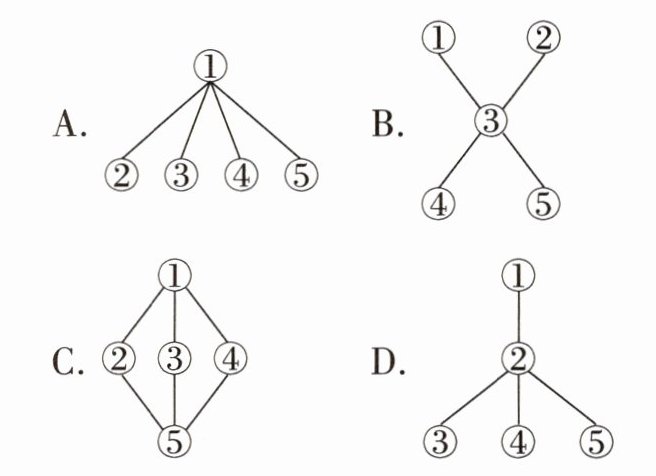
A.
B.
C.
D.
(
A. A Cool After-class Club
B. A Young Boy’s Big Dream
C. A Great Young Lion Dancer
D. The History of the Chinese Lion Dance
第一节 阅读下面短文,根据短文内容,从题中所给的 A、B、C、D 四个选项中选出最佳选项。
A
Look at the boy. He is Tian Zheng, a middle school student from the ancient town of Qingzhou in Shandong. Here is his story of practicing the lion dance, a traditional art in China.
Tian enjoys practicing the lion dance in his free time. His lion dance teacher is Li Hongxin, an excellent lion dancer. “The lion dance has a long history in China,” Mr. Li says. “I hope more young people can learn it, so I give the lion dance class to them.”
Now there are about thirty boys and girls in Mr. Li’s class. They take the lion dance class on Wednesday afternoon. On weekends, they also have the class and practice the lion dance.
Tian Zheng is one of the students in this class. “The lion dance is cool,” Tian says. “But it is not easy to be a good lion dancer. Look at my lion head. It’s about 10 kg. It’s hard for a young boy to lift it.” However, after two years of learning, Tian is a great lion dancer now. He not only learns a traditional art but also becomes healthy and brave.
Tian’s story encourages other young people to learn about the traditional culture of China. And it’s our duty to keep our old traditions.
(
D
)21. What do we know about Tian Zheng from Paragraph 1?A. Tian’s parents.
B. Tian’s friends.
C. Tian’s teacher.
D. Tian’s hometown.
(
B
)22. When DON’T those boys and girls take the lion dance class?A. On Wednesday.
B. On Friday.
C. On Saturday.
D. On Sunday.
(
A
)23. What does the underlined word “lift” mean?A. Put up. B. Set up.
C. Get up. D. Look up.
(
C
)24. What’s the structure of the text?A.
B.
C.
D.
(
C
)25. Which can be the best title for the text?A. A Cool After-class Club
B. A Young Boy’s Big Dream
C. A Great Young Lion Dancer
D. The History of the Chinese Lion Dance
答案:
21. D 由第一段第二句可知,田峥是山东青州古城的一名中学生,故选 D。
22. B 由第三段第二句、第三句可知,他们只在周三和周末上课,所以周五不上课,故选 B。
23. A 由第四段田峥所说的话可知,狮子的头部很重,田峥很难举起它。故画线单词 lift 意为 put up,“举起”,故选 A。
24. C 由全文可知,第一段总述人物及故事背景,第二、第三、第四段分别从不同角度讲述了田峥学习舞狮的过程,第五段总结他的故事的意义,故选 C。
25. C 由全文可知,本文主要讲述了一个优秀的年轻舞狮者的故事,故选 C。
22. B 由第三段第二句、第三句可知,他们只在周三和周末上课,所以周五不上课,故选 B。
23. A 由第四段田峥所说的话可知,狮子的头部很重,田峥很难举起它。故画线单词 lift 意为 put up,“举起”,故选 A。
24. C 由全文可知,第一段总述人物及故事背景,第二、第三、第四段分别从不同角度讲述了田峥学习舞狮的过程,第五段总结他的故事的意义,故选 C。
25. C 由全文可知,本文主要讲述了一个优秀的年轻舞狮者的故事,故选 C。
B
Walking in the street, we can see colorful clothes here and there. We can buy colorful clothes easily today. But how about people in old times?
Tie-dye (扎染) is a very old way of dyeing clothes in China. It has a history of over 1,500 years. In the old days, the Bai ethnic (民族的) people living at the foot of Cangshan Mountain in Yunnan used tie-dye to color their clothes. In 2006, the tie-dye skill became China’s national intangible cultural heritage (国家级非物质文化遗产).
Tie-dye is very interesting. First, we need a piece of cloth. Then we tie the cloth into different shapes. These tied parts will stop the dye (染料) from getting in, so when we put the cloth into the dye bath, the tied parts will stay the original (原有的) color, and the rest parts will be dyed (染) with beautiful colors. When we open out the cloth, we’ll see amazing patterns (图案) and colors on it. There are so many colors we can use in tie-dye, like bright blue, orange, pink and so on.
Yang Cheng is one of the most famous tie-dye artists. He learned tie-dye from his mother in the 1980s and now he is teaching his daughter this skill. He said tie-dye was not only a way to make amazing clothes, but also an important part of Chinese art. “We should be proud of it and try to learn it and pass it on,” once he said to a reporter.
(
A. 1,500 years ago.
B. In the 1980s.
C. 2,000 years ago.
D. In 2006.
(
A. To make tie-dye interesting.
B. To stop the dye from getting in.
C. To dye the cloth with beautiful colors.
D. To change the cloth into different colors.
(
A. His father.
B. His mother.
C. His daughter.
D. His grandfather.
(
A. By telling a story.
B. By making a survey.
C. By showing an example.
D. By asking a question.
(
A. A Famous Artist
B. Colorful Clothes in Streets
C. Tie-dye — A Chinese Art
D. Different Colors in Tie-dye
Walking in the street, we can see colorful clothes here and there. We can buy colorful clothes easily today. But how about people in old times?
Tie-dye (扎染) is a very old way of dyeing clothes in China. It has a history of over 1,500 years. In the old days, the Bai ethnic (民族的) people living at the foot of Cangshan Mountain in Yunnan used tie-dye to color their clothes. In 2006, the tie-dye skill became China’s national intangible cultural heritage (国家级非物质文化遗产).
Tie-dye is very interesting. First, we need a piece of cloth. Then we tie the cloth into different shapes. These tied parts will stop the dye (染料) from getting in, so when we put the cloth into the dye bath, the tied parts will stay the original (原有的) color, and the rest parts will be dyed (染) with beautiful colors. When we open out the cloth, we’ll see amazing patterns (图案) and colors on it. There are so many colors we can use in tie-dye, like bright blue, orange, pink and so on.
Yang Cheng is one of the most famous tie-dye artists. He learned tie-dye from his mother in the 1980s and now he is teaching his daughter this skill. He said tie-dye was not only a way to make amazing clothes, but also an important part of Chinese art. “We should be proud of it and try to learn it and pass it on,” once he said to a reporter.
(
A
)26. When did Chinese people began to use tie-dye to color cloth?A. 1,500 years ago.
B. In the 1980s.
C. 2,000 years ago.
D. In 2006.
(
B
)27. Why do we tie the cloth before putting it into the dye bath?A. To make tie-dye interesting.
B. To stop the dye from getting in.
C. To dye the cloth with beautiful colors.
D. To change the cloth into different colors.
(
B
)28. Who taught Yang Cheng the tie-dye skill?A. His father.
B. His mother.
C. His daughter.
D. His grandfather.
(
D
)29. How does the writer lead to the topic “tie-dye” in this text?A. By telling a story.
B. By making a survey.
C. By showing an example.
D. By asking a question.
(
C
)30. What is the best title for this text?A. A Famous Artist
B. Colorful Clothes in Streets
C. Tie-dye — A Chinese Art
D. Different Colors in Tie-dye
答案:
26. A 由第二段第二句可知,扎染有1500 多年的历史。
27. B 由第三段第四句可知捆扎布匹的原因。
28. B 由第四段第二句“He learned tie-dye from his mother”可知,杨成的母亲教他扎染技术。
29. D 作者用问句“But how about people in old times?”引出了“扎染”这个话题。
30. C 本文主要讲扎染艺术。
27. B 由第三段第四句可知捆扎布匹的原因。
28. B 由第四段第二句“He learned tie-dye from his mother”可知,杨成的母亲教他扎染技术。
29. D 作者用问句“But how about people in old times?”引出了“扎染”这个话题。
30. C 本文主要讲扎染艺术。
查看更多完整答案,请扫码查看

