

 搜索
搜索
第72页
- 第1页
- 第2页
- 第3页
- 第4页
- 第5页
- 第6页
- 第7页
- 第8页
- 第9页
- 第10页
- 第11页
- 第12页
- 第13页
- 第14页
- 第15页
- 第16页
- 第17页
- 第18页
- 第19页
- 第20页
- 第21页
- 第22页
- 第23页
- 第24页
- 第25页
- 第26页
- 第27页
- 第28页
- 第29页
- 第30页
- 第31页
- 第32页
- 第33页
- 第34页
- 第35页
- 第36页
- 第37页
- 第38页
- 第39页
- 第40页
- 第41页
- 第42页
- 第43页
- 第44页
- 第45页
- 第46页
- 第47页
- 第48页
- 第49页
- 第50页
- 第51页
- 第52页
- 第53页
- 第54页
- 第55页
- 第56页
- 第57页
- 第58页
- 第59页
- 第60页
- 第61页
- 第62页
- 第63页
- 第64页
- 第65页
- 第66页
- 第67页
- 第68页
- 第69页
- 第70页
- 第71页
- 第72页
- 第73页
- 第74页
- 第75页
- 第76页
- 第77页
- 第78页
- 第79页
- 第80页
- 第81页
- 第82页
- 第83页
- 第84页
- 第85页
- 第86页
- 第87页
- 第88页
- 第89页
- 第90页
- 第91页
- 第92页
- 第93页
- 第94页
- 第95页
- 第96页
- 第97页
- 第98页
- 第99页
- 第100页
- 第101页
- 第102页
- 第103页
- 第104页
- 第105页
- 第106页
- 第107页
- 第108页
- 第109页
- 第110页
- 第111页
- 第112页
- 第113页
- 第114页
- 第115页
- 第116页
- 第117页
- 第118页
- 第119页
- 第120页
- 第121页
- 第122页
- 第123页
- 第124页
- 第125页
- 第126页
- 第127页
- 第128页
- 第129页
- 第130页
- 第131页
- 第132页
- 第133页
- 第134页
- 第135页
- 第136页
- 第137页
- 第138页
- 第139页
- 第140页
- 第141页
- 第142页
- 第143页
- 第144页
- 第145页
- 第146页
- 第147页
- 第148页
- 第149页
- 第150页
- 第151页
- 第152页
- 第153页
- 第154页
- 第155页
- 第156页
- 第157页
- 第158页
- 第159页
- 第160页
- 第161页
- 第162页
- 第163页
- 第164页
- 第165页
- 第166页
- 第167页
- 第168页
- 第169页
- 第170页
一、完形填空(10分)
The Chinese pingfeng is traditional Chinese furniture (家具). Its earliest common use dates back to the Han Dynasty. The pingfeng means protection from 1, showing its purpose (目的) at the very beginning.
As time passes, it has been made into different sizes with colorful paintings. A dragon usually 2 on the screen. It's a sign of light, growth and life - giving water. The peacock (孔雀) can be seen on screens, too. It 3 the lasting life. Beautiful flowers, which mean good luck, also appear on screens. All the pictures carry people's beautiful 4.
Behind the pingfeng lies a very 5 story. In the past, the unmarried daughter of a rich family was not supposed to be 6 by men except her father, brothers or very close male cousins. When a man who admired her paid a visit, she might take a secret look at him behind a screen. Behind it, she would be 7 hidden. Her father would discuss poems (诗) with the young man and ask him to 8 one. If the daughter and her father were satisfied with the young man's 9 and his looks, she might agree to take him as a husband.
Today the pingfeng becomes 10 again for its beauty and its practical use as furniture. Acting as a moving wall or a dividing line, it can be the perfect match for modern sofas and walls, which adds beauty to them.
(
B. rain
C. dust
D. snow
(
B. chooses
C. shows
D. improves
(
B. stands for
C. takes away
D. comes from
(
B. rules
C. wishes
D. jobs
(
B. surprising
C. exciting
D. boring
(
B. known
C. forgotten
D. seen
(
B. completely
C. possibly
D. simply
(
B. repeat
C. receive
D. create
(
B. song
C. book
D. picture
(
B. perfect
C. popular
D. expensive
The Chinese pingfeng is traditional Chinese furniture (家具). Its earliest common use dates back to the Han Dynasty. The pingfeng means protection from 1, showing its purpose (目的) at the very beginning.
As time passes, it has been made into different sizes with colorful paintings. A dragon usually 2 on the screen. It's a sign of light, growth and life - giving water. The peacock (孔雀) can be seen on screens, too. It 3 the lasting life. Beautiful flowers, which mean good luck, also appear on screens. All the pictures carry people's beautiful 4.
Behind the pingfeng lies a very 5 story. In the past, the unmarried daughter of a rich family was not supposed to be 6 by men except her father, brothers or very close male cousins. When a man who admired her paid a visit, she might take a secret look at him behind a screen. Behind it, she would be 7 hidden. Her father would discuss poems (诗) with the young man and ask him to 8 one. If the daughter and her father were satisfied with the young man's 9 and his looks, she might agree to take him as a husband.
Today the pingfeng becomes 10 again for its beauty and its practical use as furniture. Acting as a moving wall or a dividing line, it can be the perfect match for modern sofas and walls, which adds beauty to them.
(
A
) 1. A. windB. rain
C. dust
D. snow
(
C
) 2. A. changesB. chooses
C. shows
D. improves
(
B
) 3. A. shows offB. stands for
C. takes away
D. comes from
(
C
) 4. A. skillsB. rules
C. wishes
D. jobs
(
A
) 5. A. interestingB. surprising
C. exciting
D. boring
(
D
) 6. A. refusedB. known
C. forgotten
D. seen
(
B
) 7. A. normallyB. completely
C. possibly
D. simply
(
D
) 8. A. discoverB. repeat
C. receive
D. create
(
A
) 9. A. poemB. song
C. book
D. picture
(
C
) 10. A. cheapB. perfect
C. popular
D. expensive
答案:
1. A【点拨】根据“pingfeng”及常识可知,“屏风”的主要作用是防风,而不是防雨、防尘或防雪。
2. C【点拨】根据下文“The peacock (孔雀) can be seen on screens, too.”可知,此处是指屏风上通常展示的图案是一条龙。
3. B【点拨】根据“...the lasting life.”和备选词汇可知,此处是指孔雀在屏风上代表着永恒的生命。
4. C【点拨】根据上文提到的屏风上绘有龙、孔雀和花朵等图案,且这些图案都有各自的象征意义可知,这些图案承载着人们的美好愿望。
5. A【点拨】根据下文可知,此处描述的是关于古代未婚女子与男子见面的故事,这是一个非常有趣的故事。
6. D【点拨】根据下文“When a man who admired... behind a screen.”可知,当一个爱慕她的男人拜访她时,她可能会在屏风后面偷偷地看他一眼,所以此处是指有钱人家的未婚女儿不应该被男性看到。
7. B【点拨】根据上文“she might take a secret look at him behind a screen”可知,躲在屏风后,应是将自己完全隐藏起来。
8. D【点拨】根据“discuss poems (诗) with the young man and ask him to...one”可知,应是让这个年轻人创作一首诗。
9. A【点拨】根据上文“Her father would discuss poems (诗) with the young man”可知,她的父亲会和这个年轻人讨论诗歌,所以此处应是指对他的诗和他的长相满意。
10. C【点拨】根据下文“Acting as a moving wall... beauty to them.”可知,屏风可以作为移动的墙或分界线,与现代沙发和墙壁完美匹配,增加了它们的美感,所以此处是指屏风因其美观和实用价值而再次变得流行起来。
2. C【点拨】根据下文“The peacock (孔雀) can be seen on screens, too.”可知,此处是指屏风上通常展示的图案是一条龙。
3. B【点拨】根据“...the lasting life.”和备选词汇可知,此处是指孔雀在屏风上代表着永恒的生命。
4. C【点拨】根据上文提到的屏风上绘有龙、孔雀和花朵等图案,且这些图案都有各自的象征意义可知,这些图案承载着人们的美好愿望。
5. A【点拨】根据下文可知,此处描述的是关于古代未婚女子与男子见面的故事,这是一个非常有趣的故事。
6. D【点拨】根据下文“When a man who admired... behind a screen.”可知,当一个爱慕她的男人拜访她时,她可能会在屏风后面偷偷地看他一眼,所以此处是指有钱人家的未婚女儿不应该被男性看到。
7. B【点拨】根据上文“she might take a secret look at him behind a screen”可知,躲在屏风后,应是将自己完全隐藏起来。
8. D【点拨】根据“discuss poems (诗) with the young man and ask him to...one”可知,应是让这个年轻人创作一首诗。
9. A【点拨】根据上文“Her father would discuss poems (诗) with the young man”可知,她的父亲会和这个年轻人讨论诗歌,所以此处应是指对他的诗和他的长相满意。
10. C【点拨】根据下文“Acting as a moving wall... beauty to them.”可知,屏风可以作为移动的墙或分界线,与现代沙发和墙壁完美匹配,增加了它们的美感,所以此处是指屏风因其美观和实用价值而再次变得流行起来。
A
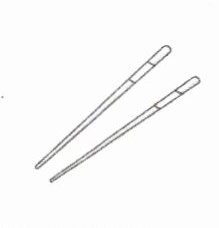
Chopsticks were invented at least 3,000 years ago. Emperor Xin, also called King Zhou, the last king of the Shang Dynasty, already used ivory chopsticks. Common people used chopsticks made of bamboo or wood. Later, there were also metal (金属) chopsticks.
续表
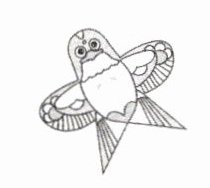
More than 2,000 years ago, Mozi made the first kite. It was a wood bird. Kites were also used as a sign to ask for help in the fight. Flying kites became people's favorite outdoor activity in the Song Dynasty.
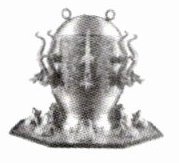
Zhang Heng was a scientist in the Eastern Han Dynasty. He knew a lot about the sun, the moon, the stars, and the earth. In 132, he invented the seismograph to record earthquakes. The modern seismograph, however, was invented about 1,700 years later.
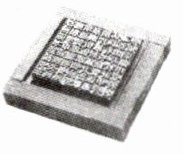
In the Song Dynasty, Bi Sheng invented the moveable type. First, Bi made clay Chinese characters (汉字). Then he fired them at a high temperature. When Bi needed to print books, he arranged (排列) the clay characters in a metal holder and then brushed them with ink (墨水).
(
A. Bamboo.
B. Ivory.
C. Wood.
D. Gold.
(
A. In the Shang Dynasty.
B. In the Han Dynasty.
C. In the Song Dynasty.
D. In the Ming Dynasty.
(
a. firing the clay pieces at a high heat
b. brushing the clay characters with ink
c. making clay Chinese characters
d. arranging the clay characters in a holder
A. cbad
B. cadb
C. dbca
D. adbc
(
A. At first, the kite was made of wood.
B. Emperor Xin first invented chopsticks.
C. Zhang Heng knew a lot about printing.
D. Bi Sheng invented the moveable type in the Shang Dynasty.
(
A. Things made in China.
B. Traditional art forms.
C. Great Chinese musicians.
D. Famous products in the world.
Chopsticks were invented at least 3,000 years ago. Emperor Xin, also called King Zhou, the last king of the Shang Dynasty, already used ivory chopsticks. Common people used chopsticks made of bamboo or wood. Later, there were also metal (金属) chopsticks.
续表
More than 2,000 years ago, Mozi made the first kite. It was a wood bird. Kites were also used as a sign to ask for help in the fight. Flying kites became people's favorite outdoor activity in the Song Dynasty.
Zhang Heng was a scientist in the Eastern Han Dynasty. He knew a lot about the sun, the moon, the stars, and the earth. In 132, he invented the seismograph to record earthquakes. The modern seismograph, however, was invented about 1,700 years later.
In the Song Dynasty, Bi Sheng invented the moveable type. First, Bi made clay Chinese characters (汉字). Then he fired them at a high temperature. When Bi needed to print books, he arranged (排列) the clay characters in a metal holder and then brushed them with ink (墨水).
(
B
) 11. What were Emperor Xin's chopsticks made of?A. Bamboo.
B. Ivory.
C. Wood.
D. Gold.
(
C
) 12. When did flying kites become people's favorite outdoor activity?A. In the Shang Dynasty.
B. In the Han Dynasty.
C. In the Song Dynasty.
D. In the Ming Dynasty.
(
B
) 13. 新考法·逻辑排序 Which is the right step of the moveable type?a. firing the clay pieces at a high heat
b. brushing the clay characters with ink
c. making clay Chinese characters
d. arranging the clay characters in a holder
A. cbad
B. cadb
C. dbca
D. adbc
(
A
) 14. What do we know about the material?A. At first, the kite was made of wood.
B. Emperor Xin first invented chopsticks.
C. Zhang Heng knew a lot about printing.
D. Bi Sheng invented the moveable type in the Shang Dynasty.
(
A
) 15. What's the main theme of the material?A. Things made in China.
B. Traditional art forms.
C. Great Chinese musicians.
D. Famous products in the world.
答案:
11. B【点拨】细节理解题。根据“Emperor Xin, also called King Zhou, the last king of the Shang Dynasty, already used ivory chopsticks.”可知,帝辛的筷子是象牙做的。
12. C【点拨】细节理解题。根据“Flying kites became people's favorite outdoor activity in the Song Dynasty.”可知,宋朝时放风筝成为人们最喜爱的户外活动。
13. B【点拨】细节理解题。根据文中描述的活字印刷步骤:首先制作黏土汉字,然后高温烧制,再排列在金属架中,最后刷上墨水。正确顺序为 cadb。
14. A【点拨】细节理解题。根据“It was a wood bird.”可知,最初的风筝是木质的。
15. A【点拨】主旨大意题。文章主要介绍了中国的一些发明物,筷子、风筝、地动仪和活字印刷术。故选 A。
12. C【点拨】细节理解题。根据“Flying kites became people's favorite outdoor activity in the Song Dynasty.”可知,宋朝时放风筝成为人们最喜爱的户外活动。
13. B【点拨】细节理解题。根据文中描述的活字印刷步骤:首先制作黏土汉字,然后高温烧制,再排列在金属架中,最后刷上墨水。正确顺序为 cadb。
14. A【点拨】细节理解题。根据“It was a wood bird.”可知,最初的风筝是木质的。
15. A【点拨】主旨大意题。文章主要介绍了中国的一些发明物,筷子、风筝、地动仪和活字印刷术。故选 A。
查看更多完整答案,请扫码查看

