

 搜索
搜索
第17页
- 第1页
- 第2页
- 第3页
- 第4页
- 第5页
- 第6页
- 第7页
- 第8页
- 第9页
- 第10页
- 第11页
- 第12页
- 第13页
- 第14页
- 第15页
- 第16页
- 第17页
- 第18页
- 第19页
- 第20页
- 第21页
- 第22页
- 第23页
- 第24页
- 第25页
- 第26页
- 第27页
- 第28页
- 第29页
- 第30页
- 第31页
- 第32页
- 第33页
- 第34页
- 第35页
- 第36页
- 第37页
- 第38页
- 第39页
- 第40页
- 第41页
- 第42页
- 第43页
- 第44页
- 第45页
- 第46页
- 第47页
- 第48页
- 第49页
- 第50页
- 第51页
- 第52页
- 第53页
- 第54页
- 第55页
- 第56页
- 第57页
- 第58页
- 第59页
- 第60页
- 第61页
- 第62页
- 第63页
- 第64页
- 第65页
- 第66页
- 第67页
- 第68页
- 第69页
- 第70页
- 第71页
- 第72页
- 第73页
- 第74页
- 第75页
- 第76页
- 第77页
- 第78页
- 第79页
- 第80页
- 第81页
- 第82页
- 第83页
- 第84页
- 第85页
- 第86页
- 第87页
- 第88页
- 第89页
- 第90页
- 第91页
- 第92页
- 第93页
- 第94页
- 第95页
- 第96页
- 第97页
- 第98页
- 第99页
- 第100页
- 第101页
- 第102页
- 第103页
- 第104页
- 第105页
- 第106页
- 第107页
- 第108页
- 第109页
- 第110页
- 第111页
- 第112页
- 第113页
- 第114页
- 第115页
- 第116页
- 第117页
- 第118页
- 第119页
- 第120页
- 第121页
- 第122页
- 第123页
- 第124页
- 第125页
- 第126页
- 第127页
- 第128页
- 第129页
- 第130页
- 第131页
- 第132页
- 第133页
- 第134页
- 第135页
- 第136页
- 第137页
- 第138页
- 第139页
- 第140页
- 第141页
- 第142页
- 第143页
- 第144页
- 第145页
- 第146页
- 第147页
- 第148页
- 第149页
- 第150页
- 第151页
- 第152页
- 第153页
- 第154页
- 第155页
- 第156页
- 第157页
- 第158页
- 第159页
- 第160页
- 第161页
- 第162页
- 第163页
- 第164页
- 第165页
- 第166页
- 第167页
- 第168页
- 第169页
- 第170页
一、补全对话
A: Hello, Jerry! You look excited. 1. ____
B: Because my cousin will spend the Spring Festival with my family and she is arriving this afternoon.
A: 2. ____
B: Well, family members will return home and eat a big dinner together. One traditional food jiaozi will be served at every table.
A: 3. ____
B: The most interesting thing is the fireworks. Would you like to celebrate it with us?
A: Really? 4. ____
B: My home is near our school. It's a brown building. I live on the second floor.
A: OK! See you.
B: 5. ____
A: Hello, Jerry! You look excited. 1. ____
Why are you so excited
?B: Because my cousin will spend the Spring Festival with my family and she is arriving this afternoon.
A: 2. ____
That sounds great
. Could you please tell me something about it?B: Well, family members will return home and eat a big dinner together. One traditional food jiaozi will be served at every table.
A: 3. ____
What's the most interesting thing
?B: The most interesting thing is the fireworks. Would you like to celebrate it with us?
A: Really? 4. ____
I'd love to, but where is your home
?B: My home is near our school. It's a brown building. I live on the second floor.
A: OK! See you.
B: 5. ____
See you
.
答案:
1. Why are you so excited 2. That sounds great
3. What's the most interesting thing
4. I'd love to, but where is your home 5. See you
3. What's the most interesting thing
4. I'd love to, but where is your home 5. See you
二、跨学科 阅读理解 主题:人与社会——历史、社会与文化 学科素养:文化意识 词数:约200 建议用时:5分钟
The Mid-Autumn Festival has a history of more than 2,000 years. All the celebrations of the Mid-Autumn Festival show the happiness and excitement of people. The main celebrations during the Mid-Autumn Festival are admiring the moon, eating mooncakes together and making Chinese Mid-Autumn Festival lanterns.
In some places in China, people celebrate the festival in different ways. In Chaozhou, Guangdong Province, people eat the taro (芋头) to celebrate the festival, because the taro harvest (丰收) happens at the same time. They eat the taro and hope the harvest is good in the next year. In Nanjing, people cook duck with sweet-scented osmanthus (桂花), because Nanjing people think sweet-scented osmanthus is a symbol of peace. In some places people make fires inside towers to celebrate the festival, because they think the fire is a symbol of good business.
In the history of China, many writers gave words to the moon of the Mid-Autumn night. The following is one of the best ones.
Thoughts in the Silent Night
——by Li Bai
The moonlight is shining through the window,
And it makes me wonder if it is the frost on the ground.
____
Looking down I miss so much about my hometown.
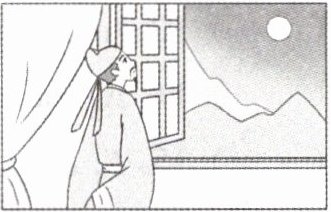
(
A. The taro harvest usually happens in winter.
B. Sweet-scented osmanthus in China is a symbol of good business.
C. Chinese people celebrate the Mid-Autumn Festival differently.
D. People in Chaozhou make fires inside towers to celebrate the festival.
(
A. Is fishing in snow in a lonely boat
B. Looking up to see the moon
C. It will fall when comes spring
D. Only green leaves are left after the showers
(
A. He's sad for being away from home.
B. He feels excited to see the full moon.
C. He feels bored on the Mid-Autumn night.
D. He loves the quiet night under the full moon.
(
A. NATURE.
B. LANGUAGE.
C. TRAVEL.
D. FESTIVAL.
The Mid-Autumn Festival has a history of more than 2,000 years. All the celebrations of the Mid-Autumn Festival show the happiness and excitement of people. The main celebrations during the Mid-Autumn Festival are admiring the moon, eating mooncakes together and making Chinese Mid-Autumn Festival lanterns.
In some places in China, people celebrate the festival in different ways. In Chaozhou, Guangdong Province, people eat the taro (芋头) to celebrate the festival, because the taro harvest (丰收) happens at the same time. They eat the taro and hope the harvest is good in the next year. In Nanjing, people cook duck with sweet-scented osmanthus (桂花), because Nanjing people think sweet-scented osmanthus is a symbol of peace. In some places people make fires inside towers to celebrate the festival, because they think the fire is a symbol of good business.
In the history of China, many writers gave words to the moon of the Mid-Autumn night. The following is one of the best ones.
Thoughts in the Silent Night
——by Li Bai
The moonlight is shining through the window,
And it makes me wonder if it is the frost on the ground.
____
Looking up to see the moon
____,Looking down I miss so much about my hometown.
(
C
)6. What can we know from Paragraph 2?A. The taro harvest usually happens in winter.
B. Sweet-scented osmanthus in China is a symbol of good business.
C. Chinese people celebrate the Mid-Autumn Festival differently.
D. People in Chaozhou make fires inside towers to celebrate the festival.
(
B
)7. 新考法·内容还原 Which can be put in the “▲”?A. Is fishing in snow in a lonely boat
B. Looking up to see the moon
C. It will fall when comes spring
D. Only green leaves are left after the showers
(
A
)8. What does Li Bai want to express in this poem?A. He's sad for being away from home.
B. He feels excited to see the full moon.
C. He feels bored on the Mid-Autumn night.
D. He loves the quiet night under the full moon.
(
D
)9. In which part of a magazine can we read this article?A. NATURE.
B. LANGUAGE.
C. TRAVEL.
D. FESTIVAL.
答案:
【主旨大意】本文讲述了中秋节的历史、庆祝活动、中国不同地区的庆祝方式以及许多作家写文字描述中秋节等。
6. C【点拨】细节理解题。根据第二段中的“In some places... in different ways.”可知,不同地方的中国人以不同的方式庆祝中秋节。
7. B【点拨】推理判断题。根据诗歌内容可知,这是李白的一首诗《静夜思》,根据下一句“Looking down I miss so much about my hometown. 低头思故乡”,可知此句是举头望明月。
8. A【点拨】主旨大意题。根据诗歌的内容可知李白在看明月的时候,思念起自己的家乡,所以诗人要表达的是思乡之情。
9. D【点拨】文章出处题。本文主要介绍中秋节,因此最适合放在“节日”栏目。
6. C【点拨】细节理解题。根据第二段中的“In some places... in different ways.”可知,不同地方的中国人以不同的方式庆祝中秋节。
7. B【点拨】推理判断题。根据诗歌内容可知,这是李白的一首诗《静夜思》,根据下一句“Looking down I miss so much about my hometown. 低头思故乡”,可知此句是举头望明月。
8. A【点拨】主旨大意题。根据诗歌的内容可知李白在看明月的时候,思念起自己的家乡,所以诗人要表达的是思乡之情。
9. D【点拨】文章出处题。本文主要介绍中秋节,因此最适合放在“节日”栏目。
查看更多完整答案,请扫码查看

