

 搜索
搜索
第67页
- 第1页
- 第2页
- 第3页
- 第4页
- 第5页
- 第6页
- 第7页
- 第8页
- 第9页
- 第10页
- 第11页
- 第12页
- 第13页
- 第14页
- 第15页
- 第16页
- 第17页
- 第18页
- 第19页
- 第20页
- 第21页
- 第22页
- 第23页
- 第24页
- 第25页
- 第26页
- 第27页
- 第28页
- 第29页
- 第30页
- 第31页
- 第32页
- 第33页
- 第34页
- 第35页
- 第36页
- 第37页
- 第38页
- 第39页
- 第40页
- 第41页
- 第42页
- 第43页
- 第44页
- 第45页
- 第46页
- 第47页
- 第48页
- 第49页
- 第50页
- 第51页
- 第52页
- 第53页
- 第54页
- 第55页
- 第56页
- 第57页
- 第58页
- 第59页
- 第60页
- 第61页
- 第62页
- 第63页
- 第64页
- 第65页
- 第66页
- 第67页
- 第68页
- 第69页
- 第70页
- 第71页
- 第72页
- 第73页
- 第74页
- 第75页
- 第76页
- 第77页
- 第78页
- 第79页
- 第80页
- 第81页
- 第82页
- 第83页
- 第84页
- 第85页
- 第86页
- 第87页
- 第88页
- 第89页
- 第90页
- 第91页
- 第92页
- 第93页
- 第94页
- 第95页
- 第96页
- 第97页
- 第98页
- 第99页
- 第100页
- 第101页
- 第102页
- 第103页
- 第104页
- 第105页
- 第106页
- 第107页
- 第108页
- 第109页
- 第110页
- 第111页
- 第112页
- 第113页
- 第114页
- 第115页
- 第116页
- 第117页
- 第118页
- 第119页
- 第120页
- 第121页
- 第122页
- 第123页
- 第124页
- 第125页
- 第126页
- 第127页
- 第128页
- 第129页
- 第130页
- 第131页
- 第132页
- 第133页
- 第134页
- 第135页
- 第136页
- 第137页
- 第138页
- 第139页
- 第140页
- 第141页
- 第142页
- 第143页
- 第144页
- 第145页
- 第146页
- 第147页
- 第148页
- 第149页
- 第150页
- 第151页
- 第152页
- 第153页
- 第154页
- 第155页
- 第156页
- 第157页
- 第158页
- 第159页
- 第160页
- 第161页
- 第162页
- 第163页
- 第164页
- 第165页
- 第166页
- 第167页
- 第168页
- 第169页
- 第170页
三、阅读还原
主题: 人与社会——文化习俗 学科素养: 文化意识 词数: 约 230 建议用时: 5 分钟
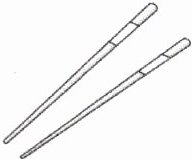
When you use a knife and fork, you have to take the knife with your right hand and the fork with your left hand, or you can't put food into your mouth. But with chopsticks, you can solve the eating problems with just one hand. 16.
Chopsticks were called zhu or jia in ancient China. It is said that they were invented by Da Yu, who successfully controlled the heavy flood (洪水). One day he was busy dealing with the flood. In order to save time when eating, he used two sticks from a tree to take the hot food. That was how chopsticks came into use. 17.
In fact, the earliest chopsticks found in China were made of bronze (青铜), which were unearthed (挖掘) from Yinxu in Anyang city, Henan Province.
18.
The influence of Chinese culture has stretched (延伸) far and wide. 20.
主题: 人与社会——文化习俗 学科素养: 文化意识 词数: 约 230 建议用时: 5 分钟
When you use a knife and fork, you have to take the knife with your right hand and the fork with your left hand, or you can't put food into your mouth. But with chopsticks, you can solve the eating problems with just one hand. 16.
B
Chopsticks were called zhu or jia in ancient China. It is said that they were invented by Da Yu, who successfully controlled the heavy flood (洪水). One day he was busy dealing with the flood. In order to save time when eating, he used two sticks from a tree to take the hot food. That was how chopsticks came into use. 17.
C
In fact, the earliest chopsticks found in China were made of bronze (青铜), which were unearthed (挖掘) from Yinxu in Anyang city, Henan Province.
18.
E
They are regarded as one of the symbols of Chinese food culture. Do you notice that one end of chopsticks is square and the other end is round? So, why? According to our ancestors, the round end symbolizes Heaven and the square end symbolizes Earth. 19. A
In Chinese culture, it shows the perfect combination (结合) of yin and yang.The influence of Chinese culture has stretched (延伸) far and wide. 20.
D
So it's unbelievable that foreigners cannot use chopsticks.
答案:
【主旨大意】本文是一篇说明文,文章介绍了筷子的来源以及文化意义。
16. B【点拨】根据上一句可知,此处是描述筷子的方便之处。选项 B“它们方便且高效。”符合语境。
17. C【点拨】根据上一句可知,此处是讲述了一个有关筷子来历的传说。选项 C“这是关于筷子的传说之一。”符合语境。
18. E【点拨】根据下一句可知,筷子被认为是中国饮食文化的象征之一。选项 E“许多人可能没有意识到筷子的文化意义。”符合语境。
19. A【点拨】根据上下文可推知此处是说筷子是成对使用的。选项 A“此外,筷子是成对使用的。”符合语境。
20. D【点拨】根据上一句可知,此处要给出关于文化延伸的例子。选项 D“全世界至少有 1.8 亿人在使用筷子。”符合语境。
16. B【点拨】根据上一句可知,此处是描述筷子的方便之处。选项 B“它们方便且高效。”符合语境。
17. C【点拨】根据上一句可知,此处是讲述了一个有关筷子来历的传说。选项 C“这是关于筷子的传说之一。”符合语境。
18. E【点拨】根据下一句可知,筷子被认为是中国饮食文化的象征之一。选项 E“许多人可能没有意识到筷子的文化意义。”符合语境。
19. A【点拨】根据上下文可推知此处是说筷子是成对使用的。选项 A“此外,筷子是成对使用的。”符合语境。
20. D【点拨】根据上一句可知,此处要给出关于文化延伸的例子。选项 D“全世界至少有 1.8 亿人在使用筷子。”符合语境。
查看更多完整答案,请扫码查看

