

 搜索
搜索
第72页
- 第1页
- 第2页
- 第3页
- 第4页
- 第5页
- 第6页
- 第7页
- 第8页
- 第9页
- 第10页
- 第11页
- 第12页
- 第13页
- 第14页
- 第15页
- 第16页
- 第17页
- 第18页
- 第19页
- 第20页
- 第21页
- 第22页
- 第23页
- 第24页
- 第25页
- 第26页
- 第27页
- 第28页
- 第29页
- 第30页
- 第31页
- 第32页
- 第33页
- 第34页
- 第35页
- 第36页
- 第37页
- 第38页
- 第39页
- 第40页
- 第41页
- 第42页
- 第43页
- 第44页
- 第45页
- 第46页
- 第47页
- 第48页
- 第49页
- 第50页
- 第51页
- 第52页
- 第53页
- 第54页
- 第55页
- 第56页
- 第57页
- 第58页
- 第59页
- 第60页
- 第61页
- 第62页
- 第63页
- 第64页
- 第65页
- 第66页
- 第67页
- 第68页
- 第69页
- 第70页
- 第71页
- 第72页
- 第73页
- 第74页
- 第75页
- 第76页
- 第77页
- 第78页
- 第79页
- 第80页
- 第81页
- 第82页
- 第83页
- 第84页
- 第85页
- 第86页
- 第87页
- 第88页
- 第89页
- 第90页
- 第91页
- 第92页
- 第93页
- 第94页
- 第95页
- 第96页
- 第97页
- 第98页
- 第99页
- 第100页
- 第101页
- 第102页
- 第103页
- 第104页
- 第105页
- 第106页
- 第107页
- 第108页
- 第109页
- 第110页
- 第111页
- 第112页
- 第113页
- 第114页
- 第115页
- 第116页
- 第117页
- 第118页
- 第119页
- 第120页
- 第121页
- 第122页
- 第123页
- 第124页
- 第125页
- 第126页
- 第127页
- 第128页
- 第129页
- 第130页
- 第131页
- 第132页
- 第133页
- 第134页
- 第135页
- 第136页
- 第137页
- 第138页
- 第139页
- 第140页
- 第141页
- 第142页
- 第143页
- 第144页
- 第145页
- 第146页
- 第147页
- 第148页
- 第149页
- 第150页
- 第151页
- 第152页
- 第153页
- 第154页
- 第155页
- 第156页
- 第157页
- 第158页
- 第159页
- 第160页
- 第161页
- 第162页
- 第163页
- 第164页
- 第165页
- 第166页
- 第167页
- 第168页
- 第169页
- 第170页
- 第171页
- 第172页
- 第173页
- 第174页
- 第175页
- 第176页
- 第177页
- 第178页
- 第179页
- 第180页
- 第181页
- 第182页
- 第183页
- 第184页
- 第185页
- 第186页
- 第187页
- 第188页
- 第189页
- 第190页
- 第191页
- 第192页
- 第193页
- 第194页
- 第195页
- 第196页
- 第197页
- 第198页
- 第199页
- 第200页
- 第201页
- 第202页
- 第203页
- 第204页
- 第205页
- 第206页
- 第207页
- 第208页
- 第209页
- 第210页
- 第211页
- 第212页
- 第213页
- 第214页
- 第215页
- 第216页
- 第217页
- 第218页
- 第219页
- 第220页
二、阅读下面短文,从方框内的选项中选出可以填入空白处的最佳选项。
A. address B. arrived in the city
C. couldn't remember D. directions
E. politely
Mrs. White has a son. His name is Sam White. The young man began to work in a post office in a city this Autumn. He asked his mother to visit the city. The old woman was happy and caught a train. She soon
“There are about forty post offices in our city,” said the old man.“Which one do you want to find?” The old woman gives Sam's letter to him, in which there is the
Mrs. White thanked the old man
“Oh dear!” the old man said.“Are you still looking for your son?”
A. address B. arrived in the city
C. couldn't remember D. directions
E. politely
Mrs. White has a son. His name is Sam White. The young man began to work in a post office in a city this Autumn. He asked his mother to visit the city. The old woman was happy and caught a train. She soon
B
, but she didn't know where the post office was. At a bus stop she asked an old man for D
,“Excuse me, sir. How can I get to the post office?”“There are about forty post offices in our city,” said the old man.“Which one do you want to find?” The old woman gives Sam's letter to him, in which there is the
A
of the post office. The old man says,“Walk along this street and take the fourth turning on the left. His post office is just there.”Mrs. White thanked the old man
E
and soon found her son. They were very happy. A week later the woman went to the zoo. She saw all kinds of animals. But she C
the way back to the post office. At the same bus stop she met the same old man and she asked the same question again.“Oh dear!” the old man said.“Are you still looking for your son?”
答案:
B; D; A; E; C
三、补全对话。根据对话内容,从下边方框中选出适当的选项补全对话。
A:Excuse me.
B:Of course. Are you a freshman(大一新生) at the university?
A:Yes.
B:Don't worry. Just go along this road for about 500 meters and turn right. The building is on your right.
A:Thanks a lot.
B:It starts at eight. I'm afraid you should hurry.
A:Oh, can I get there by bus?
B:
A:That would be nice!
B:You're welcome.
A. Thanks for offering to help me.
B. I'm on my way to class, but I'm lost.
C. Do you know when the first class begins?
D. Can you tell me the way to the Art Building?
E. Actually, there are no buses on campus(校园).
A:Excuse me.
D
B:Of course. Are you a freshman(大一新生) at the university?
A:Yes.
B
B:Don't worry. Just go along this road for about 500 meters and turn right. The building is on your right.
A:Thanks a lot.
C
B:It starts at eight. I'm afraid you should hurry.
A:Oh, can I get there by bus?
B:
E
But I can give you a lift.A:That would be nice!
A
B:You're welcome.
A. Thanks for offering to help me.
B. I'm on my way to class, but I'm lost.
C. Do you know when the first class begins?
D. Can you tell me the way to the Art Building?
E. Actually, there are no buses on campus(校园).
答案:
D; B; C; E; A
四、阅读短文,根据短文内容选择正确答案。
Have you noticed that “You're welcome” has largely been replaced by two new words—“No problem”?
Here is an example:
Shop keeper:“Here's your change, madam.”
Me:“Thank you.”
Shop keeper:“No problem.”
But, as for me, it is a problem. I want to be thanked for going to a shop. I don't want this automatic(机械的) reply.“You are welcome” means “You are welcome to shop here; thanks for letting us help you.” When I hear “no problem”, what I think is:“You're not helping me. I'll go somewhere else next time.”
There are other more phrases that make people annoyed, of course. But this one especially seems to just push people to one side. It seems to say,“I've taken care of you, so now leave me alone.” It seems to say that you are actually not “welcome”.
It's part of a whole, lazy culture. People don't notice each other. People can't be bothered(打扰). People sit close together in a coffee shop. But they don't talk. They just look at their smart phones. If you ask one of these people to move their chair a little so you can sit down, they reply,“No problem.” I don't feel that means “You're welcome to join the table.” I feel it means “no problem for you that you only bothered me a bit.”
Next time you're about to say those two words, stop for a minute. Make eye contact, and say with a smile,“You're welcome.”
Be a bit more polite? No problem.
(
A. It is more polite than “you're welcome”.
B. It makes her feel the connection between people.
C. People say this because they don't want to be bothered.
(
A. You need to improve more.
B. I'm happy to help with your questions.
C. It's alright that you've taken up my time.
(
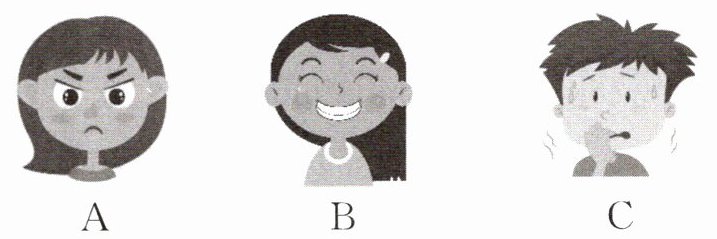
(
A. By explaining reasons and results.
B. By showing facts and using sayings.
C. By giving examples and making comparisons.
(
A. To explain why people like to say “no problem”.
B. To call on people to say “you're welcome” more.
C. To express the writer's feelings about “no problem”.
Have you noticed that “You're welcome” has largely been replaced by two new words—“No problem”?
Here is an example:
Shop keeper:“Here's your change, madam.”
Me:“Thank you.”
Shop keeper:“No problem.”
But, as for me, it is a problem. I want to be thanked for going to a shop. I don't want this automatic(机械的) reply.“You are welcome” means “You are welcome to shop here; thanks for letting us help you.” When I hear “no problem”, what I think is:“You're not helping me. I'll go somewhere else next time.”
There are other more phrases that make people annoyed, of course. But this one especially seems to just push people to one side. It seems to say,“I've taken care of you, so now leave me alone.” It seems to say that you are actually not “welcome”.
It's part of a whole, lazy culture. People don't notice each other. People can't be bothered(打扰). People sit close together in a coffee shop. But they don't talk. They just look at their smart phones. If you ask one of these people to move their chair a little so you can sit down, they reply,“No problem.” I don't feel that means “You're welcome to join the table.” I feel it means “no problem for you that you only bothered me a bit.”
Next time you're about to say those two words, stop for a minute. Make eye contact, and say with a smile,“You're welcome.”
Be a bit more polite? No problem.
(
C
)1. What does the writer think of “no problem”?A. It is more polite than “you're welcome”.
B. It makes her feel the connection between people.
C. People say this because they don't want to be bothered.
(
B
)2. If your teacher says “you're welcome”, what does he/she probably mean?A. You need to improve more.
B. I'm happy to help with your questions.
C. It's alright that you've taken up my time.
(
A
)3. According to Paragraph 7, which picture below shows an annoyed face?(
C
)4. How does the writer express her opinion?A. By explaining reasons and results.
B. By showing facts and using sayings.
C. By giving examples and making comparisons.
(
B
)5. What is the writing purpose(目的) of the passage?A. To explain why people like to say “no problem”.
B. To call on people to say “you're welcome” more.
C. To express the writer's feelings about “no problem”.
答案:
C; B; A; C; B
查看更多完整答案,请扫码查看

