

 搜索
搜索
第195页
- 第1页
- 第2页
- 第3页
- 第4页
- 第5页
- 第6页
- 第7页
- 第8页
- 第9页
- 第10页
- 第11页
- 第12页
- 第13页
- 第14页
- 第15页
- 第16页
- 第17页
- 第18页
- 第19页
- 第20页
- 第21页
- 第22页
- 第23页
- 第24页
- 第25页
- 第26页
- 第27页
- 第28页
- 第29页
- 第30页
- 第31页
- 第32页
- 第33页
- 第34页
- 第35页
- 第36页
- 第37页
- 第38页
- 第39页
- 第40页
- 第41页
- 第42页
- 第43页
- 第44页
- 第45页
- 第46页
- 第47页
- 第48页
- 第49页
- 第50页
- 第51页
- 第52页
- 第53页
- 第54页
- 第55页
- 第56页
- 第57页
- 第58页
- 第59页
- 第60页
- 第61页
- 第62页
- 第63页
- 第64页
- 第65页
- 第66页
- 第67页
- 第68页
- 第69页
- 第70页
- 第71页
- 第72页
- 第73页
- 第74页
- 第75页
- 第76页
- 第77页
- 第78页
- 第79页
- 第80页
- 第81页
- 第82页
- 第83页
- 第84页
- 第85页
- 第86页
- 第87页
- 第88页
- 第89页
- 第90页
- 第91页
- 第92页
- 第93页
- 第94页
- 第95页
- 第96页
- 第97页
- 第98页
- 第99页
- 第100页
- 第101页
- 第102页
- 第103页
- 第104页
- 第105页
- 第106页
- 第107页
- 第108页
- 第109页
- 第110页
- 第111页
- 第112页
- 第113页
- 第114页
- 第115页
- 第116页
- 第117页
- 第118页
- 第119页
- 第120页
- 第121页
- 第122页
- 第123页
- 第124页
- 第125页
- 第126页
- 第127页
- 第128页
- 第129页
- 第130页
- 第131页
- 第132页
- 第133页
- 第134页
- 第135页
- 第136页
- 第137页
- 第138页
- 第139页
- 第140页
- 第141页
- 第142页
- 第143页
- 第144页
- 第145页
- 第146页
- 第147页
- 第148页
- 第149页
- 第150页
- 第151页
- 第152页
- 第153页
- 第154页
- 第155页
- 第156页
- 第157页
- 第158页
- 第159页
- 第160页
- 第161页
- 第162页
- 第163页
- 第164页
- 第165页
- 第166页
- 第167页
- 第168页
- 第169页
- 第170页
- 第171页
- 第172页
- 第173页
- 第174页
- 第175页
- 第176页
- 第177页
- 第178页
- 第179页
- 第180页
- 第181页
- 第182页
- 第183页
- 第184页
- 第185页
- 第186页
- 第187页
- 第188页
- 第189页
- 第190页
- 第191页
- 第192页
- 第193页
- 第194页
- 第195页
- 第196页
- 第197页
- 第198页
- 第199页
- 第200页
- 第201页
- 第202页
- 第203页
- 第204页
- 第205页
- 第206页
- 第207页
- 第208页
- 第209页
- 第210页
- 第211页
- 第212页
- 第213页
- 第214页
- 第215页
- 第216页
- 第217页
- 第218页
- 第219页
- 第220页
四、阅读短文,根据短文内容选择正确答案。
The Hakka people, a Han Chinese subgroup (分支), have an unusual history, language and culture. Hundreds of years ago, they moved from their homeland in central China to Southeast China. In Chinese, Hakka means “guest families” as if these people were guests on the land.
Clearly, Hakka earth buildings are different from any other traditional architectural (建筑的) form. The buildings are not only huge in size, but quite strong. To build them, the Hakka people mix earth, sand, bamboo and other things together, and then tamp (填塞) the mixture into nearly - 2 - meter - thick walls which stand in a close circle finally. The heavy walls can not only keep the earth buildings warm in winter and cool in summer, but protect people against danger. If danger comes, the only door will be closed. People can stay safely in the building for a long time as there's enough space for food and water in it.
Some of the oldest earth buildings date back to the 12th century, and the latest examples were built in the last century. Sometimes people call them roundhouses. But actually, not all earth buildings are round. Square ones can be found as well.
Most of these buildings have three or four floors, and each one can hold hundreds of people—all sharing the same last name. The first floor is used for kitchens and dining rooms; the second floor is for keeping grain; and the third and fourth floors are used for bedrooms.
We Chinese always say, “A nearby neighbor is better than a distant relative.” The earth-building-living Hakka people have the best of both worlds, as neighbors are also relatives. However, these buildings are facing a problem: fewer and fewer people would like to live in them.
(
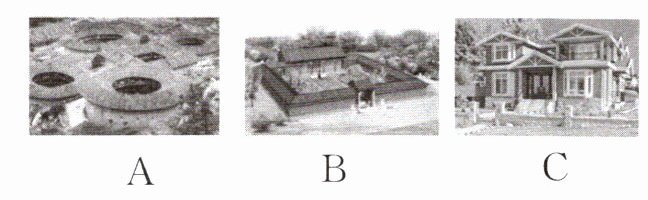
(
①Its advantages.
②Its history.
③The building process.
④The building materials.
⑤The possible dangers.
A. ①②④
B. ②③⑤
C. ①③④
(
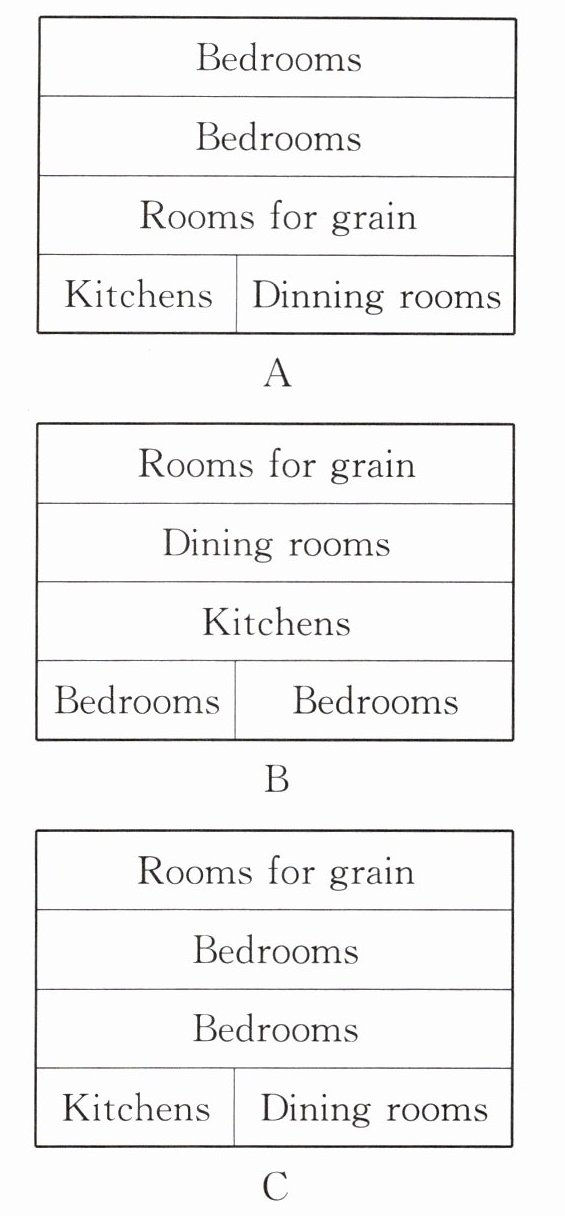
(
A. All the earth buildings are in the same shape.
B. People who live in a Hakka earth building are family.
C. The Hakka people like to live in earth buildings better than in tall buildings.
(
A. How do the Hakka people get along with each other?
B. Why are the Hakka people leaving the earth buildings?
C. Who don't the Hakka people want to share the buildings with?
The Hakka people, a Han Chinese subgroup (分支), have an unusual history, language and culture. Hundreds of years ago, they moved from their homeland in central China to Southeast China. In Chinese, Hakka means “guest families” as if these people were guests on the land.
Clearly, Hakka earth buildings are different from any other traditional architectural (建筑的) form. The buildings are not only huge in size, but quite strong. To build them, the Hakka people mix earth, sand, bamboo and other things together, and then tamp (填塞) the mixture into nearly - 2 - meter - thick walls which stand in a close circle finally. The heavy walls can not only keep the earth buildings warm in winter and cool in summer, but protect people against danger. If danger comes, the only door will be closed. People can stay safely in the building for a long time as there's enough space for food and water in it.
Some of the oldest earth buildings date back to the 12th century, and the latest examples were built in the last century. Sometimes people call them roundhouses. But actually, not all earth buildings are round. Square ones can be found as well.
Most of these buildings have three or four floors, and each one can hold hundreds of people—all sharing the same last name. The first floor is used for kitchens and dining rooms; the second floor is for keeping grain; and the third and fourth floors are used for bedrooms.
We Chinese always say, “A nearby neighbor is better than a distant relative.” The earth-building-living Hakka people have the best of both worlds, as neighbors are also relatives. However, these buildings are facing a problem: fewer and fewer people would like to live in them.
(
A
)1. Which may be the picture of the Hakka earth buildings?(
C
)2. What does the writer mention about the Hakka earth buildings in Paragraph 2?①Its advantages.
②Its history.
③The building process.
④The building materials.
⑤The possible dangers.
A. ①②④
B. ②③⑤
C. ①③④
(
A
)3. Which is the structure of the Hakka earth buildings?(
B
)4. What can we infer from this passage?A. All the earth buildings are in the same shape.
B. People who live in a Hakka earth building are family.
C. The Hakka people like to live in earth buildings better than in tall buildings.
(
B
)5. What will the writer talk about next most probably?A. How do the Hakka people get along with each other?
B. Why are the Hakka people leaving the earth buildings?
C. Who don't the Hakka people want to share the buildings with?
答案:
A; C; A; B; B
查看更多完整答案,请扫码查看

