

 搜索
搜索
第32页
- 第1页
- 第2页
- 第3页
- 第4页
- 第5页
- 第6页
- 第7页
- 第8页
- 第9页
- 第10页
- 第11页
- 第12页
- 第13页
- 第14页
- 第15页
- 第16页
- 第17页
- 第18页
- 第19页
- 第20页
- 第21页
- 第22页
- 第23页
- 第24页
- 第25页
- 第26页
- 第27页
- 第28页
- 第29页
- 第30页
- 第31页
- 第32页
- 第33页
- 第34页
- 第35页
- 第36页
- 第37页
- 第38页
- 第39页
- 第40页
- 第41页
- 第42页
- 第43页
- 第44页
- 第45页
- 第46页
- 第47页
- 第48页
- 第49页
- 第50页
- 第51页
- 第52页
- 第53页
- 第54页
- 第55页
- 第56页
- 第57页
- 第58页
- 第59页
- 第60页
- 第61页
- 第62页
- 第63页
- 第64页
- 第65页
- 第66页
- 第67页
- 第68页
- 第69页
- 第70页
- 第71页
- 第72页
- 第73页
- 第74页
- 第75页
- 第76页
- 第77页
- 第78页
- 第79页
- 第80页
- 第81页
- 第82页
- 第83页
- 第84页
- 第85页
- 第86页
- 第87页
- 第88页
- 第89页
- 第90页
- 第91页
- 第92页
- 第93页
- 第94页
- 第95页
- 第96页
- 第97页
- 第98页
- 第99页
- 第100页
- 第101页
- 第102页
- 第103页
- 第104页
- 第105页
- 第106页
- 第107页
- 第108页
- 第109页
- 第110页
- 第111页
- 第112页
- 第113页
- 第114页
- 第115页
- 第116页
- 第117页
- 第118页
- 第119页
- 第120页
- 第121页
- 第122页
- 第123页
- 第124页
- 第125页
- 第126页
- 第127页
- 第128页
- 第129页
- 第130页
- 第131页
- 第132页
- 第133页
- 第134页
- 第135页
- 第136页
- 第137页
- 第138页
- 第139页
- 第140页
- 第141页
- 第142页
- 第143页
- 第144页
- 第145页
- 第146页
- 第147页
- 第148页
- 第149页
- 第150页
- 第151页
- 第152页
- 第153页
- 第154页
- 第155页
- 第156页
- 第157页
- 第158页
- 第159页
- 第160页
- 第161页
- 第162页
- 第163页
- 第164页
- 第165页
- 第166页
- 第167页
- 第168页
- 第169页
- 第170页
- 第171页
- 第172页
- 第173页
- 第174页
- 第175页
- 第176页
- 第177页
- 第178页
- 第179页
- 第180页
- 第181页
- 第182页
- 第183页
- 第184页
- 第185页
- 第186页
- 第187页
- 第188页
- 第189页
- 第190页
- 第191页
- 第192页
- 第193页
- 第194页
- 第195页
- 第196页
- 第197页
- 第198页
- 第199页
- 第200页
- 第201页
- 第202页
- 第203页
- 第204页
- 第205页
- 第206页
- 第207页
- 第208页
- 第209页
- 第210页
- 第211页
- 第212页
- 第213页
- 第214页
- 第215页
- 第216页
- 第217页
- 第218页
- 第219页
- 第220页
四、阅读短文,根据短文内容选择正确答案。
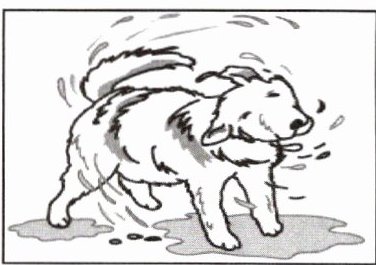
When we get wet, we need a towel to get ourselves dry. When a dog gets wet, all it needs is to shake its body. A study showed that a wet dog can throw off half the water on its body by shaking for less than a second. In fact, this common act of dogs works better than a washing machine.
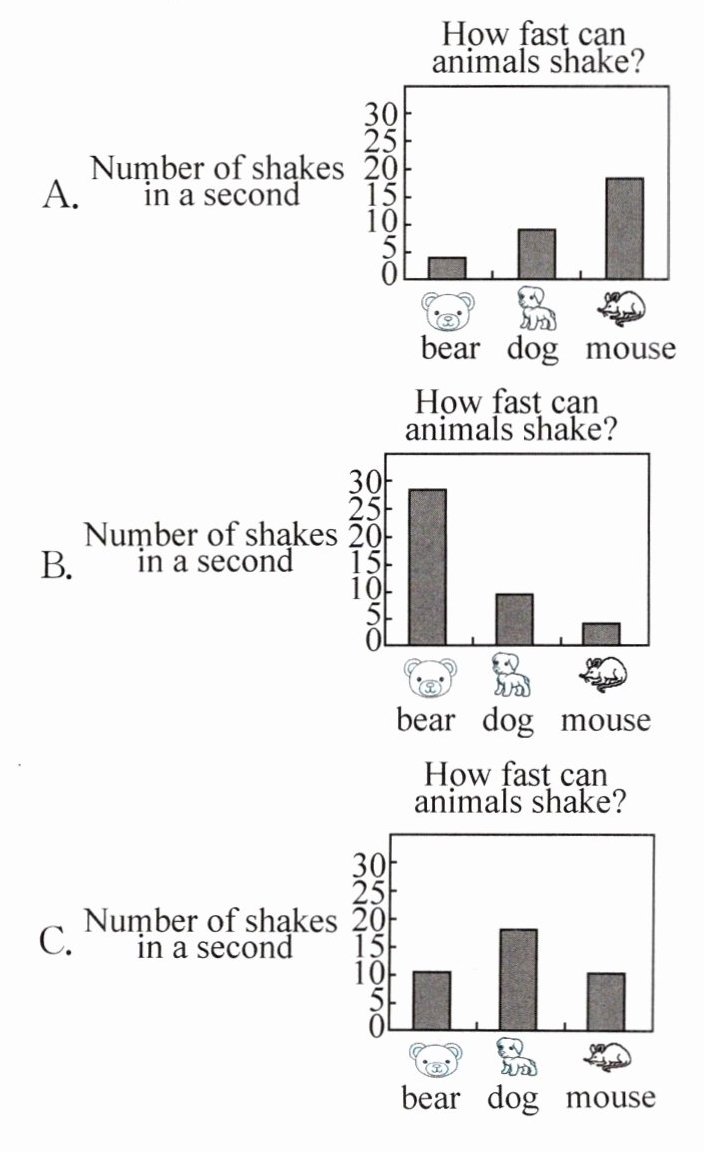
The study found that animal shaking begins with the head and ends with the tail. During a shake, the animal's head, body and skin(皮)all move. Smaller animals must shake faster than bigger animals to get water off. For example, in one second, a mouse can shake 18 times, a dog 6 times, and a bear 4 times. Bigger animals can get their bodies dry with fewer shakes.
For animals, shaking is not just about getting themselves dry. It is also about saving their lives. Being wet makes animals heavier, and that makes it harder to run. In the animal world, how fast an animal can run often decides whether it will live or not. Maybe that's why the "wet-dog shake" has become a common habit of many animals.
The "wet-dog shake" teaches us a lot! Scientists are working on a new study on how dogs shake off water. If they get any achievements, they can use them for new inventions to make people's life easier.
(
A. Animals use shaking as a way to make other animals scared and run away.
B. Shaking themselves dry may let animals run faster in dangerous situations.
C. The shaking of different kinds of animals begins with different body parts.
(
(
A. To discuss the similar living habits of different animals.
B. To explain how different kinds of animals shake off water.
C. To find out helpful ideas for humans from animal actions.
(
A. Some kinds of small animals shake less than some bigger animals.
B. The idea of washing machines came from the shaking of large animals.
C. Larger animals get themselves drier at each shake than smaller animals.
(
A. Creating some pet games for dogs.
B. Developing better pet care service.
C. Discussing possible new inventions.
When we get wet, we need a towel to get ourselves dry. When a dog gets wet, all it needs is to shake its body. A study showed that a wet dog can throw off half the water on its body by shaking for less than a second. In fact, this common act of dogs works better than a washing machine.
The study found that animal shaking begins with the head and ends with the tail. During a shake, the animal's head, body and skin(皮)all move. Smaller animals must shake faster than bigger animals to get water off. For example, in one second, a mouse can shake 18 times, a dog 6 times, and a bear 4 times. Bigger animals can get their bodies dry with fewer shakes.
For animals, shaking is not just about getting themselves dry. It is also about saving their lives. Being wet makes animals heavier, and that makes it harder to run. In the animal world, how fast an animal can run often decides whether it will live or not. Maybe that's why the "wet-dog shake" has become a common habit of many animals.
The "wet-dog shake" teaches us a lot! Scientists are working on a new study on how dogs shake off water. If they get any achievements, they can use them for new inventions to make people's life easier.
(
B
)1. What does the passage say about shaking?A. Animals use shaking as a way to make other animals scared and run away.
B. Shaking themselves dry may let animals run faster in dangerous situations.
C. The shaking of different kinds of animals begins with different body parts.
(
A
)2. Which of the following pictures is correct according to the second paragraph?(
C
)3. What is the main purpose of the new study in the last paragraph?A. To discuss the similar living habits of different animals.
B. To explain how different kinds of animals shake off water.
C. To find out helpful ideas for humans from animal actions.
(
C
)4. What can we learn from the passage?A. Some kinds of small animals shake less than some bigger animals.
B. The idea of washing machines came from the shaking of large animals.
C. Larger animals get themselves drier at each shake than smaller animals.
(
C
)5. What might the passage talk about next?A. Creating some pet games for dogs.
B. Developing better pet care service.
C. Discussing possible new inventions.
答案:
B; A; C; C; C
查看更多完整答案,请扫码查看

