

 搜索
搜索
第215页
- 第1页
- 第2页
- 第3页
- 第4页
- 第5页
- 第6页
- 第7页
- 第8页
- 第9页
- 第10页
- 第11页
- 第12页
- 第13页
- 第14页
- 第15页
- 第16页
- 第17页
- 第18页
- 第19页
- 第20页
- 第21页
- 第22页
- 第23页
- 第24页
- 第25页
- 第26页
- 第27页
- 第28页
- 第29页
- 第30页
- 第31页
- 第32页
- 第33页
- 第34页
- 第35页
- 第36页
- 第37页
- 第38页
- 第39页
- 第40页
- 第41页
- 第42页
- 第43页
- 第44页
- 第45页
- 第46页
- 第47页
- 第48页
- 第49页
- 第50页
- 第51页
- 第52页
- 第53页
- 第54页
- 第55页
- 第56页
- 第57页
- 第58页
- 第59页
- 第60页
- 第61页
- 第62页
- 第63页
- 第64页
- 第65页
- 第66页
- 第67页
- 第68页
- 第69页
- 第70页
- 第71页
- 第72页
- 第73页
- 第74页
- 第75页
- 第76页
- 第77页
- 第78页
- 第79页
- 第80页
- 第81页
- 第82页
- 第83页
- 第84页
- 第85页
- 第86页
- 第87页
- 第88页
- 第89页
- 第90页
- 第91页
- 第92页
- 第93页
- 第94页
- 第95页
- 第96页
- 第97页
- 第98页
- 第99页
- 第100页
- 第101页
- 第102页
- 第103页
- 第104页
- 第105页
- 第106页
- 第107页
- 第108页
- 第109页
- 第110页
- 第111页
- 第112页
- 第113页
- 第114页
- 第115页
- 第116页
- 第117页
- 第118页
- 第119页
- 第120页
- 第121页
- 第122页
- 第123页
- 第124页
- 第125页
- 第126页
- 第127页
- 第128页
- 第129页
- 第130页
- 第131页
- 第132页
- 第133页
- 第134页
- 第135页
- 第136页
- 第137页
- 第138页
- 第139页
- 第140页
- 第141页
- 第142页
- 第143页
- 第144页
- 第145页
- 第146页
- 第147页
- 第148页
- 第149页
- 第150页
- 第151页
- 第152页
- 第153页
- 第154页
- 第155页
- 第156页
- 第157页
- 第158页
- 第159页
- 第160页
- 第161页
- 第162页
- 第163页
- 第164页
- 第165页
- 第166页
- 第167页
- 第168页
- 第169页
- 第170页
- 第171页
- 第172页
- 第173页
- 第174页
- 第175页
- 第176页
- 第177页
- 第178页
- 第179页
- 第180页
- 第181页
- 第182页
- 第183页
- 第184页
- 第185页
- 第186页
- 第187页
- 第188页
- 第189页
- 第190页
- 第191页
- 第192页
- 第193页
- 第194页
- 第195页
- 第196页
- 第197页
- 第198页
- 第199页
- 第200页
- 第201页
- 第202页
- 第203页
- 第204页
- 第205页
- 第206页
- 第207页
- 第208页
- 第209页
- 第210页
- 第211页
- 第212页
- 第213页
- 第214页
- 第215页
- 第216页
- 第217页
- 第218页
- 第219页
- 第220页
一、短文填空。从下面方框中选出 10 个单词,将其正确形式填入短文,使短文意思正确、通顺 (每词限用一次)。
ancestor center four land long many mystery one outdoor reach solve slow
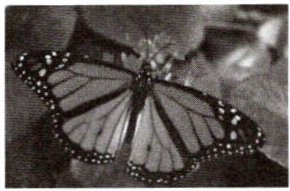
Monarch butterflies from eastern Canada make the most amazing journey in the insect world. Each year, the butterflies travel about 3,000 miles to their winter home in 1 Mexico. How can they fly so far? And why do they make this long and dangerous trip? It's still an 2 problem.
For many years, people in Mexico wondered where these butterflies came from every winter. In 1937, a scientist started to study the butterflies by following them 3 . For the next 20 years, he discovered that one butterfly started its journey in Canada. Four months later, it 4 in Mexico.
People feel confused not only about the length of the butterflies' trip. Another 5 thing is that the butterflies always return to the same area in Mexico.
How do the butterflies find their way back to the same place? This is an interesting question because only every fourth generation(代) makes the trip south.
Each year, four generations of a Monarch butterfly family are born. The first generation is born in the south in late April. It 6 moves north, reproduces(繁衍), and then dies. On the trip north, two 7 generations are born, reproduce, and die. Each of these generations of butterflies lives for about two to five weeks. In autumn, the fourth generation of butterflies is born. This generation has a much 8 life. It lives for about eight months. This generation makes the journey back to its 9 winter home. The butterflies spend the winter there, and in spring they reproduce and then die. Their babies will be the 10 generation of the next circle of life.
Today, people are still studying the Monarch butterflies. But they are not clear about everything.
ancestor center four land long many mystery one outdoor reach solve slow
Monarch butterflies from eastern Canada make the most amazing journey in the insect world. Each year, the butterflies travel about 3,000 miles to their winter home in 1 Mexico. How can they fly so far? And why do they make this long and dangerous trip? It's still an 2 problem.
For many years, people in Mexico wondered where these butterflies came from every winter. In 1937, a scientist started to study the butterflies by following them 3 . For the next 20 years, he discovered that one butterfly started its journey in Canada. Four months later, it 4 in Mexico.
People feel confused not only about the length of the butterflies' trip. Another 5 thing is that the butterflies always return to the same area in Mexico.
How do the butterflies find their way back to the same place? This is an interesting question because only every fourth generation(代) makes the trip south.
Each year, four generations of a Monarch butterfly family are born. The first generation is born in the south in late April. It 6 moves north, reproduces(繁衍), and then dies. On the trip north, two 7 generations are born, reproduce, and die. Each of these generations of butterflies lives for about two to five weeks. In autumn, the fourth generation of butterflies is born. This generation has a much 8 life. It lives for about eight months. This generation makes the journey back to its 9 winter home. The butterflies spend the winter there, and in spring they reproduce and then die. Their babies will be the 10 generation of the next circle of life.
Today, people are still studying the Monarch butterflies. But they are not clear about everything.
答案:
central; unsolved; outdoors; landed; mysterious; slowly; more; longer; ancestors'; first
二、补全短文。根据短文内容,从短文后的 A~F 选项中,选出 5 个适当的选项补全短文。
Have you noticed that time seems to pass more slowly when you're waiting in a long line? 1 Of course, time is always passing at the same speed—but why does it sometimes feel different?
2 Lead author Masamichi Hayashi and his research team in the US found that it has to do with neurons(神经元) in our brains that are sensitive to time.
The researchers measured(测量) the brain activity of 18 adults who were asked to look at an image(图像) on a screen for a certain length of time. They were then asked to guess how long they'd been looking at the image. 3
After looking at their brain activity, the researchers found neurons that fire(传递信号) in response to certain amounts of time. When they receive repetitive stimulation(重复的刺激) (such as staring at a screen), these neurons eventually get "tired" and don't work properly. 4 However, other neurons still work normally, causing an imbalance in the way that we experience time.
When you stand in line or do some other repetitive task, such as math homework, your time-sensitive neurons get tired and cause you to feel like time is going slowly. But when you're doing something more fast-paced, such as playing soccer, you experience the opposite effect. 5
Isn't it very interesting?
A. You may feel very impatient and want to leave there.
B. But when you're playing with your friends, hours seem like minutes.
C. A study published in the Journal of Neuroscience can tell us the answer.
D. Either way, you can't always trust your brain when it comes to your experience of time.
E. It doesn't matter whether this amount of time is long or short, as long as the stimulation is repetitive.
F. They tended to(倾向于)guess incorrectly when they were asked to stare at the image for very long or very short periods of time.
1.
2.
3.
4.
5.
Have you noticed that time seems to pass more slowly when you're waiting in a long line? 1 Of course, time is always passing at the same speed—but why does it sometimes feel different?
2 Lead author Masamichi Hayashi and his research team in the US found that it has to do with neurons(神经元) in our brains that are sensitive to time.
The researchers measured(测量) the brain activity of 18 adults who were asked to look at an image(图像) on a screen for a certain length of time. They were then asked to guess how long they'd been looking at the image. 3
After looking at their brain activity, the researchers found neurons that fire(传递信号) in response to certain amounts of time. When they receive repetitive stimulation(重复的刺激) (such as staring at a screen), these neurons eventually get "tired" and don't work properly. 4 However, other neurons still work normally, causing an imbalance in the way that we experience time.
When you stand in line or do some other repetitive task, such as math homework, your time-sensitive neurons get tired and cause you to feel like time is going slowly. But when you're doing something more fast-paced, such as playing soccer, you experience the opposite effect. 5
Isn't it very interesting?
A. You may feel very impatient and want to leave there.
B. But when you're playing with your friends, hours seem like minutes.
C. A study published in the Journal of Neuroscience can tell us the answer.
D. Either way, you can't always trust your brain when it comes to your experience of time.
E. It doesn't matter whether this amount of time is long or short, as long as the stimulation is repetitive.
F. They tended to(倾向于)guess incorrectly when they were asked to stare at the image for very long or very short periods of time.
1.
B
2.
C
3.
F
4.
E
5.
D
答案:
B; C; F; E; D
查看更多完整答案,请扫码查看

