

 搜索
搜索
第91页
- 第1页
- 第2页
- 第3页
- 第4页
- 第5页
- 第6页
- 第7页
- 第8页
- 第9页
- 第10页
- 第11页
- 第12页
- 第13页
- 第14页
- 第15页
- 第16页
- 第17页
- 第18页
- 第19页
- 第20页
- 第21页
- 第22页
- 第23页
- 第24页
- 第25页
- 第26页
- 第27页
- 第28页
- 第29页
- 第30页
- 第31页
- 第32页
- 第33页
- 第34页
- 第35页
- 第36页
- 第37页
- 第38页
- 第39页
- 第40页
- 第41页
- 第42页
- 第43页
- 第44页
- 第45页
- 第46页
- 第47页
- 第48页
- 第49页
- 第50页
- 第51页
- 第52页
- 第53页
- 第54页
- 第55页
- 第56页
- 第57页
- 第58页
- 第59页
- 第60页
- 第61页
- 第62页
- 第63页
- 第64页
- 第65页
- 第66页
- 第67页
- 第68页
- 第69页
- 第70页
- 第71页
- 第72页
- 第73页
- 第74页
- 第75页
- 第76页
- 第77页
- 第78页
- 第79页
- 第80页
- 第81页
- 第82页
- 第83页
- 第84页
- 第85页
- 第86页
- 第87页
- 第88页
- 第89页
- 第90页
- 第91页
- 第92页
- 第93页
- 第94页
- 第95页
- 第96页
- 第97页
- 第98页
- 第99页
- 第100页
- 第101页
- 第102页
- 第103页
- 第104页
- 第105页
- 第106页
- 第107页
- 第108页
- 第109页
- 第110页
- 第111页
- 第112页
- 第113页
- 第114页
- 第115页
- 第116页
- 第117页
- 第118页
- 第119页
- 第120页
- 第121页
- 第122页
- 第123页
- 第124页
- 第125页
- 第126页
- 第127页
- 第128页
- 第129页
- 第130页
- 第131页
- 第132页
- 第133页
- 第134页
- 第135页
- 第136页
- 第137页
- 第138页
- 第139页
- 第140页
- 第141页
- 第142页
- 第143页
- 第144页
- 第145页
- 第146页
- 第147页
- 第148页
- 第149页
- 第150页
- 第151页
- 第152页
- 第153页
- 第154页
- 第155页
- 第156页
- 第157页
- 第158页
- 第159页
- 第160页
- 第161页
- 第162页
- 第163页
- 第164页
- 第165页
- 第166页
- 第167页
- 第168页
- 第169页
- 第170页
- 第171页
- 第172页
- 第173页
- 第174页
- 第175页
- 第176页
- 第177页
- 第178页
- 第179页
- 第180页
- 第181页
- 第182页
- 第183页
- 第184页
- 第185页
- 第186页
- 第187页
- 第188页
- 第189页
- 第190页
- 第191页
- 第192页
- 第193页
- 第194页
- 第195页
- 第196页
- 第197页
- 第198页
- 第199页
- 第200页
- 第201页
- 第202页
- 第203页
- 第204页
- 第205页
- 第206页
- 第207页
- 第208页
- 第209页
- 第210页
- 第211页
- 第212页
- 第213页
- 第214页
- 第215页
- 第216页
- 第217页
- 第218页
- 第219页
- 第220页
- 第221页
- 第222页
- 第223页
- 第224页
- 第225页
- 第226页
D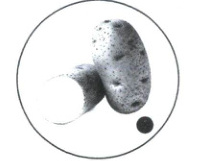
Global warming makes it harder for food crops to grow. But here comes the exciting news. Dr Katherine Meacham-Hensold and her team members from the University of Essex have produced something amazing—super potatoes, which grow well in the warm weather.
As we know, the potato is one of the most important food crops in the world, right after the main crop rice. Also, the potato's growth can easily be affected (影响) by the higher temperature. That's why the production (生产,产量) of super potatoes becomes so important.
To produce super potatoes, scientists did research at a farm. They set up two groups: One group used common potatoes, while the potatoes in the other group were genetically modified (基因改造) with two special genes (基因). By adding these two genes, scientists could change the growth of the potatoes. At the same time, the potatoes got more energy for growth. The scientists tested the two groups of potatoes by growing both of them at a temperature 3°C above the average.
Scientists were surprised to find that, under this condition, the potatoes with two special genes produced 30% more than common ones. The process didn't affect the potatoes' taste. What's more, the potatoes could provide the same nutrients (营养物) for living things to grow.
"It is important to grow crops that can survive the climate change," Dr Katherine said. As a result, people can grow super potatoes in places most at risk from global warming.
The super potato research turned out to be meaningful. In the future, scientists will try growing more potatoes in different places to see how new environments affect their growth. Besides, the team also hope to change other crops to fight against global warming.
27. Why do scientists choose potatoes to do the research?
A. They have higher production than rice.
B. It is hard to grow them in some countries.
C. There aren't enough potatoes in the world.
D. Potatoes are important but affected by heat.
28. How did scientists do the research of super potatoes?
A. They put potatoes in the sun to get energy.
B. They grew potatoes at a lower temperature.
C. They added genes to change the potatoes' growth.
D. They planted two groups of potatoes at different farms.
29. What did the scientists find in the research?
A. Super potatoes tasted much more delicious.
B. The research reduced the nutrients in super potatoes.
C. Super potatoes had higher production than common ones.
D. Other crops could grow well in the heat like super potatoes.
30. What can be the best title of the text?
A. Crops that Slow Warm Weather
B. Crops that Fight Climate Change
C. Genes that Help Potatoes Grow Well
D. Genes that Increase Food Production
Global warming makes it harder for food crops to grow. But here comes the exciting news. Dr Katherine Meacham-Hensold and her team members from the University of Essex have produced something amazing—super potatoes, which grow well in the warm weather.
As we know, the potato is one of the most important food crops in the world, right after the main crop rice. Also, the potato's growth can easily be affected (影响) by the higher temperature. That's why the production (生产,产量) of super potatoes becomes so important.
To produce super potatoes, scientists did research at a farm. They set up two groups: One group used common potatoes, while the potatoes in the other group were genetically modified (基因改造) with two special genes (基因). By adding these two genes, scientists could change the growth of the potatoes. At the same time, the potatoes got more energy for growth. The scientists tested the two groups of potatoes by growing both of them at a temperature 3°C above the average.
Scientists were surprised to find that, under this condition, the potatoes with two special genes produced 30% more than common ones. The process didn't affect the potatoes' taste. What's more, the potatoes could provide the same nutrients (营养物) for living things to grow.
"It is important to grow crops that can survive the climate change," Dr Katherine said. As a result, people can grow super potatoes in places most at risk from global warming.
The super potato research turned out to be meaningful. In the future, scientists will try growing more potatoes in different places to see how new environments affect their growth. Besides, the team also hope to change other crops to fight against global warming.
27. Why do scientists choose potatoes to do the research?
A. They have higher production than rice.
B. It is hard to grow them in some countries.
C. There aren't enough potatoes in the world.
D. Potatoes are important but affected by heat.
28. How did scientists do the research of super potatoes?
A. They put potatoes in the sun to get energy.
B. They grew potatoes at a lower temperature.
C. They added genes to change the potatoes' growth.
D. They planted two groups of potatoes at different farms.
29. What did the scientists find in the research?
A. Super potatoes tasted much more delicious.
B. The research reduced the nutrients in super potatoes.
C. Super potatoes had higher production than common ones.
D. Other crops could grow well in the heat like super potatoes.
30. What can be the best title of the text?
A. Crops that Slow Warm Weather
B. Crops that Fight Climate Change
C. Genes that Help Potatoes Grow Well
D. Genes that Increase Food Production
答案:
27—30 DCCB
第二节 任务型阅读(共5小题;每小题2分,满分10分)
阅读下面材料,从方框中所给的A—E五个选项中选择正确选项(


阅读下面材料,从方框中所给的A—E五个选项中选择正确选项(
其
中
一
项
是
多
余
选项),将其序号填入31—34小题,并回答第35小题。
答案:
31—34 CBAE 35. I know you may feel disappointed. I’m always here for you. (或I know you tried your best. You can do better next game. 或Don’t give up! Let’s practice more for the next game.)
查看更多完整答案,请扫码查看

