

 搜索
搜索
第156页
- 第1页
- 第2页
- 第3页
- 第4页
- 第5页
- 第6页
- 第7页
- 第8页
- 第9页
- 第10页
- 第11页
- 第12页
- 第13页
- 第14页
- 第15页
- 第16页
- 第17页
- 第18页
- 第19页
- 第20页
- 第21页
- 第22页
- 第23页
- 第24页
- 第25页
- 第26页
- 第27页
- 第28页
- 第29页
- 第30页
- 第31页
- 第32页
- 第33页
- 第34页
- 第35页
- 第36页
- 第37页
- 第38页
- 第39页
- 第40页
- 第41页
- 第42页
- 第43页
- 第44页
- 第45页
- 第46页
- 第47页
- 第48页
- 第49页
- 第50页
- 第51页
- 第52页
- 第53页
- 第54页
- 第55页
- 第56页
- 第57页
- 第58页
- 第59页
- 第60页
- 第61页
- 第62页
- 第63页
- 第64页
- 第65页
- 第66页
- 第67页
- 第68页
- 第69页
- 第70页
- 第71页
- 第72页
- 第73页
- 第74页
- 第75页
- 第76页
- 第77页
- 第78页
- 第79页
- 第80页
- 第81页
- 第82页
- 第83页
- 第84页
- 第85页
- 第86页
- 第87页
- 第88页
- 第89页
- 第90页
- 第91页
- 第92页
- 第93页
- 第94页
- 第95页
- 第96页
- 第97页
- 第98页
- 第99页
- 第100页
- 第101页
- 第102页
- 第103页
- 第104页
- 第105页
- 第106页
- 第107页
- 第108页
- 第109页
- 第110页
- 第111页
- 第112页
- 第113页
- 第114页
- 第115页
- 第116页
- 第117页
- 第118页
- 第119页
- 第120页
- 第121页
- 第122页
- 第123页
- 第124页
- 第125页
- 第126页
- 第127页
- 第128页
- 第129页
- 第130页
- 第131页
- 第132页
- 第133页
- 第134页
- 第135页
- 第136页
- 第137页
- 第138页
- 第139页
- 第140页
- 第141页
- 第142页
- 第143页
- 第144页
- 第145页
- 第146页
- 第147页
- 第148页
- 第149页
- 第150页
- 第151页
- 第152页
- 第153页
- 第154页
- 第155页
- 第156页
- 第157页
- 第158页
- 第159页
- 第160页
- 第161页
- 第162页
- 第163页
- 第164页
- 第165页
- 第166页
- 第167页
- 第168页
- 第169页
- 第170页
- 第171页
- 第172页
- 第173页
- 第174页
- 第175页
- 第176页
- 第177页
- 第178页
- 第179页
- 第180页
- 第181页
- 第182页
- 第183页
- 第184页
- 第185页
- 第186页
- 第187页
- 第188页
- 第189页
- 第190页
- 第191页
- 第192页
- 第193页
- 第194页
- 第195页
- 第196页
- 第197页
- 第198页
- 第199页
- 第200页
- 第201页
- 第202页
- 第203页
- 第204页
- 第205页
- 第206页
- 第207页
- 第208页
- 第209页
- 第210页
- 第211页
- 第212页
- 第213页
- 第214页
- 第215页
- 第216页
- 第217页
- 第218页
- 第219页
- 第220页
- 第221页
- 第222页
- 第223页
- 第224页
- 第225页
- 第226页
D
①How did you spend your last holiday? Did you just stare at a screen from morning till night? Well, you are not alone. A new survey shows that the average Chinese person spends over five and a half hours online every day. That's a lot of time scrolling(滚屏) and watching videos! But is this really helping us relax, or is it just making our brains tired?
②First, let's think about how we spend our time online. Most of us watch short videos rather than learning something new. This kind of low-value material doesn't help us relax—it actually makes our thinking less clear. The term “brain rot” perfectly describes what happens when we spend too much time on meaningless online things.
③Meanwhile, using the Internet is like eating your favorite snack: it's hard to stop. Our phones and tablets are full of endless short videos and memes, making them like personal fun factories. It's easy and comfortable to just sit and scroll for hours, but this “easy fun” comes at a cost. The more time we spend on screens, the less we enjoy real life. We're missing out on beautiful sunsets, heartfelt thanks, and fun hobbies. When did our lives become so boring?
④Also, we're forgetting how to relax in a meaningful way. Free time shouldn't just be about watching Douyin or Bilibili. Instead, it should be a chance to connect with the world. Nature doesn't have Wi-Fi, but it has fresh air, sunlight, and birdsong. Spending time with friends in real life is much better than laughing alone at a meme on your screen.
⑤In short, life isn't about how much time you have—it's about how you use it. Screens are here to stay, but they shouldn't take over our free time. The summer holiday is coming soon. Will you choose to do something more meaningful? Remember, “brain rot” is real!
27. What does “brain rot” mean in the passage?
A. Enjoying real-life activities.
B. Learning something new online.
C. Feeling sad after watching videos.
D. Thinking less clearly because of screen time.
28. Why does the author compare Internet to snacks?
A. It's a waste of time.
B. It's not easy to control.
C. It's bad for one's health.
D. It's one way to have fun.
29. What does the author suggest for a meaningful holiday?
A. Chat with friends online.
B. Stay indoors and use Wi-Fi.
C. Spend time in nature or with friends.
D. Watch more educational videos.
30. What's the structure of the passage?
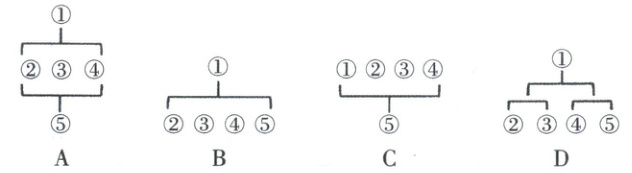
①How did you spend your last holiday? Did you just stare at a screen from morning till night? Well, you are not alone. A new survey shows that the average Chinese person spends over five and a half hours online every day. That's a lot of time scrolling(滚屏) and watching videos! But is this really helping us relax, or is it just making our brains tired?
②First, let's think about how we spend our time online. Most of us watch short videos rather than learning something new. This kind of low-value material doesn't help us relax—it actually makes our thinking less clear. The term “brain rot” perfectly describes what happens when we spend too much time on meaningless online things.
③Meanwhile, using the Internet is like eating your favorite snack: it's hard to stop. Our phones and tablets are full of endless short videos and memes, making them like personal fun factories. It's easy and comfortable to just sit and scroll for hours, but this “easy fun” comes at a cost. The more time we spend on screens, the less we enjoy real life. We're missing out on beautiful sunsets, heartfelt thanks, and fun hobbies. When did our lives become so boring?
④Also, we're forgetting how to relax in a meaningful way. Free time shouldn't just be about watching Douyin or Bilibili. Instead, it should be a chance to connect with the world. Nature doesn't have Wi-Fi, but it has fresh air, sunlight, and birdsong. Spending time with friends in real life is much better than laughing alone at a meme on your screen.
⑤In short, life isn't about how much time you have—it's about how you use it. Screens are here to stay, but they shouldn't take over our free time. The summer holiday is coming soon. Will you choose to do something more meaningful? Remember, “brain rot” is real!
27. What does “brain rot” mean in the passage?
A. Enjoying real-life activities.
B. Learning something new online.
C. Feeling sad after watching videos.
D. Thinking less clearly because of screen time.
28. Why does the author compare Internet to snacks?
A. It's a waste of time.
B. It's not easy to control.
C. It's bad for one's health.
D. It's one way to have fun.
29. What does the author suggest for a meaningful holiday?
A. Chat with friends online.
B. Stay indoors and use Wi-Fi.
C. Spend time in nature or with friends.
D. Watch more educational videos.
30. What's the structure of the passage?
答案:
27.D 28.B 29.C 30.A
![]
第二节 任务型阅读(共 5 小题;每小题 2 分,满分 10 分)
阅读下面材料,从方框中所给的 A—E 五个选项中选出正确选项(
How to Communicate Better
Do you know why some people can't understand your ideas clearly? Have you ever felt unheard even after talking a lot? 31 Here are some tips to make your communication clearer.
Keep your audience(观众) in mind.
Talk about what your audience cares about. People are more likely to listen if you discuss things they find important. Focus on what matters to them. This will make them more interested and want to understand the information.
32
Don't use ten words when one will do. Even the most interested people can get bored. Keep your message simple and straight. Remember, you already know what you're going to say, but they are hearing it for the first time. Make it easy and clear for them to follow.
Let others join in.
If you've ever been a teacher or coach, you know that teaching others helps you learn better. Ask your audience to share their ideas or explain topics. 33 This helps them develop their own communication skills and stay involved.
Choose the right way to communicate.
If the information isn't important right away, consider sending an email. Written communication gives people more time to think about the message and ask questions. 34.
Building good communication skills takes time, but the results are worth it. By practicing these tips, you can become a better communicator and connect more effectively with others.
A. Let them join and lead discussions.
B. This way, they can review the email later.
C. Be simple and clear.
D. Pay attention to your body language.
E. If so, it's time to rethink how you communicate.
35. Which of these tips do you think is the most important, and why? (不超过 20 词)
________
第二节 任务型阅读(共 5 小题;每小题 2 分,满分 10 分)
阅读下面材料,从方框中所给的 A—E 五个选项中选出正确选项(
其
中
一
项
是
多
余
选
项
),将其序号填入 31—34 题,并回答第 35 小题。How to Communicate Better
Do you know why some people can't understand your ideas clearly? Have you ever felt unheard even after talking a lot? 31 Here are some tips to make your communication clearer.
Keep your audience(观众) in mind.
Talk about what your audience cares about. People are more likely to listen if you discuss things they find important. Focus on what matters to them. This will make them more interested and want to understand the information.
32
Don't use ten words when one will do. Even the most interested people can get bored. Keep your message simple and straight. Remember, you already know what you're going to say, but they are hearing it for the first time. Make it easy and clear for them to follow.
Let others join in.
If you've ever been a teacher or coach, you know that teaching others helps you learn better. Ask your audience to share their ideas or explain topics. 33 This helps them develop their own communication skills and stay involved.
Choose the right way to communicate.
If the information isn't important right away, consider sending an email. Written communication gives people more time to think about the message and ask questions. 34.
Building good communication skills takes time, but the results are worth it. By practicing these tips, you can become a better communicator and connect more effectively with others.
A. Let them join and lead discussions.
B. This way, they can review the email later.
C. Be simple and clear.
D. Pay attention to your body language.
E. If so, it's time to rethink how you communicate.
35. Which of these tips do you think is the most important, and why? (不超过 20 词)
________
答案:
31.E 32.C 33.A 34.B 35.Let others join in the topic. Because it makes conversations more interesting and enjoyable.
查看更多完整答案,请扫码查看

