

 搜索
搜索
第73页
- 第1页
- 第2页
- 第3页
- 第4页
- 第5页
- 第6页
- 第7页
- 第8页
- 第9页
- 第10页
- 第11页
- 第12页
- 第13页
- 第14页
- 第15页
- 第16页
- 第17页
- 第18页
- 第19页
- 第20页
- 第21页
- 第22页
- 第23页
- 第24页
- 第25页
- 第26页
- 第27页
- 第28页
- 第29页
- 第30页
- 第31页
- 第32页
- 第33页
- 第34页
- 第35页
- 第36页
- 第37页
- 第38页
- 第39页
- 第40页
- 第41页
- 第42页
- 第43页
- 第44页
- 第45页
- 第46页
- 第47页
- 第48页
- 第49页
- 第50页
- 第51页
- 第52页
- 第53页
- 第54页
- 第55页
- 第56页
- 第57页
- 第58页
- 第59页
- 第60页
- 第61页
- 第62页
- 第63页
- 第64页
- 第65页
- 第66页
- 第67页
- 第68页
- 第69页
- 第70页
- 第71页
- 第72页
- 第73页
- 第74页
- 第75页
- 第76页
- 第77页
- 第78页
- 第79页
- 第80页
- 第81页
- 第82页
- 第83页
- 第84页
- 第85页
- 第86页
- 第87页
- 第88页
- 第89页
- 第90页
- 第91页
- 第92页
- 第93页
- 第94页
- 第95页
- 第96页
- 第97页
- 第98页
- 第99页
- 第100页
- 第101页
- 第102页
- 第103页
- 第104页
- 第105页
- 第106页
- 第107页
- 第108页
- 第109页
- 第110页
- 第111页
- 第112页
- 第113页
- 第114页
- 第115页
- 第116页
- 第117页
(
A.brings; to
B.brought; to
C.brought; for
D.brings; for
C
)6.Mike eggs breakfast. And he drank some milk.A.brings; to
B.brought; to
C.brought; for
D.brings; for
答案:
C
由“drank”可知时态为一般过去时,bring的过去式是brought;“for breakfast”表示“作为早餐”,是固定搭配,故选C。
由“drank”可知时态为一般过去时,bring的过去式是brought;“for breakfast”表示“作为早餐”,是固定搭配,故选C。
(
A.get; got
B.got; get
C.gets; got
D.gets; get
C
)7.Jack usually up at six o'clock. But he up at seven this morning.A.get; got
B.got; get
C.gets; got
D.gets; get
答案:
C
第一空,“usually”提示一般现在时,主语Jack是第三人称单数,get用gets;第二空,“this morning”提示一般过去时,get用got。故选C。
第一空,“usually”提示一般现在时,主语Jack是第三人称单数,get用gets;第二空,“this morning”提示一般过去时,get用got。故选C。
(
A.PUSH
B.PULL
C.EXIT
D.ENTRANCE
C
)8.(无锡期末)Which sign tells us the way out of a building?A.PUSH
B.PULL
C.EXIT
D.ENTRANCE
答案:
C
EXIT是“出口”的标识,符合“建筑物出口”的语境,故选C。
EXIT是“出口”的标识,符合“建筑物出口”的语境,故选C。
(
A.metro
B.subway
C.underground
D.train
C
)9.In the UK, people call the metro “”.A.metro
B.subway
C.underground
D.train
答案:
C
英国对地铁的常用称呼是underground,故选C。
英国对地铁的常用称呼是underground,故选C。
(

B
)10.生活运用 I have some old newspapers. Which bin should I put them in?
答案:
B
旧报纸属于可回收物,对应可回收物垃圾桶(通常有循环箭头标识),故选B。
旧报纸属于可回收物,对应可回收物垃圾桶(通常有循环箭头标识),故选B。
八、根据图片和上下文提示补全短文,每空一词。(8 分)
Last
Last
Saturday
afternoon, I went to the supermarket
with my mum. On the road, I saw an old lady with a big heavy bag in her hand. She walked
slowly. She wanted to cross the road. There were many cars and bikes
. She looked worried. I walked to her quickly and said, Be careful
, madam. Your bag looks very heavy
. Let me help you.” Then, she took out an apple from her bag and said, “Thank you. You are really a good girl! Have an apple, please.” “Not at all, madam. Goodbye,” I said and left. I like helping people. It makes me happy
. What about you?
答案:
Saturday
提示:图片是写有 “SAT.” 的日历,“SAT.” 是 Saturday(星期六)的缩写,结合 “Last”(上一个),填 Saturday。
supermarket
提示:图片是带有 “超市” 字样的建筑,“go to the supermarket” 是 “去超市” 的固定搭配,填 supermarket。
walked
提示:图片是一位女士走路的姿态,结合 “Last Saturday afternoon”(上周六下午)的过去时态,walk 的过去式是 walked,填 walked。
bikes
提示:图片是自行车,“many” 后接可数名词复数,bike 的复数是 bikes,填 bikes。
Be careful/Look out
提示:图片是 “注意危险” 的警示标志,结合过马路的场景,“Be careful” 或 “Look out” 表示 “小心”,句首首字母大写,填 Be careful/Look out。
heavy
提示:图片是一位女士吃力拿包的样子,结合前文 “big heavy bag”,填 heavy(重的)。
happy
提示:图片是笑脸,结合 “帮助别人让我……” 的语境,填 happy(开心的)。
九、创新话题 完形填空。(10 分)
People used pictures to communicate(交流) in ancient times. Some people 1 on the walls of caves. Then writing developed(发展) in many places. Writing helps us share information 2 distance(距离) and time.
Chinese writing is based on 3. It has thousands of signs. The signs are made of strokes from a 4 or pen. The writer does the strokes in a special order. For example, top strokes come 5. What about English? As you know, the English alphabet has only 6 letters. But they can make millions of words.
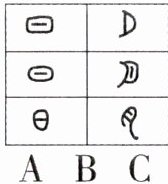
Writing has some problems. First, there are hundreds of languages and alphabets. Second, some people use the same alphabet in different 7. So signs and symbols come in handy. Imagine(想象) you're in another country and don't 8 the language. Pictures and symbols can help you 9 things! For example, the “!” is a symbol of 10 in many countries.

(
(
(
(
(
(
(
(
(
(
People used pictures to communicate(交流) in ancient times. Some people 1 on the walls of caves. Then writing developed(发展) in many places. Writing helps us share information 2 distance(距离) and time.
Chinese writing is based on 3. It has thousands of signs. The signs are made of strokes from a 4 or pen. The writer does the strokes in a special order. For example, top strokes come 5. What about English? As you know, the English alphabet has only 6 letters. But they can make millions of words.
Writing has some problems. First, there are hundreds of languages and alphabets. Second, some people use the same alphabet in different 7. So signs and symbols come in handy. Imagine(想象) you're in another country and don't 8 the language. Pictures and symbols can help you 9 things! For example, the “!” is a symbol of 10 in many countries.
(
B
)1. A. wrote B. drew C. paint D. knocked(
A
)2. A. over B. on C. under D. above(
C
)3. A. letters B. numbers C. pictures D. sounds(
D
)4. A. ruler B. quill C. paper D. brush(
A
)5. A. first B. second C. third D. last(
D
)6. A. 10 B. 18 C. 24 D. 26(
B
)7. A. countries B. ways C. ideas D. thoughts(
D
)8. A. say B. talk C. tell D. speak(
C
)9. A. mean B. get C. understand D. follow(
D
)10. A. help B. fear C. hurt D. danger
答案:
1. B
句意:有些人在洞穴的墙上画画。
A. 写 B. 画 C. 绘画(动词原形) D. 敲
解析:前文提到 “People used pictures to communicate”(人们用图画交流),因此 “在洞穴墙上画(画)” 符合语境,draw 的过去式是 drew,故选 B。
2. A
句意:文字帮助我们跨越距离和时间分享信息。
A. 跨越 B. 在…… 上 C. 在…… 下 D. 在…… 上方
解析:“over distance and time” 是固定搭配,意为 “跨越距离和时间”,故选 A。
3. C
句意:中文有数千个汉字。
A. 字母 B. 数字 C. 图画 D. 声音
解析:图片展示了从图画到汉字的演变过程,如“日”“月”“水”等汉字由图画发展而来,中文书写最初源于“图画”,因此选C。
4. D
句意:这些符号由毛笔或钢笔的笔画构成。
A. 尺子 B. 羽毛笔 C. 纸 D. 毛笔
解析:中文书写传统工具是 “毛笔(brush)”,故选 D。
5. A
句意:例如,顶部的笔画先写。
A. 首先 B. 第二 C. 第三 D. 最后
解析:中文笔画顺序讲究 “从上到下”,因此顶部笔画 “先” 写,故选 A。
6. D
句意:如你所知,英语字母表只有 26 个字母。
A. 10 B. 18 C. 24 D. 26
解析:英语字母表有 26 个字母,这是常识,故选 D。
7. B
句意:其次,有些人在不同的方式中使用相同的字母表。
A. 国家 B. 方式 C. 想法 D. 思想
解析:“in different ways” 是固定搭配,意为 “以不同的方式”,故选 B。
8. D
句意:想象一下你在另一个国家,不懂当地语言。
A. 说(后接内容) B. 谈论(后接 with/about) C. 告诉 D. 说(后接语言)
解析:“speak the language” 是固定搭配,意为 “说某种语言”,故选 D。
9. C
句意:图画和符号可以帮助你理解事物!
A. 意思是 B. 得到 C. 理解 D. 跟随
解析:在不懂语言时,图画和符号能帮助 “理解” 事物,故选 C。
10. D
句意:例如,“!” 在许多国家是危险的符号。
A. 帮助 B. 恐惧 C. 伤害 D. 危险
解析:“!” 通常用于警示 “危险(danger)”,故选 D。
查看更多完整答案,请扫码查看

