

 搜索
搜索
第11页
- 第1页
- 第2页
- 第3页
- 第4页
- 第5页
- 第6页
- 第7页
- 第8页
- 第9页
- 第10页
- 第11页
- 第12页
- 第13页
- 第14页
- 第15页
- 第16页
- 第17页
- 第18页
- 第19页
- 第20页
- 第21页
- 第22页
- 第23页
- 第24页
- 第25页
- 第26页
- 第27页
- 第28页
- 第29页
- 第30页
- 第31页
- 第32页
- 第33页
- 第34页
- 第35页
- 第36页
- 第37页
- 第38页
- 第39页
- 第40页
- 第41页
- 第42页
- 第43页
- 第44页
- 第45页
- 第46页
- 第47页
- 第48页
- 第49页
- 第50页
- 第51页
- 第52页
- 第53页
- 第54页
- 第55页
- 第56页
- 第57页
- 第58页
- 第59页
- 第60页
- 第61页
- 第62页
- 第63页
- 第64页
- 第65页
- 第66页
- 第67页
- 第68页
- 第69页
- 第70页
- 第71页
- 第72页
- 第73页
- 第74页
- 第75页
- 第76页
- 第77页
- 第78页
- 第79页
- 第80页
- 第81页
- 第82页
- 第83页
- 第84页
- 第85页
- 第86页
- 第87页
- 第88页
- 第89页
- 第90页
- 第91页
- 第92页
- 第93页
- 第94页
- 第95页
- 第96页
- 第97页
- 第98页
- 第99页
- 第100页
- 第101页
- 第102页
- 第103页
- 第104页
- 第105页
- 第106页
- 第107页
- 第108页
- 第109页
- 第110页
- 第111页
- 第112页
- 第113页
- 第114页
- 第115页
- 第116页
- 第117页
五、词汇检测。(15 分)
A. 根据句意、首字母或图片提示,填词完成句子。(7 分)
1. Yesterday(昨天) my friend Tom v
2. The girl p
3. Jack has a lot of toys. He often s
4. (2024·南京期中)Don't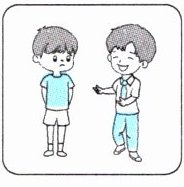
5. The first class s
6. Bobby, it is your t
7. Liu Tao is my cousin. We are both our grandparents'
B. 用所给单词的适当形式填空。(8 分)
1. There
2. The students
3. She wanted
4. One day, the king
5. Ben often
6. They are
A. 根据句意、首字母或图片提示,填词完成句子。(7 分)
1. Yesterday(昨天) my friend Tom v
visited
me.2. The girl p
pointed
at the photo and said, “Look! This is me!”3. Jack has a lot of toys. He often s
shows
them to me. The toys are very lovely.4. (2024·南京期中)Don't
laugh
at other students anytime. It's impolite(不礼貌的).5. The first class s
started
at 8:00, but I was late.6. Bobby, it is your t
turn
to make a wish now.7. Liu Tao is my cousin. We are both our grandparents'
grandchildren
.B. 用所给单词的适当形式填空。(8 分)
1. There
was
(be) some orange
(orange) juice in the bottle two minutes ago.2. The students
are having
(have) an art lesson now.3. She wanted
to make
(make) a beautiful kite.4. One day, the king
tried
(try) on his new clothes.5. Ben often
walks
(walk) with his dog in the park when he is free.6. They are
telling
(tell) a story. Each student says
(say) one sentence.
答案:
A.
1. visited
2. pointed
3. shows
4. laugh
5. started
6. turn
7. grandchildren
B.
1. was; orange
2. are having
3. to make
4. tried
5. walks
6. telling; says
1. visited
2. pointed
3. shows
4. laugh
5. started
6. turn
7. grandchildren
B.
1. was; orange
2. are having
3. to make
4. tried
5. walks
6. telling; says
(
A.a; a
B.an; a
C.an; an
D.a; an
C
)1.There is ____ “x” and ____ “r” in the word “X-ray”.A.a; a
B.an; a
C.an; an
D.a; an
答案:
C
(
A.was; lot of
B.were; lots of
C.was; a lot of
D.are; lots of
C
)2.There ____ an apple and ____ pears on the table just now.A.was; lot of
B.were; lots of
C.was; a lot of
D.are; lots of
答案:
【解析】:本题考查的是there be句型的就近原则以及名词的数与修饰词。首先,there be句型中be动词的单复数应与后面的主语保持一致,当主语为单数或不可数名词时,用was;当主语为复数时,用were。本句中主语为an apple和pears,但由于there be句型遵循就近原则,所以be动词应与离它最近的名词an apple保持一致,故用was。其次,pears为可数名词复数,需要用能修饰可数名词复数的词来修饰,lot of为错误表达,应为lots of或a lot of,表示“许多”。
【答案】:C
【答案】:C
(
A.How slowly
B.How slow
C.What slow
D.What slowly
B
)3.Mr White is listening to light music! ____ the music is!A.How slowly
B.How slow
C.What slow
D.What slowly
答案:
【解析】:
这是一个英语选择题,考查的是感叹句的用法以及形容词和副词的辨析。题干描述了“Mr White正在听轻音乐”,并要求选择一个合适的感叹句来描述这首音乐。
A选项“How slowly”和D选项“What slowly”中的“slowly”是副词,用于描述动作的方式,但在这里我们需要描述的是音乐本身,而不是听音乐的方式,所以A和D选项不合适。
C选项“What slow”语法结构不正确,因为“what”引导的感叹句后面应该接名词,而“slow”是形容词,所以C选项也不对。
B选项“How slow”是正确的,因为“how”引导的感叹句可以接形容词,用来强调事物的性质或状态。在这里,“slow”是形容词,用来描述音乐是缓慢的,符合语境。
【答案】:B
这是一个英语选择题,考查的是感叹句的用法以及形容词和副词的辨析。题干描述了“Mr White正在听轻音乐”,并要求选择一个合适的感叹句来描述这首音乐。
A选项“How slowly”和D选项“What slowly”中的“slowly”是副词,用于描述动作的方式,但在这里我们需要描述的是音乐本身,而不是听音乐的方式,所以A和D选项不合适。
C选项“What slow”语法结构不正确,因为“what”引导的感叹句后面应该接名词,而“slow”是形容词,所以C选项也不对。
B选项“How slow”是正确的,因为“how”引导的感叹句可以接形容词,用来强调事物的性质或状态。在这里,“slow”是形容词,用来描述音乐是缓慢的,符合语境。
【答案】:B
(
A.at; on
B.in; on
C.at; in
D.on; in
A
)4.Mark will come to my birthday party ____ three ____ Sunday afternoon.A.at; on
B.in; on
C.at; in
D.on; in
答案:
A
(
A.any; clever
B.some; foolish
C.some; clever
D.any; foolish
D
)5.The king wasn't wearing any
clothes. He was totally naked
.A.any; clever
B.some; foolish
C.some; clever
D.any; foolish
答案:
D
(
A.makes; with
B.make; for
C.makes; for
D.is making; with
C
)6.Helen often ____ new dresses ____ her doll.A.makes; with
B.make; for
C.makes; for
D.is making; with
答案:
【解析】:本题考查的是动词的时态和介词的用法。首先,根据题干中的“often”可知,该句描述的是经常性、习惯性的动作,因此应该使用一般现在时。主语Helen是第三人称单数,所以谓语动词应该加-s,即makes。其次,考察固定搭配“make sth. for sb.”意为“为某人制作某物”,所以第二个空应该填for。综合以上两点,选项C“makes; for”符合题意。
【答案】:C
【答案】:C
( )7.—This is a(n)
—Yes. He's wearing their traditional(传统的) clothes.
A.American cowboy
B.Scottish man
C.Chinese man
D.Englishman
Scottish man
. He's wearing a kilt.—Yes. He's wearing their traditional(传统的) clothes.
A.American cowboy
B.Scottish man
C.Chinese man
D.Englishman
答案:
【解析】:这是一道英语选择题,考查的是对不同国家传统服饰的了解。题目中提到了“kilt”,这是一个关键词,它是一种苏格兰传统服饰,通常被苏格兰男性穿着。我们需要从选项中找出与“kilt”相匹配的国籍。
A选项“American cowboy”指的是美国牛仔,他们的传统服饰并不是kilt;
C选项“Chinese man”指的是中国男性,他们的传统服饰是汉服等,也不是kilt;
D选项“Englishman”指的是英格兰人,虽然他们与苏格兰都位于英国,但英格兰人的传统服饰并不是kilt;
B选项“Scottish man”指的是苏格兰男性,他们的传统服饰正是kilt。
因此,根据题目中的信息和选项内容,我们可以确定正确答案是B。
【答案】:B
A选项“American cowboy”指的是美国牛仔,他们的传统服饰并不是kilt;
C选项“Chinese man”指的是中国男性,他们的传统服饰是汉服等,也不是kilt;
D选项“Englishman”指的是英格兰人,虽然他们与苏格兰都位于英国,但英格兰人的传统服饰并不是kilt;
B选项“Scottish man”指的是苏格兰男性,他们的传统服饰正是kilt。
因此,根据题目中的信息和选项内容,我们可以确定正确答案是B。
【答案】:B
(
A.in; on
B.through; on
C.on; in
D.through; under
D
)8.地域特色 Line 3 of the metro system goes through
a tunnel(隧道) under
the Xuanwu Lake.A.in; on
B.through; on
C.on; in
D.through; under
答案:
【解析】:
这道题目考查的是介词的使用。题目描述的是地铁线路与玄武湖隧道之间的空间关系。
1. 第一个空需要描述地铁线路如何穿过隧道,`through`表示从一边到另一边的穿过,适用于描述物体在三维空间中的移动,而`in`表示在某物内部,`on`表示在某物上面,不适用于此处的穿过隧道的描述,因此第一个空应填`through`。
2. 第二个空需要描述隧道与玄武湖之间的位置关系。由于隧道是在玄武湖的下方,所以应使用`under`表示在某物的正下方。`on`表示在某物的正上方,与题意不符。
【答案】:
D. through; under
这道题目考查的是介词的使用。题目描述的是地铁线路与玄武湖隧道之间的空间关系。
1. 第一个空需要描述地铁线路如何穿过隧道,`through`表示从一边到另一边的穿过,适用于描述物体在三维空间中的移动,而`in`表示在某物内部,`on`表示在某物上面,不适用于此处的穿过隧道的描述,因此第一个空应填`through`。
2. 第二个空需要描述隧道与玄武湖之间的位置关系。由于隧道是在玄武湖的下方,所以应使用`under`表示在某物的正下方。`on`表示在某物的正上方,与题意不符。
【答案】:
D. through; under
查看更多完整答案,请扫码查看

