

 搜索
搜索
第3页
- 第1页
- 第2页
- 第3页
- 第4页
- 第5页
- 第6页
- 第7页
- 第8页
- 第9页
- 第10页
- 第11页
- 第12页
- 第13页
- 第14页
- 第15页
- 第16页
- 第17页
- 第18页
- 第20页
- 第21页
- 第22页
- 第23页
- 第24页
- 第25页
- 第26页
- 第27页
- 第28页
- 第29页
- 第30页
- 第31页
- 第32页
- 第34页
- 第35页
- 第36页
- 第37页
- 第38页
- 第39页
- 第40页
- 第41页
- 第42页
- 第43页
- 第44页
- 第45页
- 第46页
- 第47页
- 第48页
- 第49页
- 第50页
- 第51页
- 第52页
- 第53页
- 第54页
- 第55页
- 第56页
- 第57页
- 第58页
- 第59页
- 第60页
- 第61页
- 第62页
- 第63页
- 第64页
- 第65页
- 第66页
- 第67页
- 第68页
- 第69页
- 第70页
- 第71页
- 第72页
- 第73页
- 第74页
- 第75页
- 第76页
- 第77页
- 第78页
- 第79页
- 第80页
- 第81页
- 第82页
- 第83页
- 第84页
- 第85页
- 第86页
- 第87页
- 第88页
- 第89页
- 第90页
- 第91页
- 第92页
- 第93页
- 第94页
- 第95页
- 第96页
- 第97页
- 第98页
- 第99页
- 第100页
- 第101页
Ⅰ 用括号内所给词的适当形式填空
1.Do it ______ (you). I really don’t have time.
全解P182 语法
2.The wind blows ______(gentle) and the butterflies dance among the flowers.(E8201001)
3.There are many ______ (hillside) near our village.
4.The snow showed no sign of ______ (melt).
1.Do it ______ (you). I really don’t have time.
全解P182 语法
2.The wind blows ______(gentle) and the butterflies dance among the flowers.(E8201001)
3.There are many ______ (hillside) near our village.
4.The snow showed no sign of ______ (melt).
答案:
yourself@@gently@@hillsides@@melting
Ⅱ 根据汉语意思完成句子,一空一词
5.当公共汽车到站时,人们一个接一个地下车。
全解P179 知识点7
When the bus arrived at the station,people got off the bus ______ ______ ______.
6.晚饭后,我父母经常在花园里散步。
After supper, my parents often ______ ______ in the garden.
7.玲玲早上醒得晚。她没吃早餐就去上学了。
Lingling ______ ______ late in the morning. She went to school without breakfast.
8.春天就要来了。各种昆虫都出来了。
Spring is coming. All kinds of insects ______ ______.
5.当公共汽车到站时,人们一个接一个地下车。
全解P179 知识点7
When the bus arrived at the station,people got off the bus ______ ______ ______.
6.晚饭后,我父母经常在花园里散步。
After supper, my parents often ______ ______ in the garden.
7.玲玲早上醒得晚。她没吃早餐就去上学了。
Lingling ______ ______ late in the morning. She went to school without breakfast.
8.春天就要来了。各种昆虫都出来了。
Spring is coming. All kinds of insects ______ ______.
答案:
one by one@@go for walks@@woke up@@come out
Ⅲ 阅读理解
跨语文·诗歌鉴赏 (2024 河北邯郸三模)
Happy Rain on a Spring Night
Good rain knows its time right;
It will fall when comes spring.
With wind it steals in night;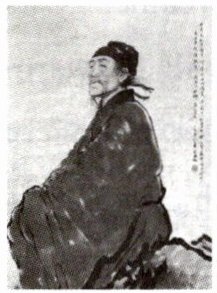
Mute, it wets everything.
Over wild lanes dark cloud spreads;
In boat a lantern looms.
Dawn sees saturated reds;
The town’s heavy with blooms.
—Translated by Xu Yuanchong
When the Tang Dynasty poet Du Fu wrote this poem, he was living in Chengdu. Sometimes he went to work in the field. The poem shows his concern for peasant farmers.
The very first word, “good”, shows the poet’s joy and love for the spring rain. The rain is good indeed, as it knows the right time to come. Here the poet uses personification (拟人) as if the rain were smart enough to know that it should come in time for peasant farmers’ busy plowing season.
The rain appears at night. Unlike the thunder and lightning of summer storms, the quiet spring rain makes its contributions without being known.
In the night sky, the clouds look dark and heavy, showing that there will be enough rain during the night. Then the poet imagines: after the rain, all of the flowers in the town will bloom tomorrow morning.
9.What’s the main idea of the poem according to the text?
A.The poet’s love for the wind.
B.The poet’s love for spring.
C.The poet’s concern for the field.
D.The poet’s concern for peasant farmers.
10.Which word can be used to describe the rain in this poem?
A.Busy. B.Quiet. C.Clean. D.Heavy.
11.Why does the poet use the word “knows” in the first line of the poem?
A.To introduce the poem.
B.To show peasant farmers’ busy work.
C.To describe the rain’s smartness.
D.To tell the right time of snow coming.
跨语文·诗歌鉴赏 (2024 河北邯郸三模)
Happy Rain on a Spring Night
Good rain knows its time right;
It will fall when comes spring.
With wind it steals in night;
Mute, it wets everything.
Over wild lanes dark cloud spreads;
In boat a lantern looms.
Dawn sees saturated reds;
The town’s heavy with blooms.
—Translated by Xu Yuanchong
When the Tang Dynasty poet Du Fu wrote this poem, he was living in Chengdu. Sometimes he went to work in the field. The poem shows his concern for peasant farmers.
The very first word, “good”, shows the poet’s joy and love for the spring rain. The rain is good indeed, as it knows the right time to come. Here the poet uses personification (拟人) as if the rain were smart enough to know that it should come in time for peasant farmers’ busy plowing season.
The rain appears at night. Unlike the thunder and lightning of summer storms, the quiet spring rain makes its contributions without being known.
In the night sky, the clouds look dark and heavy, showing that there will be enough rain during the night. Then the poet imagines: after the rain, all of the flowers in the town will bloom tomorrow morning.
9.What’s the main idea of the poem according to the text?
A.The poet’s love for the wind.
B.The poet’s love for spring.
C.The poet’s concern for the field.
D.The poet’s concern for peasant farmers.
10.Which word can be used to describe the rain in this poem?
A.Busy. B.Quiet. C.Clean. D.Heavy.
11.Why does the poet use the word “knows” in the first line of the poem?
A.To introduce the poem.
B.To show peasant farmers’ busy work.
C.To describe the rain’s smartness.
D.To tell the right time of snow coming.
答案:
D@@B@@C
查看更多完整答案,请扫码查看

