

 搜索
搜索
第48页
- 第1页
- 第2页
- 第3页
- 第4页
- 第5页
- 第6页
- 第7页
- 第8页
- 第9页
- 第10页
- 第11页
- 第12页
- 第13页
- 第14页
- 第15页
- 第16页
- 第17页
- 第18页
- 第19页
- 第20页
- 第21页
- 第22页
- 第23页
- 第24页
- 第25页
- 第26页
- 第27页
- 第28页
- 第29页
- 第30页
- 第31页
- 第32页
- 第33页
- 第34页
- 第35页
- 第36页
- 第37页
- 第38页
- 第39页
- 第40页
- 第41页
- 第42页
- 第43页
- 第44页
- 第45页
- 第46页
- 第47页
- 第48页
- 第49页
- 第50页
- 第51页
- 第52页
- 第53页
- 第54页
- 第55页
- 第56页
- 第57页
- 第58页
- 第59页
- 第60页
- 第61页
- 第62页
- 第63页
- 第64页
- 第65页
- 第66页
- 第67页
- 第68页
- 第69页
- 第70页
- 第71页
- 第72页
- 第73页
- 第74页
- 第75页
- 第76页
- 第77页
- 第78页
- 第79页
- 第80页
- 第81页
- 第82页
- 第83页
- 第84页
- 第85页
- 第86页
- 第87页
- 第88页
- 第89页
- 第90页
- 第91页
- 第92页
- 第93页
- 第94页
- 第95页
- 第96页
- 第97页
- 第98页
- 第99页
- 第100页
- 第101页
- 第102页
- 第103页
- 第104页
- 第105页
- 第106页
- 第107页
- 第108页
- 第109页
- 第110页
- 第111页
- 第112页
- 第113页
- 第114页
- 第115页
- 第116页
- 第117页
- 第118页
- 第119页
- 第120页
- 第121页
- 第122页
- 第123页
- 第124页
- 第125页
- 第126页
- 第127页
- 第128页
- 第129页
- 第130页
- 第131页
- 第132页
- 第133页
- 第134页
- 第135页
- 第136页
D(2025·杭州余杭)
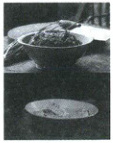
Most food documentaries(纪录片) in China are about popular restaurants in big cities. However, director Wang Shengzhi chooses a different way—he turns his camera to people’s kitchens in small villages in the countryside.
Filmed by Wang, food documentary Taste of Home was broadcast(播出) on Fujian’s Southeast TV on April 7. Each episode(一集) introduces two dishes from local families in two villages. People can follow the food preparation and cooking while learning the stories of the families and the food. Wang says that the purpose of this part is to take the viewers on a trip back to their hometown.
Most of the dishes that appear in the documentary use ingredients(原料) from the cooks’ own fields or yards. Wang knows that living in the city, people know little about where the food comes from. “In this documentary, I want to show the sources of all ingredients, whether it’s the pigs kept by those in the show, or the vegetables grown in their fields,” he says.
Unlike filming restaurant owners or good cooks who are easier to find, Wang and his team had to work hard to find common people for their documentary. ________ They always said, “I’m not a good cook. Why would you like to film me?”
“The documentary shows a feeling of family,” Wang says. “The theme of it is not about heroes but common people.”
( )27. What can we learn from Taste of Home?
A. cooking ways B. travelling tips
C. family stories D. local dishes
A. ①②③ B. ②③④ C. ①③④ D. ①②④
( )28. Which question is answered in the third paragraph?
A. How can we make traditional food?
B. Where can we buy fresh ingredients?
C. How should we choose food ingredients?
D. Where are the ingredients in the show from?
( )29. Which of the following can be put in “________”?
A. The interviewees were great cooks.
B. And the chosen people were often surprised.
C. The chosen ones always proudly showed their cooking skills.
D. Most of the villagers were glad to offer their homemade dishes.
( )30. What’s the main difference between Taste of Home and other food documentaries?
A. It films very good cooks.
B. It shows more cooking skills.
C. It is about common people.
D. It uses special filming methods.
Most food documentaries(纪录片) in China are about popular restaurants in big cities. However, director Wang Shengzhi chooses a different way—he turns his camera to people’s kitchens in small villages in the countryside.
Filmed by Wang, food documentary Taste of Home was broadcast(播出) on Fujian’s Southeast TV on April 7. Each episode(一集) introduces two dishes from local families in two villages. People can follow the food preparation and cooking while learning the stories of the families and the food. Wang says that the purpose of this part is to take the viewers on a trip back to their hometown.
Most of the dishes that appear in the documentary use ingredients(原料) from the cooks’ own fields or yards. Wang knows that living in the city, people know little about where the food comes from. “In this documentary, I want to show the sources of all ingredients, whether it’s the pigs kept by those in the show, or the vegetables grown in their fields,” he says.
Unlike filming restaurant owners or good cooks who are easier to find, Wang and his team had to work hard to find common people for their documentary. ________ They always said, “I’m not a good cook. Why would you like to film me?”
“The documentary shows a feeling of family,” Wang says. “The theme of it is not about heroes but common people.”
( )27. What can we learn from Taste of Home?
A. cooking ways B. travelling tips
C. family stories D. local dishes
A. ①②③ B. ②③④ C. ①③④ D. ①②④
( )28. Which question is answered in the third paragraph?
A. How can we make traditional food?
B. Where can we buy fresh ingredients?
C. How should we choose food ingredients?
D. Where are the ingredients in the show from?
( )29. Which of the following can be put in “________”?
A. The interviewees were great cooks.
B. And the chosen people were often surprised.
C. The chosen ones always proudly showed their cooking skills.
D. Most of the villagers were glad to offer their homemade dishes.
( )30. What’s the main difference between Taste of Home and other food documentaries?
A. It films very good cooks.
B. It shows more cooking skills.
C. It is about common people.
D. It uses special filming methods.
答案:
27—30 CDBC
查看更多完整答案,请扫码查看

