

 搜索
搜索
第127页
- 第1页
- 第2页
- 第3页
- 第4页
- 第5页
- 第6页
- 第7页
- 第8页
- 第9页
- 第10页
- 第11页
- 第12页
- 第13页
- 第14页
- 第15页
- 第16页
- 第17页
- 第18页
- 第19页
- 第20页
- 第21页
- 第22页
- 第23页
- 第24页
- 第25页
- 第26页
- 第27页
- 第28页
- 第29页
- 第30页
- 第31页
- 第32页
- 第33页
- 第34页
- 第35页
- 第36页
- 第37页
- 第38页
- 第39页
- 第40页
- 第41页
- 第42页
- 第43页
- 第44页
- 第45页
- 第46页
- 第47页
- 第48页
- 第49页
- 第50页
- 第51页
- 第52页
- 第53页
- 第54页
- 第55页
- 第56页
- 第57页
- 第58页
- 第59页
- 第60页
- 第61页
- 第62页
- 第63页
- 第64页
- 第65页
- 第66页
- 第67页
- 第68页
- 第69页
- 第70页
- 第71页
- 第72页
- 第73页
- 第74页
- 第75页
- 第76页
- 第77页
- 第78页
- 第79页
- 第80页
- 第81页
- 第82页
- 第83页
- 第84页
- 第85页
- 第86页
- 第87页
- 第88页
- 第89页
- 第90页
- 第91页
- 第92页
- 第93页
- 第94页
- 第95页
- 第96页
- 第97页
- 第98页
- 第99页
- 第100页
- 第101页
- 第102页
- 第103页
- 第104页
- 第105页
- 第106页
- 第107页
- 第108页
- 第109页
- 第110页
- 第111页
- 第112页
- 第113页
- 第114页
- 第115页
- 第116页
- 第117页
- 第118页
- 第119页
- 第120页
- 第121页
- 第122页
- 第123页
- 第124页
- 第125页
- 第126页
- 第127页
- 第128页
- 第129页
- 第130页
- 第131页
- 第132页
- 第133页
- 第134页
- 第135页
- 第136页
D
It is reported that Yu Hua appears on The Paris Review(《巴黎评论》). This is the first time that a Chinese writer showed up in the famous magazine.
Yu Hua was born in April 3, 1960. He's from Zhejiang Province. Yu is a great modern Chinese writer. His novels have a cold style. But they often talk about deep and realistic(现实的) themes, such as the meaning of life and death.
His writings show true village life and the troubles of normal people. But his characters never lose hope or their love for life. For example, one of his famous novels To Live(《活着》) published in 1992 tells a story about Xu Fugui who faces endless difficulties but still tries his best to live on anyway.
Although Yu's stories often have bad endings, Yu is fun in real life. Some people asked him why he went from being a doctor to a writer. He said that when he was young, he dreamed to find a job where he could never be disturbed(打扰) by an alarm clock.
Lots of young readers like Yu a lot. “Yu learns about today's popular culture. He knows he is called a ‘scruffy(潦草的) little dog’ because of his careless appearance and he's still happy about the fun nickname(绰号). He sees it as a way for young people to know about a writer,” said Wang Xingyue, a high school student from Hangzhou and a big fan of Yu.
( )37. Which of the following is TRUE about Yu Hua's novels?
A. They are warm and enjoyable.
B. They often have happy endings.
C. They show normal people's city lives.
D. They discuss deep and realistic themes.
( )38. The writer tells us ______ in the passage.
①when Yu Hua was born
②what Yu Hua's novels are like
③when Yu Hua began to write novels
④why Yu Hua decided to be a writer
A. ①②③
B. ②③④
C. ①②④
D. ①③④
( )39. What can we learn from Wang Xingyue's words?
A. Yu Hua cares much about his look.
B. Yu Hua doesn't like his nickname.
C. Yu Hua is popular with young readers.
D. Yu Hua can't accept the popular culture.
( )40. What is the purpose(目的) of writing the passage?
A. To tell readers not to lose hope or love.
B. To ask readers to read the novel To Live.
C. To show readers how to become a writer.
D. To introduce Yu Hua and his writing style.
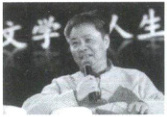
It is reported that Yu Hua appears on The Paris Review(《巴黎评论》). This is the first time that a Chinese writer showed up in the famous magazine.
Yu Hua was born in April 3, 1960. He's from Zhejiang Province. Yu is a great modern Chinese writer. His novels have a cold style. But they often talk about deep and realistic(现实的) themes, such as the meaning of life and death.
His writings show true village life and the troubles of normal people. But his characters never lose hope or their love for life. For example, one of his famous novels To Live(《活着》) published in 1992 tells a story about Xu Fugui who faces endless difficulties but still tries his best to live on anyway.
Although Yu's stories often have bad endings, Yu is fun in real life. Some people asked him why he went from being a doctor to a writer. He said that when he was young, he dreamed to find a job where he could never be disturbed(打扰) by an alarm clock.
Lots of young readers like Yu a lot. “Yu learns about today's popular culture. He knows he is called a ‘scruffy(潦草的) little dog’ because of his careless appearance and he's still happy about the fun nickname(绰号). He sees it as a way for young people to know about a writer,” said Wang Xingyue, a high school student from Hangzhou and a big fan of Yu.
( )37. Which of the following is TRUE about Yu Hua's novels?
A. They are warm and enjoyable.
B. They often have happy endings.
C. They show normal people's city lives.
D. They discuss deep and realistic themes.
( )38. The writer tells us ______ in the passage.
①when Yu Hua was born
②what Yu Hua's novels are like
③when Yu Hua began to write novels
④why Yu Hua decided to be a writer
A. ①②③
B. ②③④
C. ①②④
D. ①③④
( )39. What can we learn from Wang Xingyue's words?
A. Yu Hua cares much about his look.
B. Yu Hua doesn't like his nickname.
C. Yu Hua is popular with young readers.
D. Yu Hua can't accept the popular culture.
( )40. What is the purpose(目的) of writing the passage?
A. To tell readers not to lose hope or love.
B. To ask readers to read the novel To Live.
C. To show readers how to become a writer.
D. To introduce Yu Hua and his writing style.
答案:
37.D 38.C 39.C 40.D
查看更多完整答案,请扫码查看

