

 搜索
搜索
第61页
- 第1页
- 第2页
- 第3页
- 第4页
- 第5页
- 第6页
- 第7页
- 第8页
- 第9页
- 第10页
- 第11页
- 第12页
- 第13页
- 第14页
- 第15页
- 第16页
- 第17页
- 第18页
- 第19页
- 第20页
- 第21页
- 第22页
- 第23页
- 第24页
- 第25页
- 第26页
- 第27页
- 第28页
- 第29页
- 第30页
- 第31页
- 第32页
- 第33页
- 第34页
- 第35页
- 第36页
- 第37页
- 第38页
- 第39页
- 第40页
- 第41页
- 第42页
- 第43页
- 第44页
- 第45页
- 第46页
- 第47页
- 第48页
- 第49页
- 第50页
- 第51页
- 第52页
- 第53页
- 第54页
- 第55页
- 第56页
- 第57页
- 第58页
- 第59页
- 第60页
- 第61页
- 第62页
- 第63页
- 第64页
- 第65页
- 第66页
- 第67页
- 第68页
选出与句中画线单词同类的一项。
( )1. Spring is full of life. A. falling B. sunny C. summer
( )2. I can wear my new T-shirt. A. kite B. dress C. leaf
( )3. These gloves are Amy's. A. songs B. games C. socks
( )4. Let's make a snowman together. A. then B. fly C. mooncake
( )5. I like the orange leaves. A. grass B. walk C. shirt
( )1. Spring is full of life. A. falling B. sunny C. summer
( )2. I can wear my new T-shirt. A. kite B. dress C. leaf
( )3. These gloves are Amy's. A. songs B. games C. socks
( )4. Let's make a snowman together. A. then B. fly C. mooncake
( )5. I like the orange leaves. A. grass B. walk C. shirt
答案:
1. C 2. B 3. C 4. B 5. A
新趋势 生活运用 联系生活实际,判断下列句子正(T)误(F)。
( )1. We can take a walk in the park on a rainy day.
( )2. People can wear sweaters and coats in winter.
( )3. The days are short in summer.
( )4. People can see the falling leaves in autumn.
( )5. It's summer now. Then spring comes again.
( )1. We can take a walk in the park on a rainy day.
( )2. People can wear sweaters and coats in winter.
( )3. The days are short in summer.
( )4. People can see the falling leaves in autumn.
( )5. It's summer now. Then spring comes again.
答案:
1. F 【点拨】题干意为:下雨天我们可以在公园里散步。下雨天通常不适合在公园散步,题干与生活实际不符,故填F。
2. T 【点拨】题干意为:冬天人们可以穿毛衣和大衣。毛衣和大衣是冬季常见的保暖衣物,题干与生活实际相符,故填T。
3. F 【点拨】题干意为:夏天白昼很短。夏季白昼长、黑夜短,题干与生活实际不符,故填F。
4. T 【点拨】题干意为:人们在秋天可以看到落叶。树叶凋落是秋季的典型自然现象,题干与生活实际相符,故填T。
5. F 【点拨】题干意为:现在是夏天。然后春天再次来临。季节顺序为:春→夏→秋→冬。夏季后是秋季而非春季,题干与生活实际不符,故填F。
2. T 【点拨】题干意为:冬天人们可以穿毛衣和大衣。毛衣和大衣是冬季常见的保暖衣物,题干与生活实际相符,故填T。
3. F 【点拨】题干意为:夏天白昼很短。夏季白昼长、黑夜短,题干与生活实际不符,故填F。
4. T 【点拨】题干意为:人们在秋天可以看到落叶。树叶凋落是秋季的典型自然现象,题干与生活实际相符,故填T。
5. F 【点拨】题干意为:现在是夏天。然后春天再次来临。季节顺序为:春→夏→秋→冬。夏季后是秋季而非春季,题干与生活实际不符,故填F。
阅读歌谣,按要求完成下列任务。
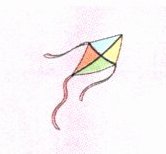
Spring is colourful. It's warm and sunny. Come and 1. ______.
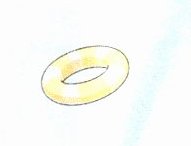
2. ______ is blue. The weather is 3. ______. Swimming is so cool!
4. ______ is orange. The weather is cool for wearing shirts. I like the falling leaves.
Winter is white. It's snowy and cold. Let's 5. ______ together!
任务一:根据上下文及图片提示,补全歌谣。(注意大小写)
hot autumn summer fly a kite make a snowman
任务二:给歌谣问号处选择相符的配图。6. ______
A. B. C. D.

Spring is colourful. It's warm and sunny. Come and 1. ______.
2. ______ is blue. The weather is 3. ______. Swimming is so cool!
4. ______ is orange. The weather is cool for wearing shirts. I like the falling leaves.
Winter is white. It's snowy and cold. Let's 5. ______ together!
任务一:根据上下文及图片提示,补全歌谣。(注意大小写)
hot autumn summer fly a kite make a snowman
任务二:给歌谣问号处选择相符的配图。6. ______
A. B. C. D.
答案:
任务一:
1. fly a kite 【点拨】根据第一段歌谣中“Spring is... warm and sunny(春天……温暖且阳光充足).”并结合图片提示(风筝图)可知,春天适合放风筝,故填 fly a kite。
2. Summer 【点拨】第二段歌谣中“Swimming is so cool(游泳很凉爽).”说明天气炎热,结合图片提示(泳圈图),对应季节应为夏季,且该词位于句首,故填Summer。
3. hot 【点拨】由第2小题可知季节为夏季,故填hot。
4. Autumn 【点拨】第三段歌谣最后一句“I like the falling leaves(我喜欢落叶).”对应秋天特征,且该词位于句首,故填Autumn。
5. make a snowman 【点拨】根据第四段歌谣中“Winter is... snowy and cold(冬天……多雪且寒冷).”并结合图片提示(雪人图)可知,本句应是在提议堆雪人,故填 make a snowman。
任务二:
6. D 【点拨】第三段歌谣中“the falling leaves(落叶)”明确指向秋天场景,与选项D秋天落叶场景符合,故选D。
1. fly a kite 【点拨】根据第一段歌谣中“Spring is... warm and sunny(春天……温暖且阳光充足).”并结合图片提示(风筝图)可知,春天适合放风筝,故填 fly a kite。
2. Summer 【点拨】第二段歌谣中“Swimming is so cool(游泳很凉爽).”说明天气炎热,结合图片提示(泳圈图),对应季节应为夏季,且该词位于句首,故填Summer。
3. hot 【点拨】由第2小题可知季节为夏季,故填hot。
4. Autumn 【点拨】第三段歌谣最后一句“I like the falling leaves(我喜欢落叶).”对应秋天特征,且该词位于句首,故填Autumn。
5. make a snowman 【点拨】根据第四段歌谣中“Winter is... snowy and cold(冬天……多雪且寒冷).”并结合图片提示(雪人图)可知,本句应是在提议堆雪人,故填 make a snowman。
任务二:
6. D 【点拨】第三段歌谣中“the falling leaves(落叶)”明确指向秋天场景,与选项D秋天落叶场景符合,故选D。
查看更多完整答案,请扫码查看

