

 搜索
搜索
第19页
- 第2页
- 第3页
- 第4页
- 第5页
- 第6页
- 第7页
- 第8页
- 第9页
- 第10页
- 第11页
- 第12页
- 第13页
- 第14页
- 第15页
- 第16页
- 第17页
- 第18页
- 第19页
- 第20页
- 第21页
- 第22页
- 第23页
- 第24页
- 第25页
- 第26页
- 第27页
- 第28页
- 第29页
- 第30页
- 第31页
- 第32页
- 第33页
- 第34页
- 第35页
- 第36页
- 第37页
- 第38页
- 第39页
- 第40页
- 第41页
- 第42页
- 第43页
- 第44页
- 第45页
- 第46页
- 第47页
- 第48页
- 第49页
- 第50页
- 第51页
- 第52页
- 第53页
- 第54页
- 第55页
- 第56页
- 第57页
- 第58页
- 第59页
- 第60页
- 第61页
- 第62页
- 第63页
- 第64页
- 第65页
- 第66页
- 第67页
- 第68页
- 第69页
- 第70页
- 第71页
- 第72页
- 第73页
- 第74页
- 第75页
- 第76页
- 第77页
- 第78页
- 第79页
- 第80页
- 第81页
- 第82页
- 第83页
- 第84页
- 第85页
- 第86页
- 第87页
- 第88页
B
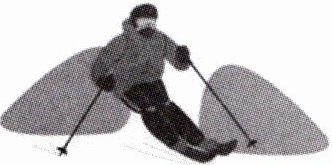
I had been skiing since childhood. I had hardly fallen. I had never crashed(碰撞)into anything,and I'd skied mostly on the "blue" trails — the ones for intermediate(中等的)skiers. For this season,I decided to take a blue run;one I had done many times before. But whenever I reached the top,I started to slow down. Why did the blues look so... vertical(垂直的)?Were they always like this?
Simply having skied "many times before" didn't mean I was getting better at it. Practice doesn't always make perfect. Getting better or learning means doing different types of tasks instead of making the same mistake. With skiing,rather than just doing that same "blue" over and over again,we should go to different hills,trying different trails. The joy of getting better comes after the pain of getting worse.
One afternoon,I met a ski coach named Bob. When I told him my problem,he offered to watch me practise once to see what I was doing wrong. Bob told me that the learning process isn't always an upward improvement. When babies first learn to talk,they do it by copying adults. As they learn to talk about something in the past,they add an "-ed" to the end of a word. They might say something like,"We goed to the library today." Though that's not correct in grammar,the baby progressed from copying to using one of the rules of grammar. Adults do this too.
Bob skied with me a bit more,until I had completed enough turns to make him feel like his volunteer-coach time wasn't wasted.
"You're skiing better already,young man!" he said.
"Thank you!" Then I skied a few more feet and fell.
(
A. Calm.
B. Confident.
C. Careless.
D. Afraid.
(
A. To show that practice doesn't always make perfect.
B. To show that learning always takes time and trouble.
C. To show that people make progress by making mistakes.
D. To show that adults should sometimes learn from babies.
(
A. The writer would try to go on skiing.
B. The writer had no chance of winning.
C. The writer wanted to stop and gave up.
D. The writer might become a ski coach.
(
A. Strict.
B. Humorous.
C. Kind.
D. Different.
词汇拓展
不知你是否记住了画波浪线的单词?请再复习一遍并收入你的小词典!
目标______
I had been skiing since childhood. I had hardly fallen. I had never crashed(碰撞)into anything,and I'd skied mostly on the "blue" trails — the ones for intermediate(中等的)skiers. For this season,I decided to take a blue run;one I had done many times before. But whenever I reached the top,I started to slow down. Why did the blues look so... vertical(垂直的)?Were they always like this?
Simply having skied "many times before" didn't mean I was getting better at it. Practice doesn't always make perfect. Getting better or learning means doing different types of tasks instead of making the same mistake. With skiing,rather than just doing that same "blue" over and over again,we should go to different hills,trying different trails. The joy of getting better comes after the pain of getting worse.
One afternoon,I met a ski coach named Bob. When I told him my problem,he offered to watch me practise once to see what I was doing wrong. Bob told me that the learning process isn't always an upward improvement. When babies first learn to talk,they do it by copying adults. As they learn to talk about something in the past,they add an "-ed" to the end of a word. They might say something like,"We goed to the library today." Though that's not correct in grammar,the baby progressed from copying to using one of the rules of grammar. Adults do this too.
Bob skied with me a bit more,until I had completed enough turns to make him feel like his volunteer-coach time wasn't wasted.
"You're skiing better already,young man!" he said.
"Thank you!" Then I skied a few more feet and fell.
(
D
)5. How did the writer feel when he reached the top in Paragraph 1?A. Calm.
B. Confident.
C. Careless.
D. Afraid.
(
C
)6. Why did Bob talk about "babies learning to talk"?A. To show that practice doesn't always make perfect.
B. To show that learning always takes time and trouble.
C. To show that people make progress by making mistakes.
D. To show that adults should sometimes learn from babies.
(
A
)7. What can we infer from the last paragraph?A. The writer would try to go on skiing.
B. The writer had no chance of winning.
C. The writer wanted to stop and gave up.
D. The writer might become a ski coach.
(
C
)8. Which of the following can best describe Bob?A. Strict.
B. Humorous.
C. Kind.
D. Different.
词汇拓展
不知你是否记住了画波浪线的单词?请再复习一遍并收入你的小词典!
目标______
答案:
5.D 6.C 7.A 8.C
词汇拓展 goal
词汇拓展 goal
查看更多完整答案,请扫码查看

